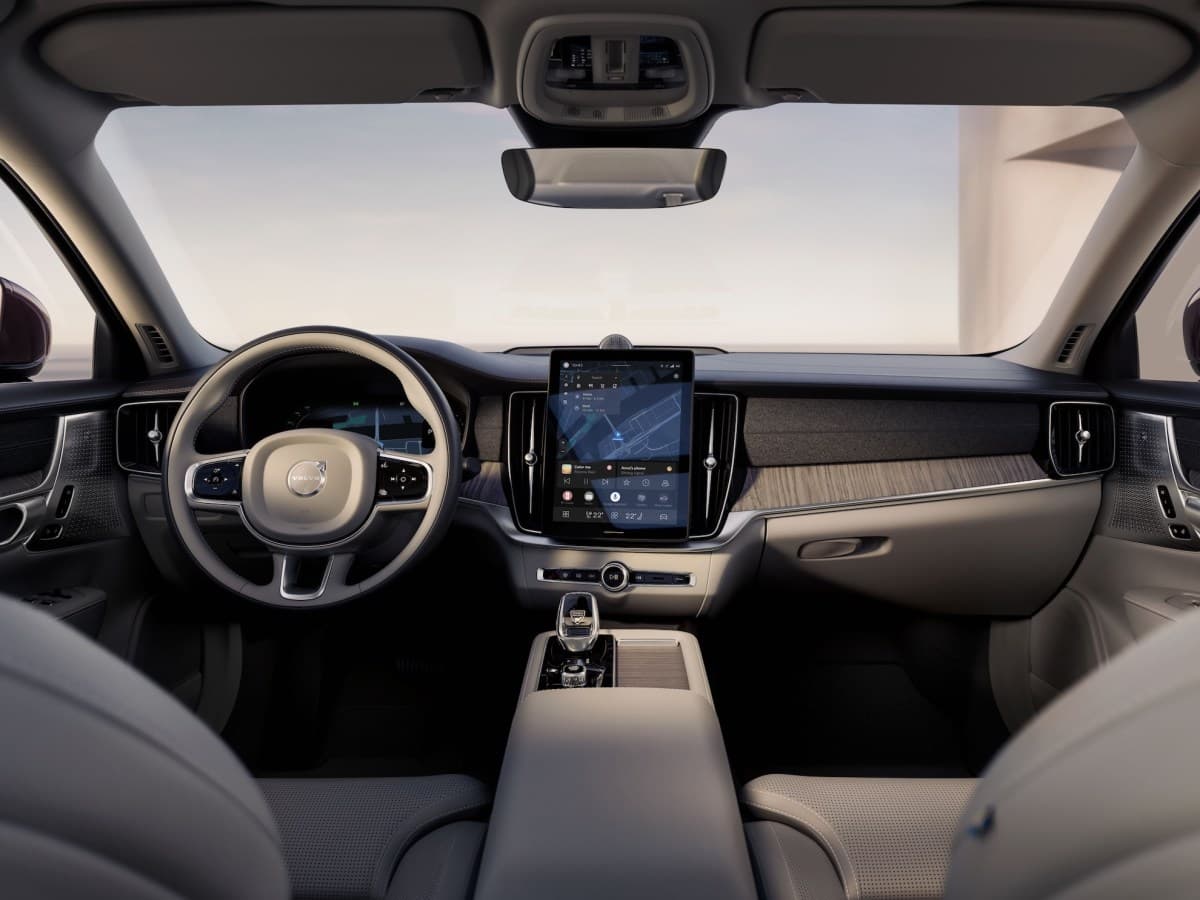
Volvo can move forward with selling connected cars in the United States after receiving approval from the Trump administration. The decision removes a major hurdle for the automaker, which is majority owned by China's Geely Holdings.
Volvo said the green light allows it to proceed with expansion plans at its South Carolina factory. The plant, located near Charleston, has been central to Volvo's U.S. growth strategy.
The National Security Question
Connected cars collect and transmit data, raising concerns about foreign access to sensitive information. The Trump administration has scrutinized Chinese owned companies operating in the U.S. tech and automotive sectors. Volvo's ownership by Geely put its connected car operations under review.
By granting permission, the administration signaled that Volvo's data handling practices met federal requirements. The approval covers both current and future connected car models sold in the U.S. market.
Why This Matters
The decision affects thousands of American consumers who own or plan to buy Volvos. It also sets a precedent for other foreign owned automakers with Chinese backing. Companies like Lotus and Polestar, which also have ties to Chinese automakers, will watch the outcome closely.
Volvo's factory expansion in South Carolina is expected to create hundreds of jobs. The plant produces the S60 sedan and plans to add electric vehicle production. Without the connected car approval, those plans faced uncertainty.
For the broader automotive industry, the ruling highlights the growing tension between trade policy and technology integration. Automakers increasingly rely on connected features such as over the air updates and real time navigation. Any restriction on those features could reshape vehicle design and consumer appeal.
What Comes Next
Volvo has committed to complying with U.S. data security standards going forward. The company will also continue to invest in its American operations, including research and development for connected vehicle technology.
The approval does not eliminate all regulatory risk. Future administrations could revisit the terms, especially if trade relations between the U.S. and China shift. For now, Volvo has the clarity it needed to keep its U.S. plans on track.