Senior Editor: Alan Agbele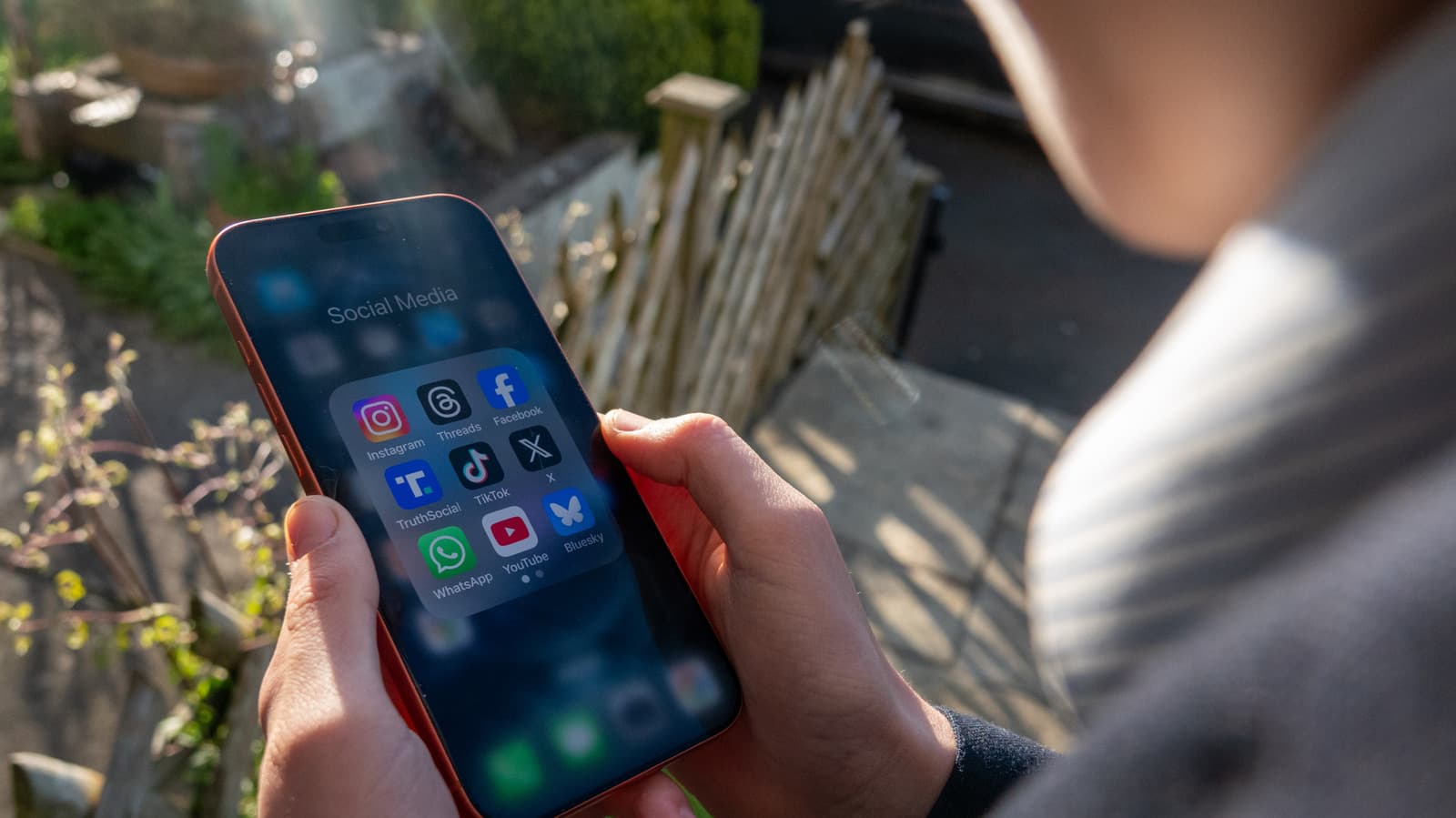
Malaysia has enacted a sweeping ban on social media access for children under the age of 16, imposing fines of up to $2.5 million on companies that fail to comply. The law, which took effect this week, targets major platforms used by young users.
Strict penalties for non-compliance
Companies that allow underage users to create accounts face significant financial penalties. The government framed the measure as a necessary step to shield children from online predators, cyberbullying and harmful content.
Prime Minister Anwar Ibrahim backed the law as part of a broader push for digital safety. Regulators said they will monitor platforms closely and enforce the rules without leniency.
Why this matters
The ban directly affects millions of young Malaysians and their families. Parents now carry the burden of ensuring compliance at home while tech companies face costly adjustments. Critics worry the law may limit freedom of expression and access to information. Supporters argue it reduces risks like grooming and addiction.
The move sets a precedent in Southeast Asia, where few nations have taken such a hard line. Other countries may study Malaysia’s approach as they craft their own digital regulations. The law also pressures global tech firms to redesign age verification systems or risk exclusion from a growing market.
Industry reaction
Major platforms including Meta and TikTok have not issued formal statements. Industry groups warned that abrupt enforcement could disrupt services and create legal uncertainty. Some experts question whether existing age verification tools are reliable enough to meet the law's demands.
Digital rights advocates have raised concerns about privacy and censorship. They argue the law could be used to suppress dissent or punish legitimate speech. The government countered that safeguards exist to prevent abuse.
Malaysia joins a handful of countries moving toward strict online age restrictions. France and Australia have proposed similar rules but none have matched the scale of Malaysia's penalties. The outcome could influence global debates on child safety and internet governance.