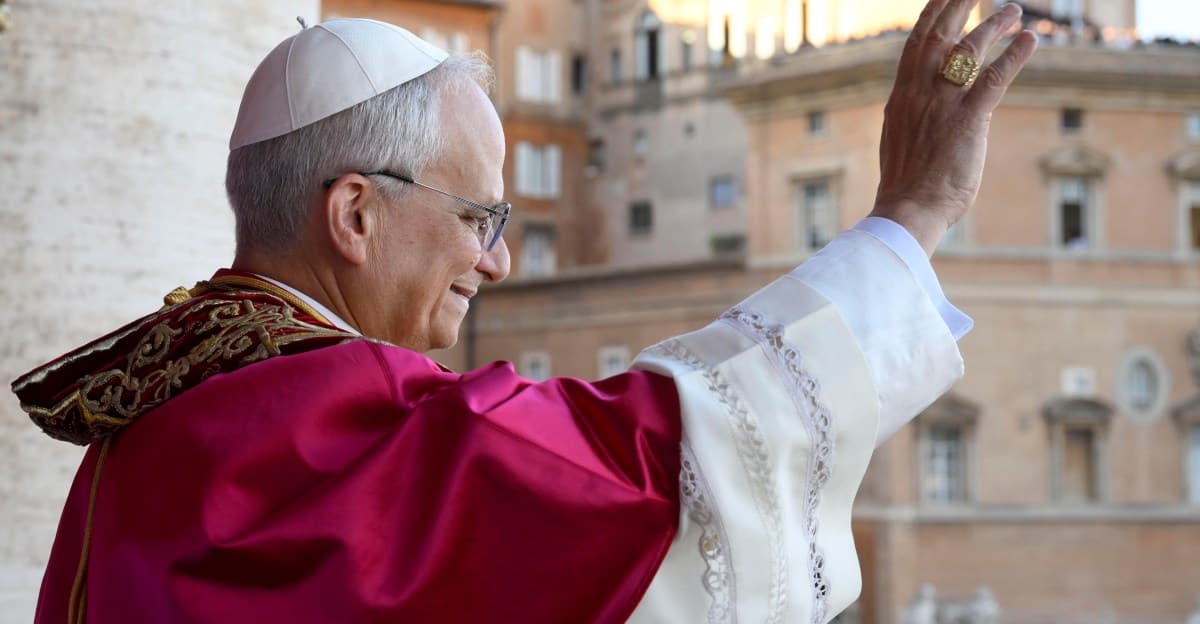
Pope Leo XIV released an encyclical letter Monday that directly confronts the rise of artificial intelligence, warning that AI systems are never neutral tools. The document, titled Magnifica Humanitas, argues that when AI shapes decisions affecting people's lives, it touches on rights, opportunities, status and freedom.
The Vatican unveiled the letter alongside Christopher Olah, cofounder and interpretability team lead at Anthropic. The partnership between the Catholic Church and a leading AI company signals a new effort to embed ethical guardrails into the technology's development.
A Sharp Warning on AI’s Reach
The encyclical states that the use of AI is never a purely technical matter. It warns that automated systems can entrench inequality, limit personal agency and erode human dignity if left unchecked. The letter calls for transparency, accountability and a focus on human well-being in AI design.
This marks one of the strongest institutional critiques of AI from a major religious body. The Vatican has previously engaged with technology ethics, but the explicit partnership with Anthropic gives the message added weight in Silicon Valley.
Why This Matters
The encyclical directly challenges the prevailing narrative among many tech leaders that AI progress is inevitable and should be driven by market forces. For developers, policymakers and investors, the Vatican's stance adds a moral dimension to ongoing debates about regulation. It also puts pressure on companies to demonstrate that their AI systems respect human rights, not just optimize for engagement or profit.
Millions of Catholics worldwide look to the Vatican for guidance on moral questions. The letter could influence consumer attitudes, corporate ethics policies and even future legislation.
Tech Industry Reacts
Reactions from the tech community were mixed. Some praised the Vatican for taking a thoughtful, measured position that aligns with calls for responsible AI development. Others criticized the involvement of a major AI lab like Anthropic, arguing the church risks legitimizing companies that have their own commercial interests.
The encyclical explicitly avoids endorsing any single company or technology. Instead it urges all stakeholders to consider the broader social impact of AI, especially on vulnerable populations.
Observers note that the timing of the letter, coming amid rapid advances in generative AI and autonomous systems, gives it particular resonance. The Vatican has effectively inserted itself into one of the most consequential policy conversations of the decade.