Editor: Porcia Akua Holmes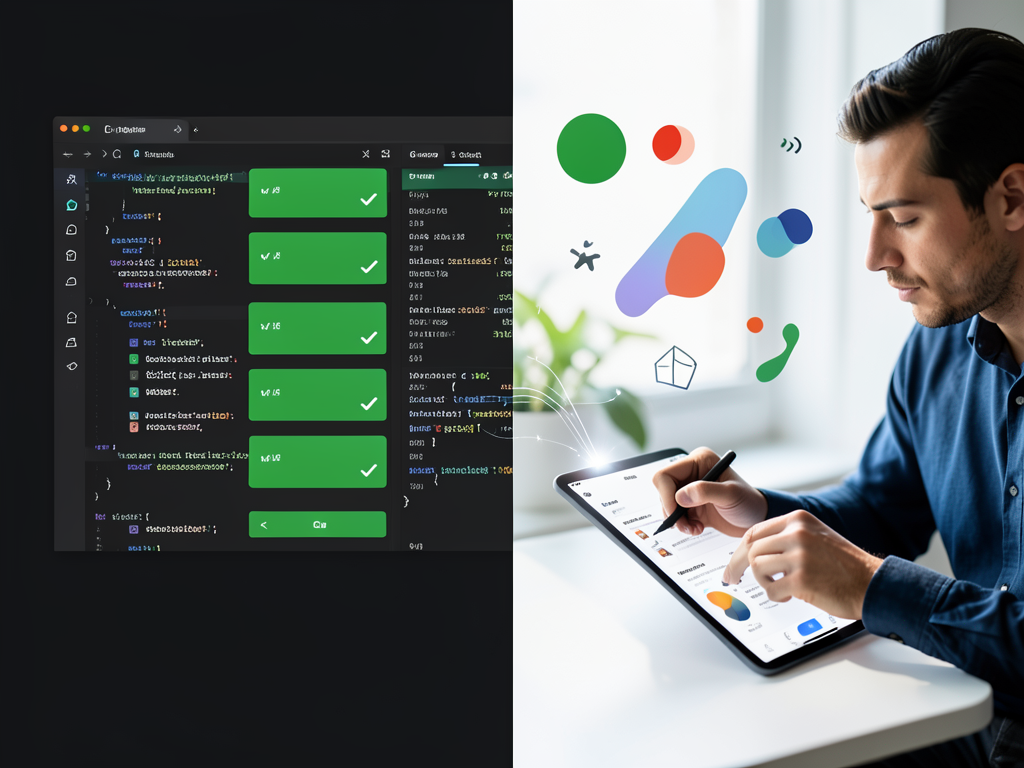
In a recent discussion on Hacker News, software developers confronted a long-standing tension in the industry: the limits of automated testing. The thread, sparked by the statement "You can't unit test for taste," zeroes in on a fundamental blind spot in modern development practices. While unit tests ensure code works correctly, they cannot evaluate whether a product feels right, looks good or delivers a satisfying user experience.
The Subjective Gap in Automated Testing
Unit tests excel at verifying logic, catching regressions and enforcing contracts. They are objective by design. But software quality extends beyond correctness. Design choices, interaction patterns and visual polish resist quantification. Developers on Hacker News pointed out that no test suite can assess an interface's elegance or a feature's intuitive flow. This gap between objective verification and subjective judgment remains a persistent challenge for engineering teams.
How Teams Address the Taste Problem
Organizations typically rely on code reviews, design critiques and user testing to fill the void. These processes, however, are manual, slow and inconsistent. Some teams have turned to automated visual regression tools or A/B testing frameworks. Yet even these approaches only capture surface-level changes or aggregate behavior. They do not measure an intangible quality like taste.
The conversation highlighted several recurring themes:
Why This Matters
For software teams, the inability to automate taste means that product quality depends heavily on human skill and collaboration. It also affects hiring, team culture and release cycles. Developers who focus solely on test coverage may overlook the user's lived experience. As software becomes more integrated into daily life, the gap between what can be tested and what should be felt grows more consequential. The Hacker News discussion serves as a reminder that engineering excellence includes, but is not limited to, passing tests.
Balancing Objectivity and Subjectivity
The debate does not dismiss unit testing. Instead it calls for a broader definition of quality. Teams must invest in design reviews, user research and iterative feedback loops. Tools like canary releases and feature flags allow controlled exposure to real users, providing data that automated tests cannot. The ultimate lesson from the conversation is that taste, while untestable, must still be deliberate.