Editor: Porcia Akua Holmes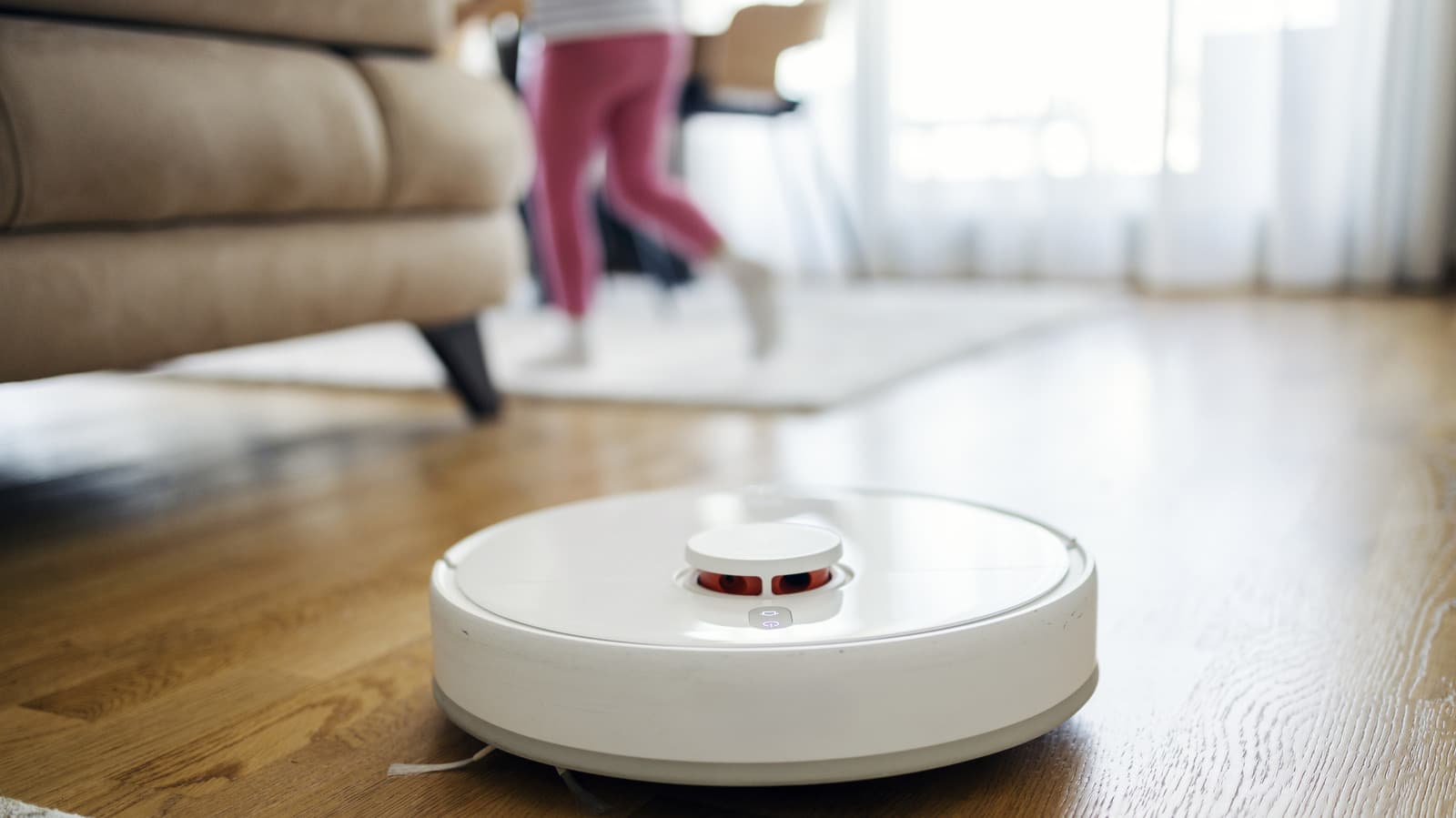
The Federal Communications Commission is preparing to restrict the sale of advanced robotic devices manufactured outside the United States, a move that directly targets the growing market for robot vacuum cleaners and other smart home appliances. The pending ban, which regulators frame as a national security measure, signals a widening of the trade and technology scrutiny that has already reshaped telecommunications equipment markets.
What the New FCC Rules Target
The regulation focuses on robotic devices equipped with sensors, microphones, cameras and wireless connectivity that could be exploited for surveillance or data collection. The FCC maintains that devices manufactured in countries deemed national security threats pose an unacceptable risk. Robot vacuum cleaners, which often use lidar mapping and transmit floor plans to cloud servers, fall directly under this scope.
Why Smart Home Devices Face Scrutiny
The ban fits a broader pattern of U.S. government action against technology from strategic rivals. The FCC previously restricted equipment from Huawei and ZTE on similar grounds. Now the focus has extended to consumer-grade robots that have become common in American households. Security researchers have demonstrated that some robot vacuum models can be hacked to stream video or access home networks, adding urgency to the regulatory push.
Industry analysts note that the timing coincides with rising geopolitical tensions and a push to secure the Internet of Things. The number of connected devices in U.S. homes has surged past 500 million, according to market estimates, creating a vast attack surface that regulators are increasingly unwilling to ignore.
What This Means for Consumers
For anyone considering a robot vacuum upgrade, the near-term outlook involves uncertainty. Brands such as Roborock, Ecovacs and Xiaomi, which manufacture primarily in China, may face barriers to selling new models in the United States. Companies like iRobot, which already produces some units domestically, could gain a competitive advantage. Prices for foreign-made models may rise as manufacturers absorb compliance costs or shift supply chains.
Owners of existing devices should not expect an immediate recall, but future firmware updates or cloud services could be affected if the FCC extends the ban to software support. Consumers should verify the origin and security certifications of any new robotic vacuum before purchasing.
Why This Matters
The FCC move represents a significant expansion of national security regulation into the consumer electronics space. It directly impacts the $30 billion global smart home industry by introducing compliance hurdles for products that were previously treated as low-risk appliances. For consumers, the ruling means that convenience may now come with a trade-off in choice and cost. For manufacturers, it forces a strategic pivot toward U.S.-based production or alternative supply chains that could take years to establish. The ban also sets a precedent that could extend to other connected devices such as smart speakers, security cameras and connected appliances, reshaping how the entire industry approaches hardware design and data sovereignty.