Senior Editor: Alan Agbele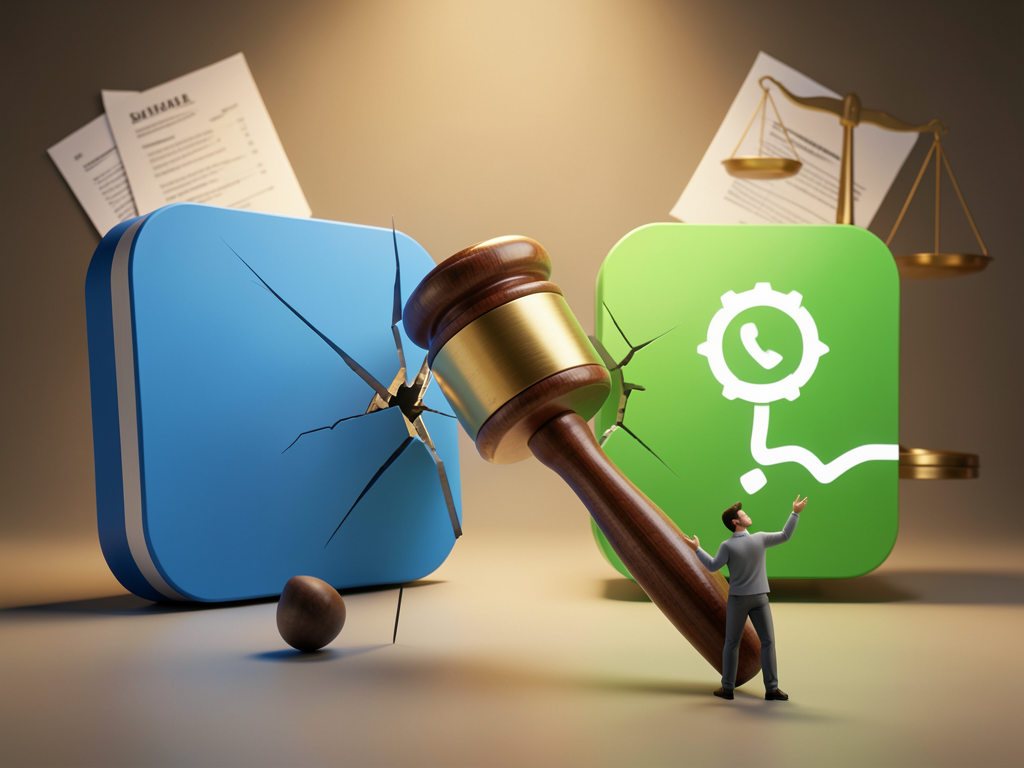
UK regulators are taking direct aim at Apple and Google's control over mobile app stores, proposing rules that would allow developers to bypass the tech giants' payment systems. The Competition and Markets Authority argues that current restrictions let down both consumers and app creators, effectively cementing an 'effective duopoly' over the mobile platform market.
The Competition Problem
Apple and Google require developers to use their proprietary payment systems for digital purchases inside apps, a practice the CMA says reduces competition and inflates costs. Developers have long complained that the mandatory commissions, often reaching 30%, leave them with thin margins. The CMA's intervention targets this core restriction, proposing that developers be allowed to inform users about cheaper alternatives outside the app stores.
Why This Matters
The UK action marks a significant escalation in the global fight over app store governance. If the CMA's proposals become law, they could set a precedent for other jurisdictions. Apple and Google's revenue from app store commissions runs into billions of dollars annually. For developers, the change could mean keeping a larger share of every sale. For consumers, lower developer costs could translate into reduced app prices. The duopoly's grip on mobile distribution, however, shows signs of cracking under the weight of international regulatory scrutiny.
Global Regulatory Momentum
The UK is not acting alone. The European Union's Digital Markets Act already imposes obligations on Apple and Google to allow alternative payment systems and app sideloading. In the United States, the Epic Games lawsuit has triggered court-ordered changes to Google's Play Store policies. These parallel efforts create a complex legal landscape for the tech giants. Each ruling chips away at the walled garden model that has defined mobile app economics for over a decade.
The CMA's next steps include a consultation period before finalizing any rules. The outcome will be closely watched by regulators, developers and investors around the world as the battle over mobile platform power continues.