Editor: Porcia Akua Holmes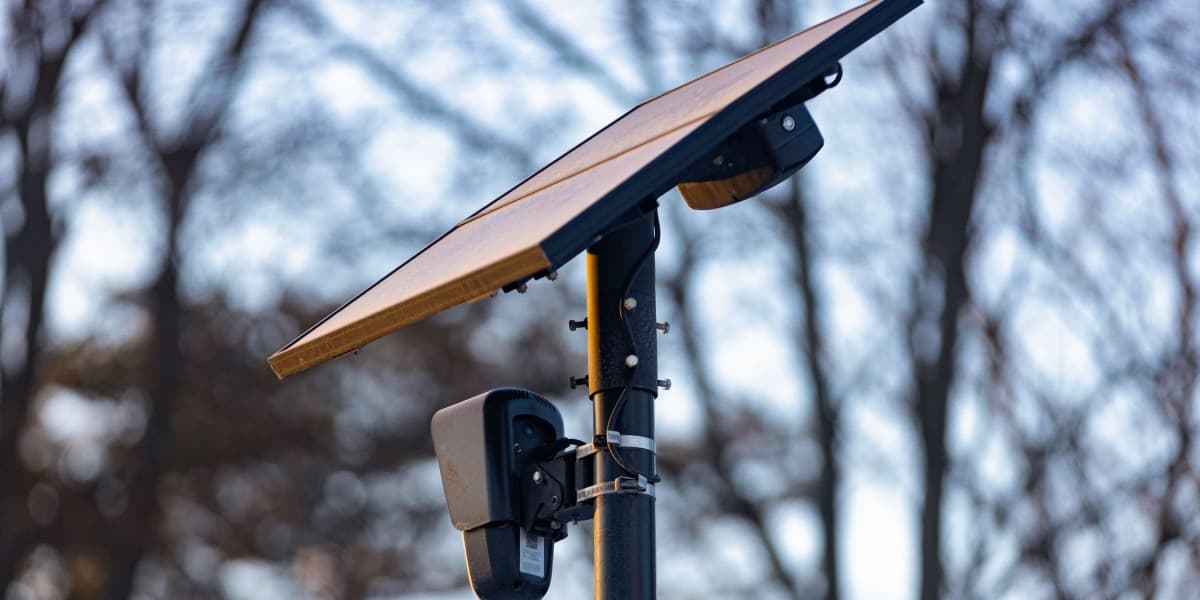
Flock Safety is tightening access to its nationwide network of license plate readers, but Flock has not convinced critics the changes go far enough. The company now requires officers to enter a criminal case number before searching location data. This rule was optional last year but is now mandatory. Because Flock does not verify those case numbers, however, civil liberties groups say the safeguard is easy to bypass.
New Requirements and Persistent Gaps
Flock is also expanding an automatic auditing system that flags suspicious search activity to administrators. This feature, introduced as an option last year, is now mandatory. But Flock has not disclosed the tool’s accuracy or opened it to independent researchers. Some departments previously mocked similar prompts: at one Oregon agency, officers entered “hehehe” 20 times when asked to state a search reason.
Backlash From All Sides
Criticism of Flock has grown across the political spectrum. Tucker Carlson has called the technology part of a “slave state.” Municipalities are moving to ban license plate readers or switching to competitors like Axon and Motorola. The activist group DeFlock puts the number of canceled contracts higher than the 30 that NPR confirmed. Flock CEO Garrett Langley has said those cancellations represent a small fraction of the 5,000 agencies still using the system.
Chad Marlow, a senior policy counsel at the ACLU, argues the backlash stems not from isolated abuses but from the erosion of privacy at scale. Marlow says officers can investigate people without a warrant simply by querying the data trove. Langley, however, traces the backlash to different root causes, including misinformation. The divide highlights a fundamental disagreement over how much surveillance is acceptable.
Why This Matters
The changes at Flock Safety reflect a broader struggle over the reach of police surveillance technology. If the company cannot demonstrate effective safeguards, more cities may turn to legislation or alternative vendors. The ACLU and groups like DeFlock are pushing for independent audits, which Flock has so far refused. With cameras in most U.S. communities, the outcome could set a precedent for how location data is accessed and protected nationwide.