Editor: Porcia Akua Holmes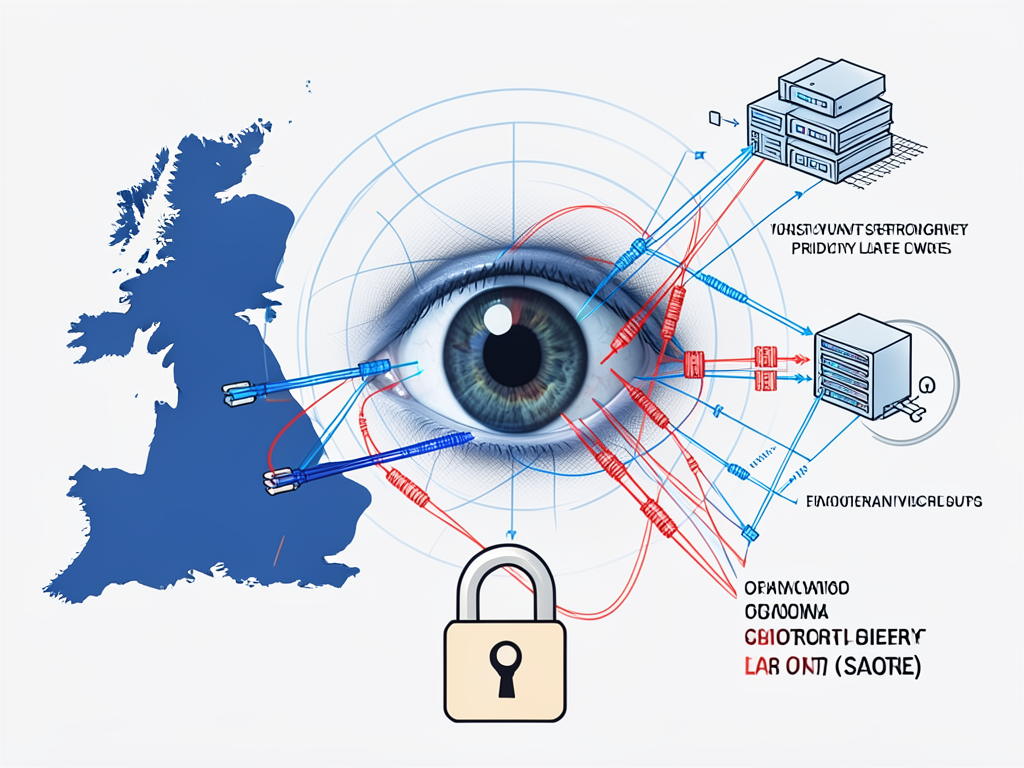
A growing number of internet users in the United Kingdom are actively routing their online traffic through servers outside the country. This shift reflects mounting anxiety over government surveillance and potential censorship under new digital laws.
The Privacy Calculus
The Investigatory Powers Act, often called the Snooper's Charter, grants authorities sweeping access to communications data. The incoming Online Safety Bill adds further layers of monitoring and content moderation. For privacy-conscious Britons, these laws create a strong incentive to obscure their online footprint. Routing traffic through nodes in jurisdictions with stronger privacy protections offers a technical workaround.
Technical Options for Offshore Routing
Users have several methods to move their data beyond UK borders. Each comes with tradeoffs in speed, security and ease of use.
Many users combine these tools with encrypted DNS services to further reduce exposure to ISP monitoring.
Why This Matters
For everyday internet users, the decision to route traffic offshore carries practical and legal implications. ISPs may throttle or block VPN connections under the new regulatory regime. Users who deliberately circumvent geoblocks could face terms of service violations from streaming platforms or other services. On a broader level, this trend signals a erosion of trust in UK digital governance. If enough users adopt offshore routing, it could prompt further government crackdowns or, conversely, a rethinking of surveillance policies.
Privacy as a Default
The move toward offshore routing is part of a larger global pattern. In countries with restrictive internet policies, citizens often turn to circumvention tools as a matter of course. The United Kingdom, long considered a democracy with strong civil liberties, now sees its own citizens adopting similar tactics. This shift suggests that privacy is no longer just a personal preference but a default expectation for many online activities. As digital surveillance tools become more sophisticated, the balance between security and privacy continues to tilt. For now, routing traffic outside the UK offers a practical, if imperfect, way for users to reclaim some control over their data.