Senior Editor: Alan Agbele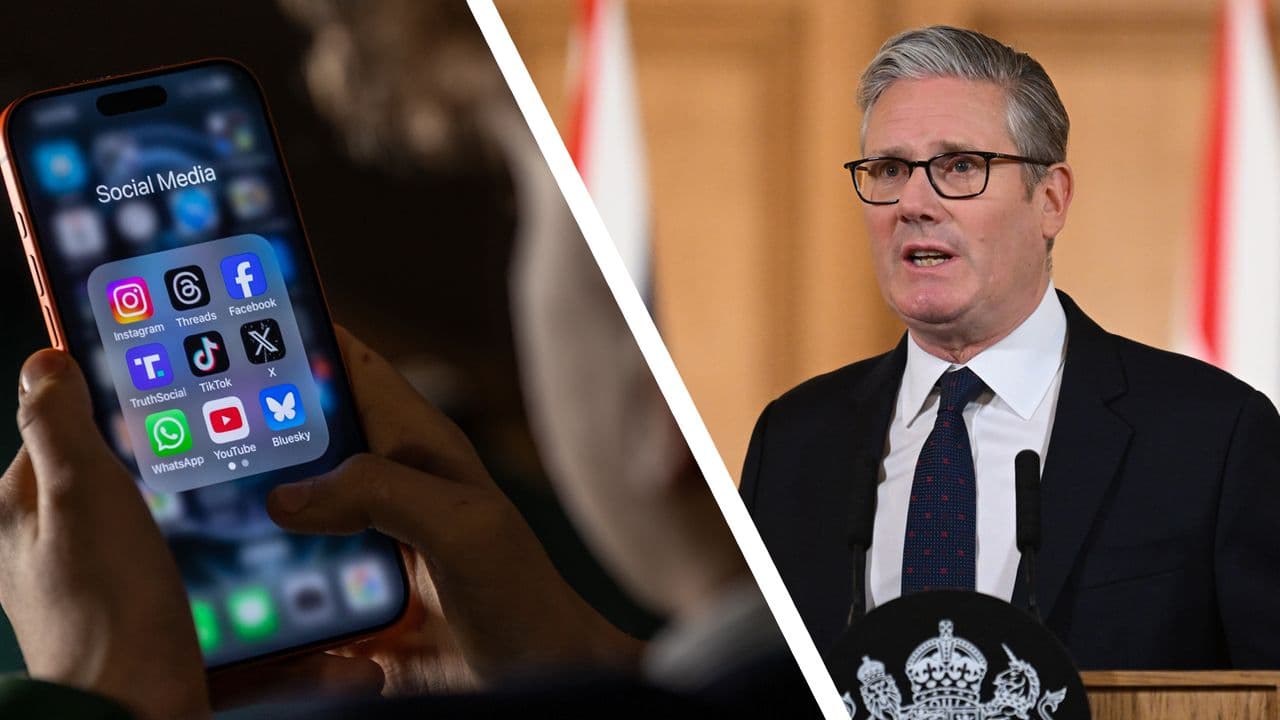
The United Kingdom has enacted a sweeping ban on social media access for children under 16, marking one of the most aggressive regulatory moves against tech platforms globally. The new law directly targets major services including Snapchat, TikTok and Instagram, requiring them to block minors or face significant penalties.
What the Ban Requires
The legislation mandates that social media companies implement age verification systems to prevent users under 16 from creating accounts or accessing platform features. Companies that fail to comply could face fines of up to 10% of their global annual revenue. The ban covers all major social networking sites, messaging apps with social features and video-sharing platforms popular among younger audiences.
Platforms must now redesign their onboarding processes to include robust age checks. This goes beyond simple self-declaration of birth dates. The law expects companies to use biometric estimation or government ID verification where necessary.
Why This Matters
This policy shift affects millions of British teenagers who rely on these platforms for communication and entertainment. Parents gain new legal backing to restrict access but also face questions about enforcement at home. For tech companies, the financial stakes are enormous: noncompliance penalties could reach billions of dollars collectively.
The broader implication is a potential domino effect across Europe and beyond. If the UK model proves enforceable, other nations may adopt similar restrictions rather than relying on voluntary industry codes of conduct.
Industry Response and Challenges
Social media firms have pushed back against the ban citing technical difficulties with accurate age verification. Privacy advocates warn that mandatory ID checks could expose children's personal data to greater risk if databases are breached.
TikTok has already introduced limited parental controls in response but faces pressure to implement full blocking for under-16 users in the UK market. Snapchat's disappearing message feature presents unique enforcement challenges since content cannot be retrospectively reviewed by moderators.
A Global Precedent
The UK joins Australia which passed similar legislation last year along with several US states considering comparable measures. Unlike earlier approaches that focused on content moderation after posting this law shifts responsibility upstream by preventing access entirely.
Critics argue the blanket ban ignores nuanced differences between platforms: educational tools like YouTube Kids versus purely recreational apps like Instagram Reels. Supporters counter that any exposure carries risks given algorithmic amplification of harmful material regardless of platform type.