Senior Editor: Alan Agbele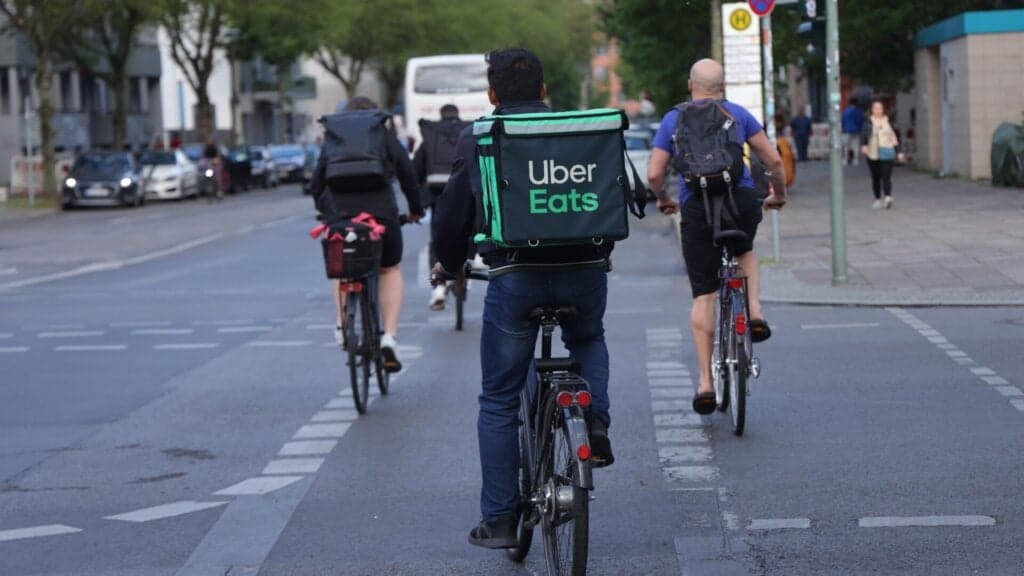
Uber is signaling a potential retreat from its aggressive push to dominate food delivery across Europe, a shift that could reshape the competitive landscape for meal delivery services on the continent. The company, which has long pursued market leadership through its Uber Eats platform, now appears to be weighing alternative strategies that prioritize profitability over market share.
Regulatory Headwinds Reshape Strategy
European regulators have increasingly targeted gig economy platforms with new rules on worker classification and minimum pay. These measures directly affect Uber Eats' cost structure and operational flexibility. In markets such as France, Germany and Spain, compliance costs have eroded margins that once justified aggressive expansion.
Uber's leadership now faces pressure from shareholders to demonstrate a clear path to profitability across all segments. The food delivery unit, while growing in revenue, has struggled to achieve consistent positive earnings in Europe compared to more mature markets like the United States.
Competitive Landscape Intensifies
Local rivals have entrenched themselves through partnerships with major restaurant chains and superior logistics networks. Deliveroo has secured exclusive agreements with popular brands while Just Eat Takeaway leverages its strong legacy presence in Northern Europe.
Uber's attempt to outspend these competitors through heavy subsidies has proven unsustainable. The company now faces a choice between continuing costly market share battles or retreating to focus on fewer profitable cities.
Why This Matters
The recalibration of Uber's European food delivery strategy signals a turning point for the entire gig economy sector. If Uber pulls back from aggressive expansion, it could trigger consolidation among delivery platforms as investors demand clearer profitability timelines. Consumers may see fewer promotional discounts but could benefit from more reliable service as companies stabilize operations. For Uber itself, this pivot frees up capital to invest in autonomous vehicle technology and other high-margin ventures where it holds stronger competitive advantages.
What Comes Next for Uber Eats
Uber may pursue partnerships or joint ventures rather than full ownership of delivery operations in certain European countries. Another possibility involves licensing its technology platform to local operators while reducing direct operational exposure. Either approach would mark a significant departure from the company's earlier ambition of building an end-to-end delivery empire across Europe.