Senior Editor: Alan Agbele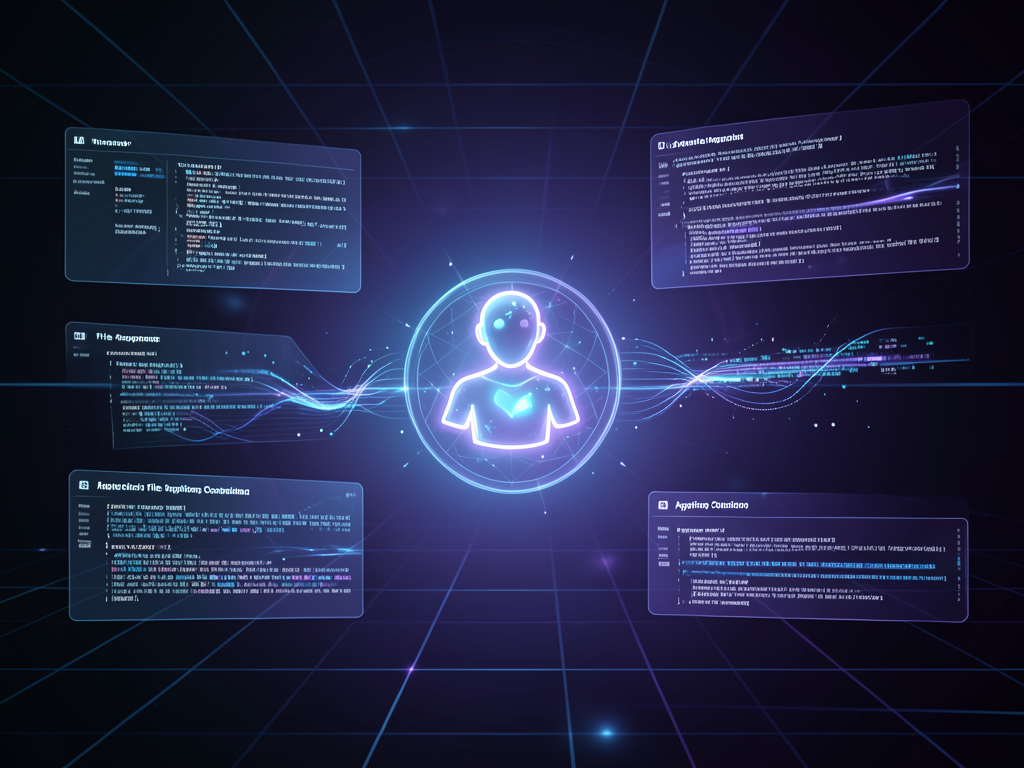
A leaked internal Microsoft experiment has surfaced, showing the company once built an entire operating system designed around Copilot and AI agents. The prototype, which appears to be a cloud-based OS, positioned Copilot as the central interface and relied on AI agents to handle tasks ranging from file management to application orchestration. While Microsoft has publicly downplayed the idea of turning Copilot into an OS, this leak reveals a more aggressive internal push to embed AI at the core of computing.
The Leaked OS and Its AI-First Design
According to the leaked materials, the experimental OS stripped away traditional desktop elements and replaced them with a Copilot-driven interface. Instead of a taskbar and file explorer, users would interact primarily through conversational commands and AI agent actions. The system was built on cloud infrastructure, allowing Copilot to access and process data across devices seamlessly.
The prototype ran AI agents that could automate workflows, manage notifications and even install updates without user intervention. This design represents a radical departure from Windows, moving toward a model where the user acts more as a supervisor than a direct operator.
Why This Matters
This leak matters because it reveals Microsoft’s long-term strategic direction even as the company maintains a cautious public posture. If Microsoft moves forward with an AI-OS concept, it could disrupt the traditional OS market dominated by Windows and macOS. For users, an AI-driven OS would shift control from manual operation to automated decision-making, raising questions about privacy, reliability and user autonomy.
Competitors including Google and Apple are also exploring AI integration, but Microsoft’s experiment suggests a more radical approach: replacing the OS kernel entirely with AI orchestration. Enterprise customers, who rely on stability and predictability, may face the biggest adjustment. Developers would need to build for an agent-first world where apps are invoked by AI rather than launched by users.
The project’s existence shows that Microsoft is willing to explore fundamental changes to the computing model despite the risks. The question is not whether an AI-centric OS will arrive, but how quickly and in what form.
What This Means for the Industry
The leak also signals a broader race to redefine the operating system. As cloud computing and AI mature, the OS may become an invisible layer managed entirely by agents. Microsoft’s experiment, though reportedly shelved, provides a blueprint for that future. It also highlights the tension between innovation and public messaging: Microsoft has said it does not see Copilot as an OS, but this prototype says otherwise.
For now, the project remains an internal experiment. But the leak ensures that the industry and consumers know what Microsoft is capable of building behind closed doors.