Senior Editor: Alan Agbele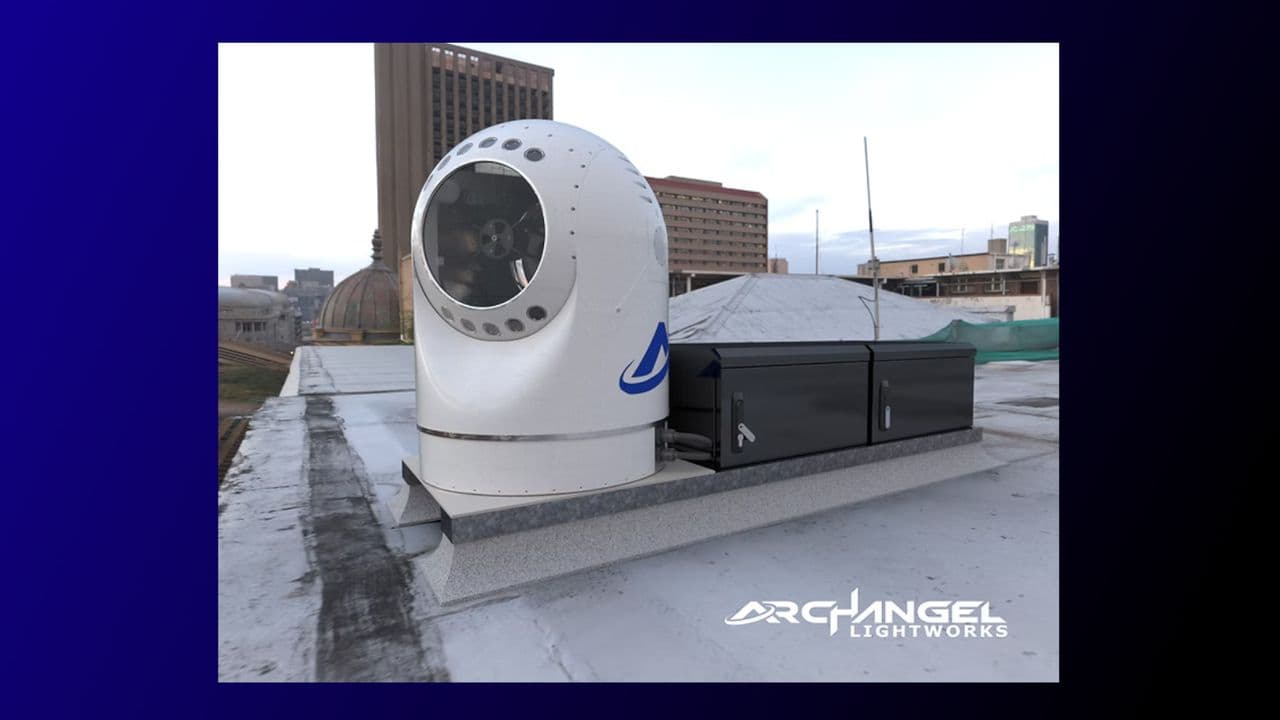
A startup has unveiled what it calls the world's smallest operational optical ground station, a device roughly the size of a suitcase. The station uses laser links to connect satellites directly to the internet, bypassing the physical cables that carry most global data traffic.
The technology aims to solve a persistent problem in global connectivity. Subsea cables, which handle over 95% of international data, are expensive to lay, vulnerable to ship anchors and natural disasters. Terrestrial fiber networks face similar issues with construction costs and physical damage.
How Laser Links Change the Equation
Traditional satellite internet relies on radio frequencies, which face bandwidth limits and interference. Optical ground stations use focused beams of light, similar to fiber optics but through the air. This allows much higher data rates and lower latency.
The new station is designed for rapid deployment. It can be set up in hours instead of the months or years needed for cable installations. Its small size makes it suitable for remote or disaster prone areas where building cable infrastructure is impractical.
The system connects to low Earth orbit satellites equipped with optical terminals. When a satellite passes overhead, the ground station locks onto its laser beam and establishes a high speed data link. The connection then relays data to the wider internet through a local fiber or cellular hookup.
Why This Matters
This technology directly affects internet reliability and access. Subsea cables are concentrated in narrow corridors, making them single points of failure. A single cable cut can disrupt connectivity for entire countries. Optical ground stations distribute data pathways, reducing dependence on these choke points.
For businesses and governments, this means more resilient networks. For remote communities, it offers a faster path to broadband without waiting for expensive cable projects. The system also holds promise for military and emergency response applications where rapid, secure communications are critical.
The station operates autonomously, tracking satellites as they move across the sky. It adjusts its beam to maintain a steady connection despite atmospheric turbulence. The company claims the system can operate in varying weather conditions, though heavy cloud cover remains a challenge.
Global data traffic continues to grow. Terrestrial and subsea infrastructure struggles to keep pace with demand. Laser based satellite links offer a complementary solution, adding capacity without the environmental and logistical costs of physical cables.
The first units are already in testing with early customers. The company plans to scale production in the coming months, targeting telecommunications providers, government agencies and internet service providers. If successful, these small ground stations could reshape how the world connects to the internet.