Senior Editor: Alan Agbele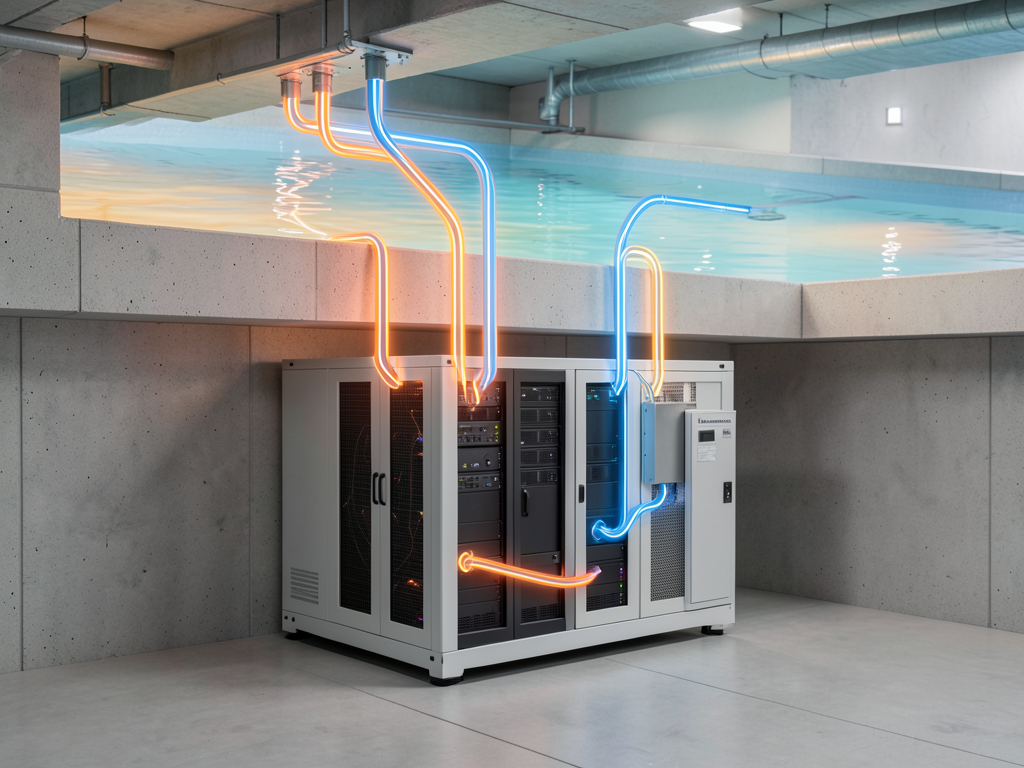
A Canadian startup named Tiny has demonstrated a practical way to reduce energy waste by using the heat generated by its edge data center to warm a public swimming pool. The installation, located at the Exmouth Leisure Centre in Devon, UK, captures excess heat from computing equipment and transfers it directly into the pool water, cutting the facility's gas consumption by an estimated 90 percent.
How the Heat Swap Works
Tiny's edge data center operates in a self-contained pod situated in the leisure center's basement. Hot air from the servers is channeled through a heat exchanger, which warms the pool's recirculating water. The system requires no additional energy beyond the data center's normal operation. The pool has reduced its reliance on natural gas boilers, saving thousands of pounds annually.
Why This Matters
This project shifts the conversation around data center sustainability. Instead of focusing solely on renewable energy to power servers, it shows that waste heat can be a direct community benefit. For leisure centers and similar public facilities, the model offers a path to lower operating costs and faster progress toward net-zero goals. Tiny's approach also reduces the carbon footprint of the data center itself, since the heat does not require active cooling systems that consume additional electricity.
The implications extend beyond swimming pools. Similar setups could heat hospitals, schools or apartment buildings. If adopted widely, the method could transform data centers from energy burdens into local heat sources. Municipalities, however, must consider proximity: edge data centers need to be placed close to the buildings they heat, which may require zoning changes or partnerships with private companies.
Challenges Ahead
Scaling the idea faces real-world barriers. Most existing data centers are located in industrial parks, far from homes or pools. Retrofitting older facilities is expensive. Tiny, however, designs for edge computing from the start, making its pods intentionally small and easy to install in existing structures. The company plans to expand its model to other leisure centers across the UK and Europe. If demand grows, regulators may need to update building codes to encourage integrated energy sharing.
The Tiny project proves that data center heat is not just a waste problem but a resource waiting to be tapped. For pool operators and city planners, the message is clear: the next wave of energy savings might come from the servers humming in the basement.