Editor: Porcia Akua Holmes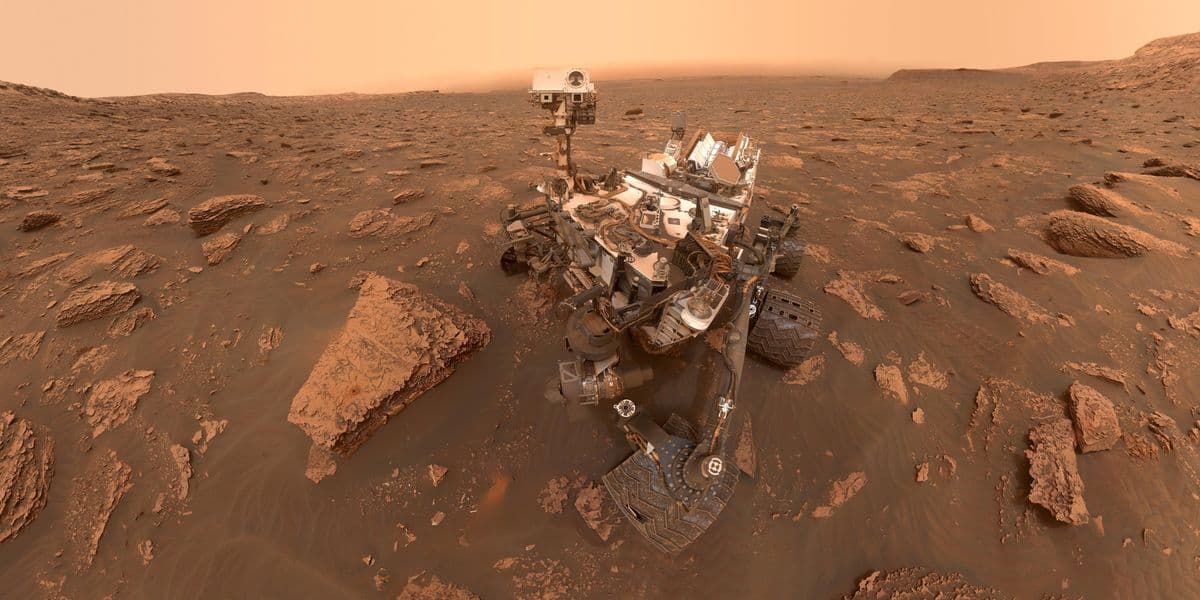
Thirteen years is a long time for any piece of technology to operate, especially one sitting on a cold, dusty planet over 200 million kilometers away. NASA's Curiosity rover has been doing exactly that since it landed on Mars in August 2012. Its continued operation is a testament not to luck but to careful engineering, constant software maintenance and a team of specialists working to keep aging hardware productive.
The Challenge of Extreme Longevity
Curiosity was designed for a primary mission of roughly two Earth years. Its current operational lifespan has far exceeded expectations. The rover's hardware was built to endure the Martian environment, which includes temperature swings of more than 100 degrees Celsius and a constant bombardment of cosmic radiation. But hardware alone is not enough. The software that drives Curiosity must also adapt over time. Engineers at NASA's Jet Propulsion Laboratory update the rover's flight and science software to compensate for hardware degradation, improve efficiency and add new capabilities that were not part of the original plan.
Remote Software Engineering
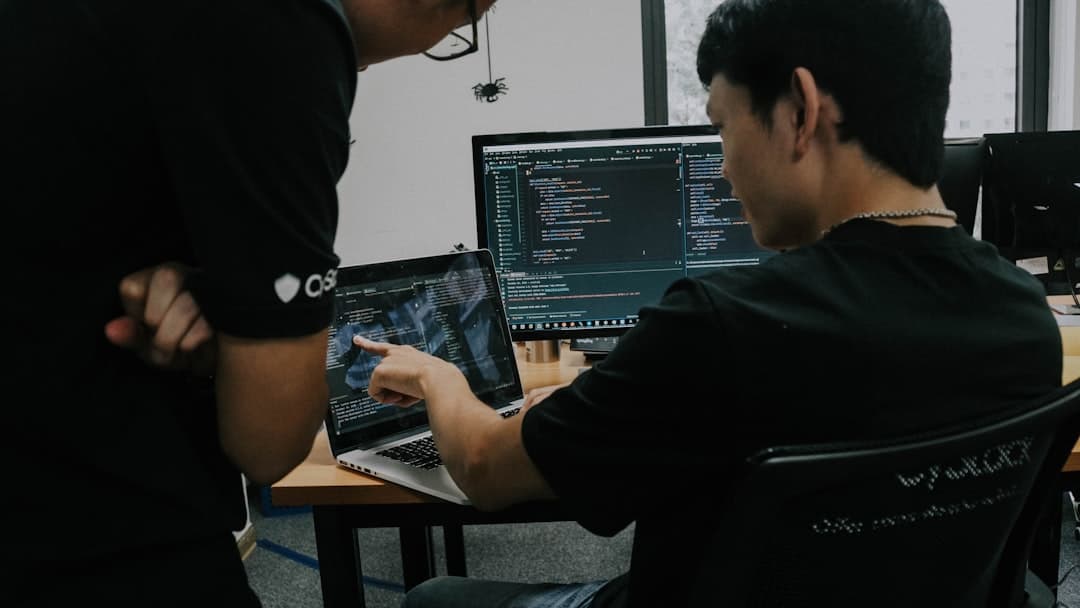
All software updates must be tested rigorously on Earth before being transmitted to Mars. The transmission delay can range from 5 to 20 minutes each way depending on planetary positions. A flawed update could render the rover inoperable with no physical repair possible. The team employs extensive simulation environments that mirror Curiosity's current state. These simulations allow engineers to test new sequences, bug fixes and performance enhancements before they are sent to the actual rover. The process is slow and deliberate. Each update can take weeks or months to prepare and deploy.
Preserving Scientific Output
The primary goal of these efforts is to keep Curiosity gathering data. The rover carries a suite of scientific instruments designed to analyze Martian rock and soil samples. As the rover ages, some components show signs of wear. For example, its drill mechanism has experienced issues that required new operating techniques. The team also manages the rover's power budget carefully. Its nuclear battery provides a steady but diminishing power supply. Software refinements help prioritize science activities while preserving enough energy for communication and system health during the cold Martian nights.
Why This Matters
The techniques developed for Curiosity inform future missions. NASA's Perseverance rover, which landed in 2021, benefits directly from lessons learned by the Curiosity team. The ability to keep a robotic asset productive for more than a decade also changes mission planning. Engineers can design for longevity rather than just a primary window of operation. This approach maximizes the scientific return for the taxpayer investment and helps build the foundation for longer duration human missions to Mars. The work being done on Curiosity today is not just about keeping an old rover running. It is about proving that complex science can be sustained across vast distances and over many years.