Senior Editor: Alan Agbele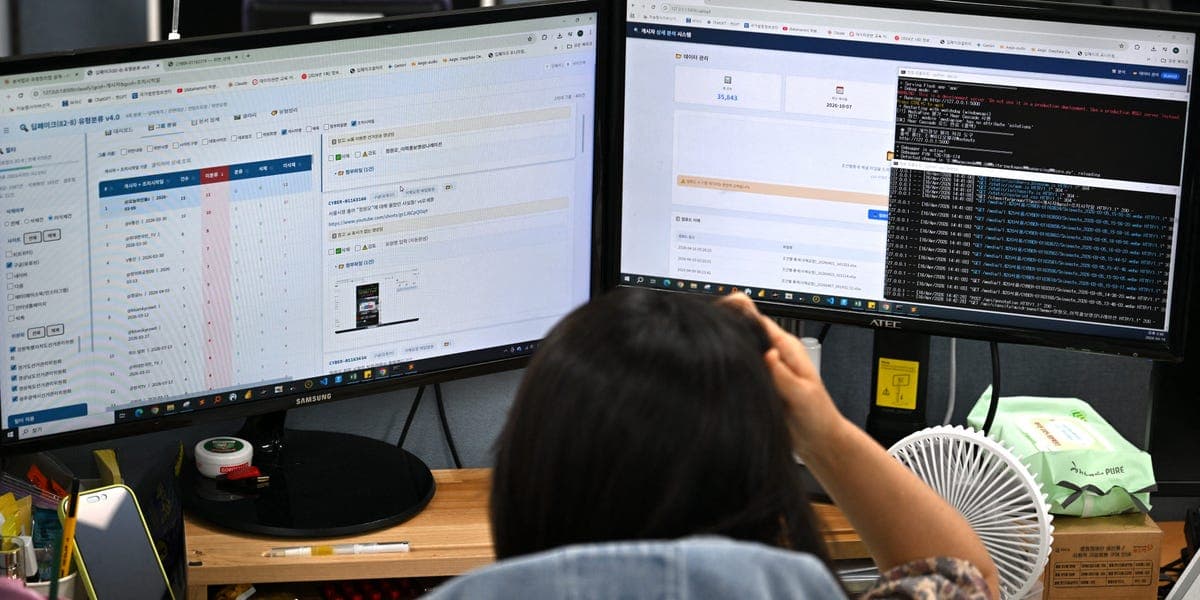
A growing disconnect is emerging between the promise of artificial intelligence and its daily reality for workers. Employees now spend more than six hours each week correcting errors made by AI systems, a task that has become known as botsitting. This hidden labor cost is fueling job dissatisfaction and challenging the narrative that automation boosts workplace efficiency.
The Botsitting Burden
Research indicates that the average worker dedicates nearly an entire workday each month to monitoring and fixing AI outputs. These tasks range from editing poorly generated text to correcting data analysis errors. The time spent on these corrections often goes unrecognized by management, creating a gap between expected productivity gains and actual outcomes.
This phenomenon is not limited to any single industry. Customer service representatives review chatbot responses. Marketing teams rewrite AI-generated copy. Data analysts verify automated reports. Across sectors, human workers serve as quality control for imperfect algorithms.
Why This Matters
The implications extend beyond individual frustration. Companies investing heavily in AI tools may be overestimating their return on investment if employee time savings are offset by correction work. For workers, the added responsibility without recognition or compensation creates resentment toward technology that was supposed to make their jobs easier.
This dynamic also raises questions about how organizations measure productivity in an AI augmented workplace. If managers see only output volume without accounting for human oversight time, they may draw misleading conclusions about efficiency improvements.
A Growing Trust Gap
The botsitting trend points to a deeper issue with current AI systems: they lack reliability in many practical applications. While these tools excel at generating plausible content, they frequently produce inaccurate or nonsensical results that require human intervention.
This trust gap creates friction between workers and the technology they are expected to use. Employees report feeling like unpaid trainers rather than empowered professionals. The frustration is compounded when performance metrics fail to account for the time spent managing AI outputs.
Redefining Productivity Metrics
Organizations may need to rethink how they evaluate both employee performance and technology investments. Simply tracking output volume ignores the hidden costs of oversight work. New metrics should account for quality assurance time and error rates produced by AI systems.
For workers, documenting botsitting hours could provide leverage in discussions about workload expectations and tool effectiveness. Some experts suggest companies should budget dedicated time for employees to train and correct AI systems rather than treating it as an invisible part of existing responsibilities.