Editor: Porcia Akua Holmes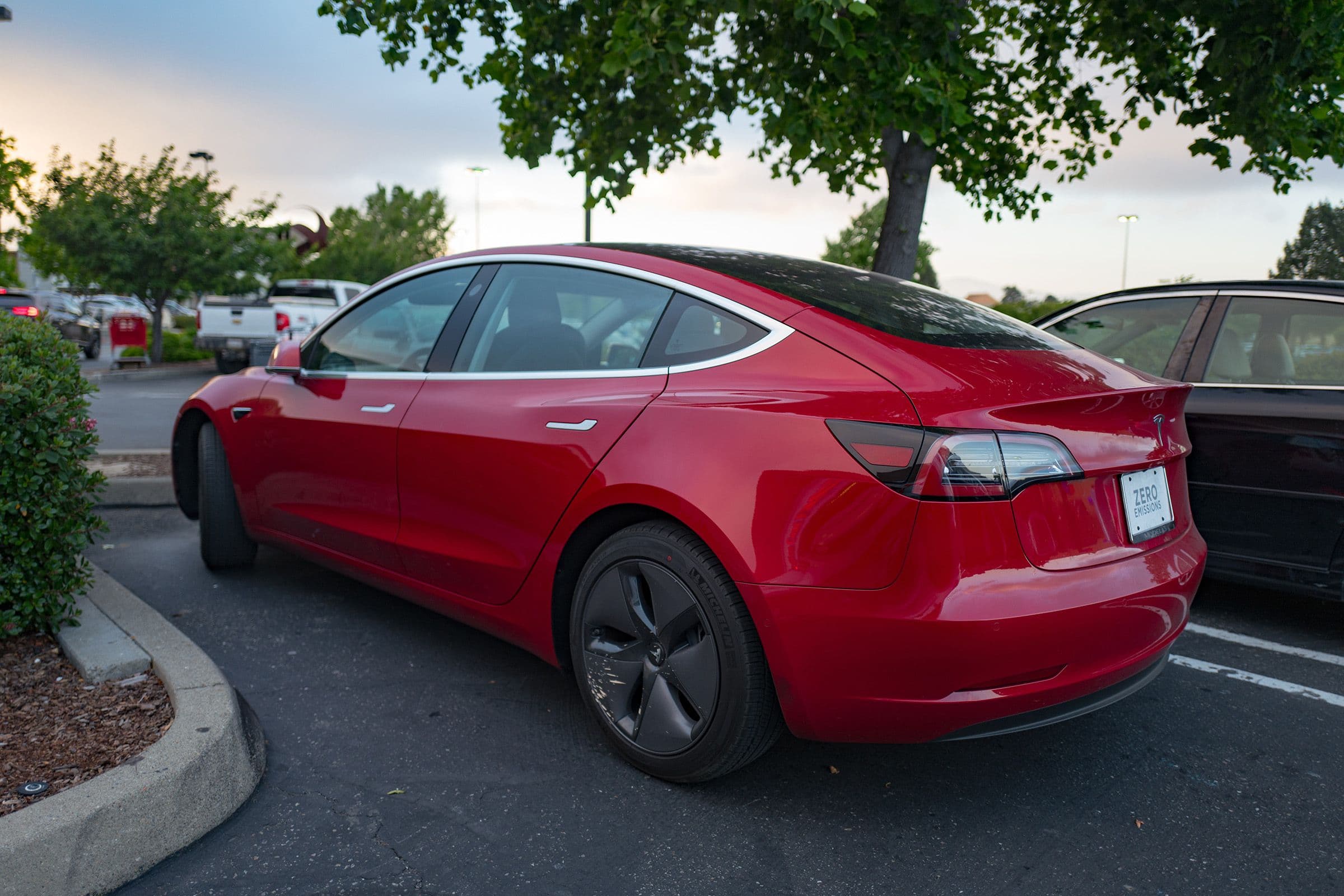
Chinese regulators have ordered Tesla to recall nearly 3 million vehicles over a door handle safety issue, marking the largest recall in the company's history in the country. The two separate recall actions target vehicles that could fail to detect a driver's hand on the door handle, increasing the risk of accidental opening while driving. While most of the remedy will arrive through over-the-air software updates, some vehicles will also need physical warning stickers and camera-related adjustments.
Scope of the Recall
The recall covers approximately 2.7 million vehicles across two campaigns. Affected models include the Model 3, Model Y, Model S, and Model X manufactured in China and imported from the United States. The first campaign addresses a door handle issue that could cause the latch to disengage during driving. The second campaign involves a software error that may prevent the rearview camera image from displaying correctly after certain sequences of operation.
Why Over-the-Air Fixes Are Not Enough
Software updates can rewrite the door handle control logic, but regulators demanded physical changes for some vehicles. Tesla must install warning stickers on door panels that explain the flush-handle operation. A camera recalibration is also required for models where the rearview camera does not activate quickly enough. These hardware-level interventions show that even advanced over-the-air capabilities cannot replace all physical compliance measures. The recall highlights the tension between rapid software deployment and traditional safety certification processes.
Why This Matters
This recall is the largest Tesla has faced in China, a market that accounts for roughly one-third of its global sales. Repeated regulatory actions in the country could erode consumer confidence and invite stricter oversight. For Chinese competitors like BYD and Nio, the recall offers a chance to emphasize their own quality records. For Tesla, the cost of deploying physical stickers and camera calibrations at service centers is modest, but the reputational damage may be longer lasting. The event also signals that Chinese regulators expect automakers to respect both software and hardware safety requirements equally.
What Comes Next
Owners of affected vehicles will receive notifications from Tesla and can schedule free inspections. The over-the-air updates will begin rolling out immediately, while physical retrofits will be handled at Tesla service centers over the next few months. Investors and analysts will watch for any spillover effects on Tesla's delivery numbers in the next quarter. The recall underscores a broader industry reality: as cars become more software-driven, regulators are keeping pace with new forms of compliance demands.