Senior Editor: Alan Agbele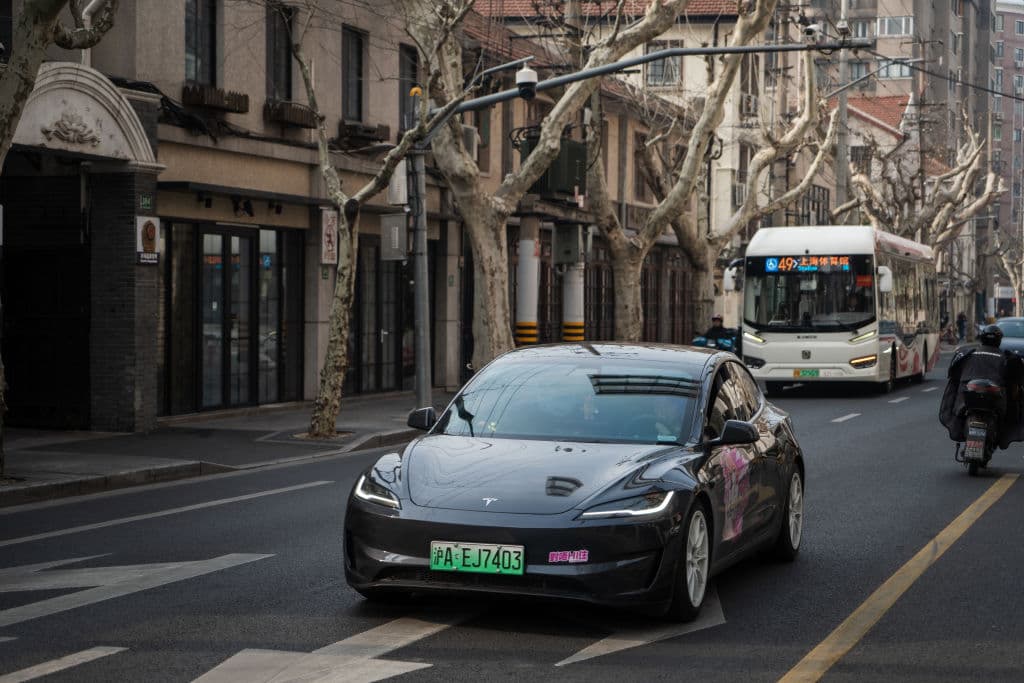
Tesla is pushing back against public narratives that its Autopilot driver-assistance system was responsible for a fatal crash in Texas last month. The company's stance sets up a high-stakes battle over data interpretation as investigators work to determine exactly what happened.
Core Dispute Over System Status
The crash, which killed two men when a Tesla Model S veered off a road and struck a tree, ignited immediate speculation about Autopilot's role. Local authorities initially stated they believed no one was in the driver's seat at the time of the impact. Tesla, however, has publicly countered that narrative. The company says its preliminary data logs show the vehicle's Autopilot system was not engaged on that stretch of road. Furthermore, Tesla claims the vehicle's steering wheel detected torque from a driver before the collision.
This direct contradiction between initial police statements and Tesla's internal data underscores the central challenge of modern crash investigations: verifying complex electronic systems after catastrophic failure.
The Data Verification Challenge
Whether Autopilot was truly active, overridden or malfunctioning likely will not be resolved until investigators finish combing through the vehicle's event data recorder (EDR). Unlike standard black boxes in aviation, automotive EDRs have limited storage and can be overwritten. In this case, retrieving clean data from a severely burned vehicle adds another layer of difficulty.
Why This Matters
The outcome of this investigation carries significant weight for Tesla owners and the broader automotive industry. If regulators find that Autopilot contributed to the crash despite Tesla's denials, it could trigger stricter federal oversight of all Level-2 driver-assistance systems currently on the market. For consumers, this case highlights a critical gap in transparency: drivers often have no real-time indication whether their car is operating under human control or automated assistance during an emergency sequence.
The incident also pressures automakers to improve how they log and share safety-critical data with law enforcement without compromising proprietary technology or user privacy.
A Pivotal Moment for Automated Driving Claims
Tesla has long marketed its Full Self-Driving capability as an advanced option while legally classifying it as a Level-2 system requiring constant driver supervision. This semantic distinction becomes crucial in courtrooms and regulatory hearings where liability is assigned after fatal accidents.
- The Texas crash occurred just days after NHTSA announced it would require automakers to report all serious crashes involving advanced driver-assistance systems within one day of learning about them.
Tesla faces mounting scrutiny from both federal regulators and media outlets over how it names and deploys these features. The company maintains that its technology reduces accident rates when used correctly but acknowledges that misuse by drivers remains a persistent risk factor beyond engineering control.