Senior Editor: Alan Agbele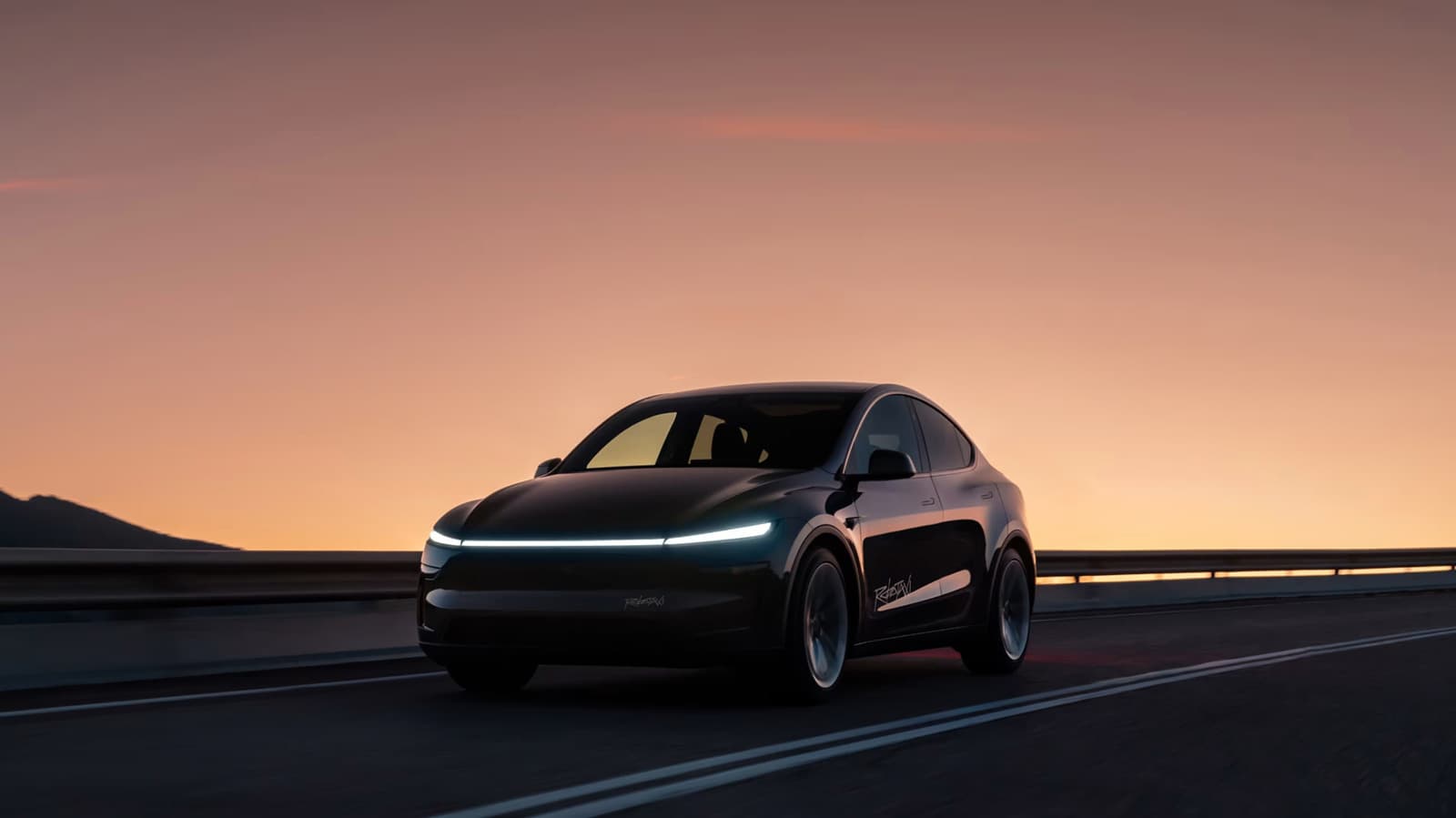
Tesla has begun operating its robotaxi service in a restricted section of Miami, marking the company's first deployment in a major U.S. city. The service relies on Tesla's autonomous driving software and is confined to a small geographical zone within the city.
Limited Deployment in Miami
The robotaxi service covers only a small portion of Miami, though Tesla has not disclosed the exact boundaries. Riders can hail a Tesla vehicle through the company's app, with no human safety driver present. The company has been testing the system internally and with employees before opening to the public.
Competitive Landscape
Waymo, a unit of Alphabet, already runs driverless taxi services in Phoenix, San Francisco and Los Angeles. Cruise, backed by General Motors, operates in a few cities but has scaled back after regulatory incidents. Tesla's entry adds a new player in the autonomous ride-hailing market, but the limited scope of the Miami launch shows the company's cautious approach.
Industry analysts note that Tesla's robotaxi strategy depends on its ability to prove safety at scale without lidar sensors, a technology used by most competitors. The Miami deployment will be a key test of that approach.
Why This Matters
Tesla's robotaxi service, if successful, could reshape urban transportation and generate a new revenue stream for the company. The Miami expansion demonstrates that Tesla is moving beyond pilot programs into commercial operation. Regulators, competitors and riders will watch closely for safety metrics and public acceptance. For the ride-hailing industry, Tesla's entry threatens established players like Uber and Lyft, which have invested heavily in autonomous partnerships but lack their own vehicle fleet. The limited launch also means that meaningful competition is still years away.
Future Plans
Tesla's robotaxi roadmap includes expansions to Orlando and Tampa, though no timeline has been announced. The company has also discussed a nationwide network of robotaxis accessed through a future ride-hailing platform. Success in Miami could accelerate those plans and pressure regulators in other cities to approve similar services.