Editor: Porcia Akua Holmes
Technology teams are discovering that collecting more telemetry does not automatically produce better insight. As environments scale across clouds and tools, the volume of signals has outpaced the ability to interpret them, pushing organizations to rethink where observability data should be processed.
The shift marks a departure from the long-held assumption that visibility improves with data volume. Fragmented telemetry and rising storage costs are now forcing a more selective approach.
Why Telemetry Volume Became a Liability
The volume of telemetry available is not the fundamental issue. Its quality is. When teams collect everything and attempt to make sense of it later, they spend more time managing information than extracting value from it.
Fragmentation compounds the problem. Data sits across several tools and agents, each generating varied forms of signal and alert. During an outage, teams must piece together inconsistent information before they can identify a root cause.
This delay carries a financial cost. Processing and storing telemetry at scale requires considerable resources, especially when organizations retain information that contributes more noise than insight.
Moving Intelligence Upstream in the Stack
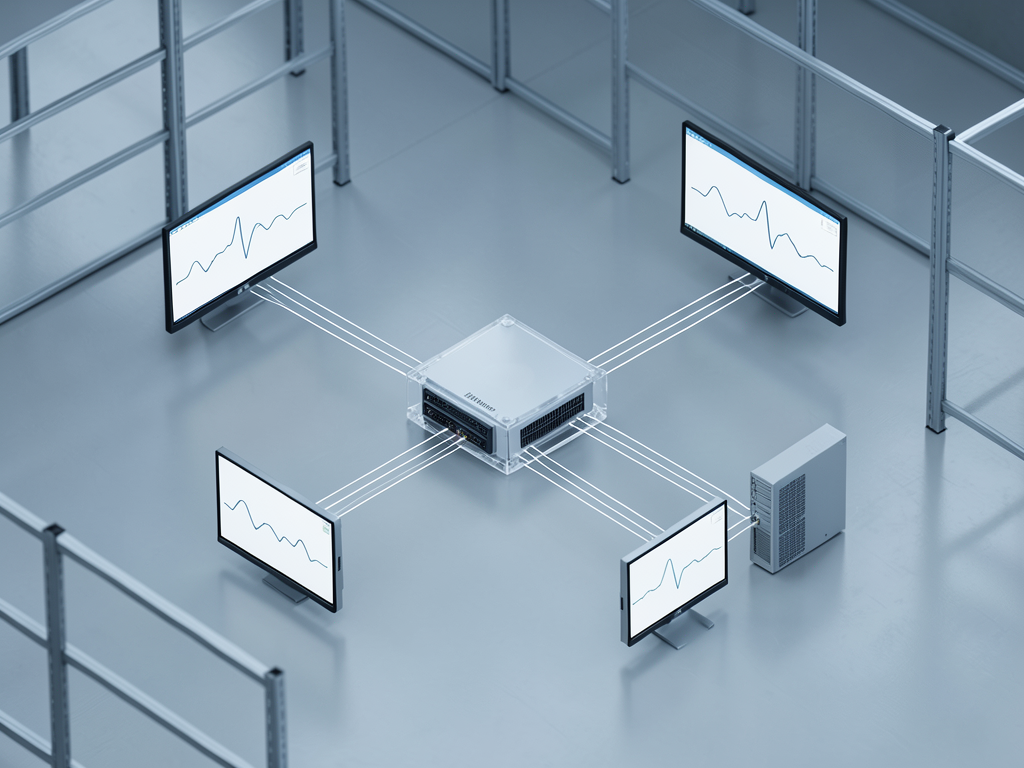
One response is to move intelligence further upstream in the technology stack. In practice, that means making decisions about telemetry earlier by filtering out what is not useful, enriching important information and routing meaningful signals before they reach downstream systems.
Teams are beginning to collect, process and route relevant observability telemetry in real-time before ingestion. The result is less volume to handle, reduced expenses and cleaner telemetry since only relevant signals are sent downstream.
Open standards such as OpenTelemetry are making this approach increasingly possible across complex environments. They allow teams to gather telemetry consistently without being dependent on a particular vendor or set of tools.
Why This Matters
The consequences extend well beyond engineering teams. As organizations introduce more AI-powered capabilities into operations, the quality of telemetry directly determines the reliability of automated decisions.
Poor quality telemetry leads to poor quality insights. When those insights feed large-scale automated decision-making, the margin for error narrows sharply. Senior management and board members increasingly asked to support AI-driven decisions need to trust the information those decisions are built upon.
Teams that adopt upstream telemetry processing will detect issues earlier, spend less time on manual research and automate with greater confidence. Those that do not will face rising costs and slower incident response as environments continue to grow.
What You Need to Know About AI and Telemetry Quality
AI systems depend on accurate, contextualized telemetry to produce insights and automate decisions. Incomplete or cluttered telemetry slows teams down and undermines the trust that automated systems require.
Teams responsible for automated systems need to understand what has happened and explain why decisions about performance or security have been made. That becomes much more difficult when decisions are based on inconsistent information.
A strong telemetry foundation and a unified, context-driven platform not only enhance daily operations but also increase the success rate of the AI-powered capabilities an organization invests in over time.
Building Quality In From the Start
Faster innovation and better customer outcomes depend on organizations having useful telemetry and signals available when they are needed. The traditional approach of collecting everything and sorting it later no longer scales.
By treating telemetry quality as a first-class concern, teams can reduce costs, improve incident response and build the reliable data foundation that AI-driven operations demand.