Senior Editor: Alan Agbele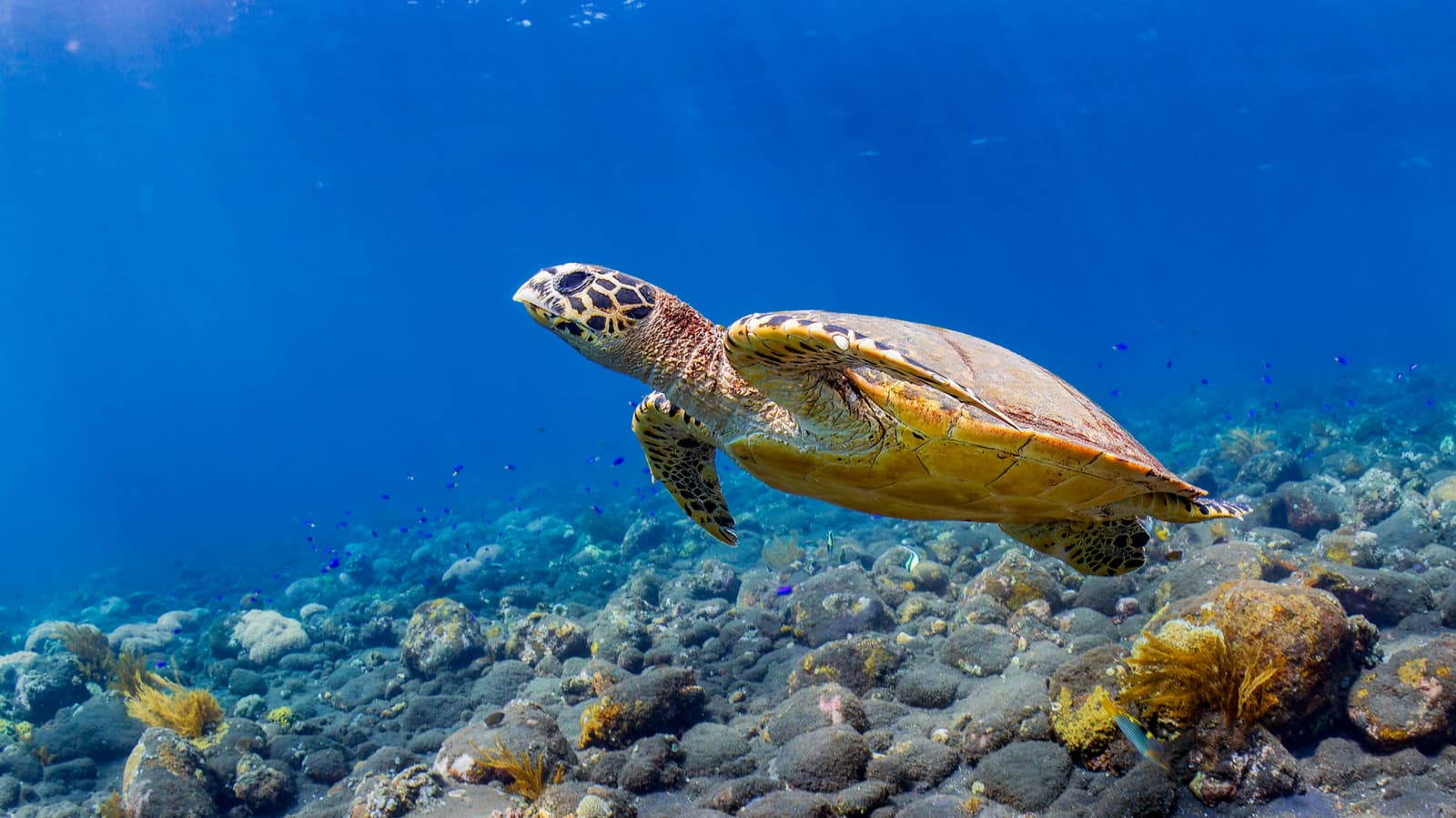
A 15-year-old inventor from Ontario has developed a bionic sea turtle powered by artificial intelligence, offering a new tool in the fight against ocean pollution. The autonomous robotic device is designed to navigate marine environments and collect waste, addressing a problem that plagues ecosystems worldwide.
How the Bionic Sea Turtle Works
The robotic turtle mimics the movement of real sea turtles, allowing it to glide through water efficiently. Equipped with sensors and an AI system, it can identify and collect floating debris such as plastics. The device operates autonomously, using machine learning to improve its navigation and waste detection over time.
Key features of the prototype include:
Why This Matters
The bionic sea turtle matters because it demonstrates how low-cost, bio-inspired robotics can complement large-scale cleanup operations. Ocean pollution, particularly plastics, threatens marine life and human health. Current solutions often rely on stationary booms or manual collection, which are limited in reach and efficiency. This robotic approach could patrol coastlines and remote areas where traditional methods fall short. For the inventor, the project also signals a shift: young engineers are applying cutting-edge AI to practical environmental problems, potentially accelerating innovation in conservation technology.
The Bigger Picture
This invention arrives amid growing interest in autonomous systems for environmental monitoring. Governments and research groups have tested drones and submersibles for pollution tracking, but few have focused on debris collection. The bionic sea turtle occupies a niche between bio-inspired design and practical cleanup. It also raises questions about scalability and cost. Moving from a teenage inventor's prototype to a deployed fleet would require funding, testing and partnerships with environmental organizations. Still, the project offers a glimpse of how a single creative idea can spark broader conversations about technology's role in protecting the ocean.