Senior Editor: Alan Agbele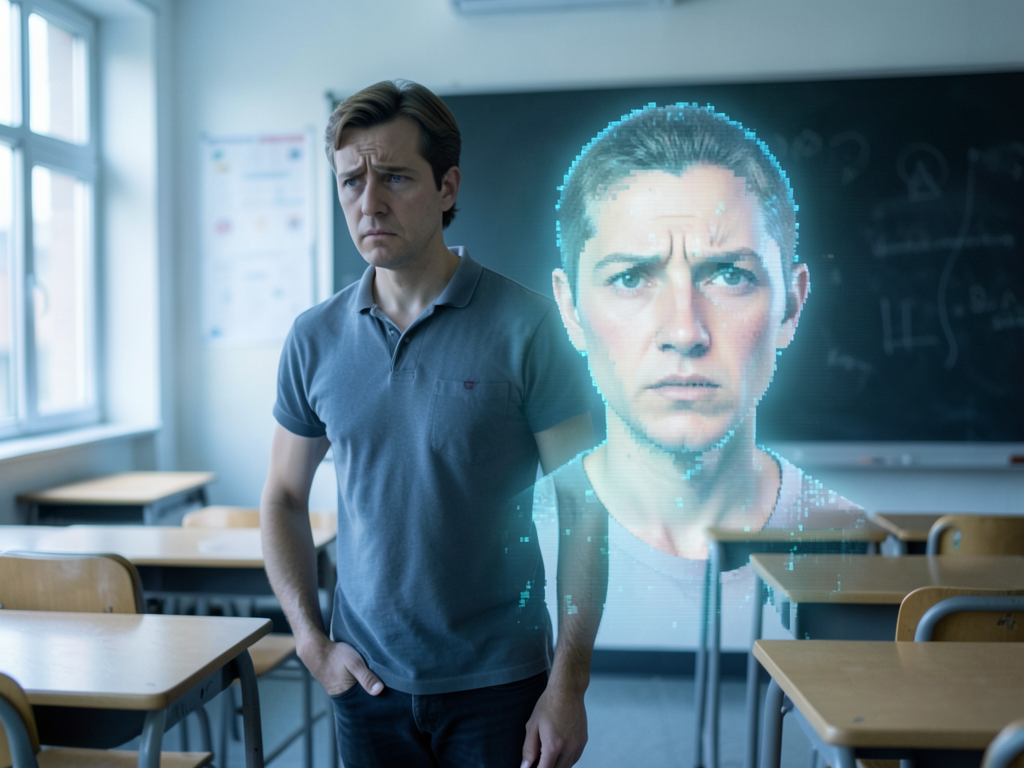
Teachers are increasingly becoming victims of deepfake content created by students, a trend that exposes a critical gap in school policies and legal protections. Four educators recently described to WIRED how they discovered fake, sexually explicit images generated with AI tools, and the near impossibility of holding perpetrators accountable.
The New Face of Harassment
They dedicated their lives to teaching, but then the deepfakes started. The teachers interviewed by WIRED said the images appeared on social media and school networks without warning. In one case, a student used an ordinary classroom photo to generate a fully nude version of the teacher. The teacher discovered the image when a colleague alerted her. The experience, she said, felt like a violation that no school policy could address.
These attacks follow a pattern familiar to those who study online harassment: the technology outpaces the rules. While many districts have updated codes to ban cyberbullying, few specifically mention AI-generated content. That creates ambiguity in disciplinary proceedings and leaves victims without clear procedures for requesting removal of the images.
Legal and Policy Gaps
State laws against nonconsensual deepfake pornography vary widely. Some states require proof that the creator intended to cause harm, a high bar when the creator claims it was a joke. Federal law on deepfakes remains fragmented, leaving most cases to local prosecutors unfamiliar with the technology.
The teachers described spending weeks trying to have the content removed from platforms, only to be told the images did not violate community standards. One teacher said the school administration advised her to simply ignore the posts, a response that she found dismissive and harmful.
Why This Matters
The deepfake problem in schools will intensify as AI tools become more realistic and easier to access. Teachers, already facing burnout and public scrutiny, now must contend with a form of harassment that follows them home and remains visible online for years. The lack of legal accountability emboldens perpetrators and signals to victims that the system will not protect them. School districts that fail to update policies risk losing trust from staff and students alike, while lawmakers who delay action leave educators vulnerable to psychological and professional harm that can end careers.
What Schools Can Do Now
Some districts have started to address the issue by clarifying that existing harassment policies apply to AI-generated content. Others have partnered with legal experts to draft specific rules about the use of AI tools on school property. The teachers interviewed all agreed that prevention must start with education: students need to understand that creating deepfake images is not a prank but a form of assault that carries real legal consequences.
Until policies and laws catch up, educators remain in a vulnerable position. The deepfake epidemic does not only affect students. It threatens the safety and dignity of those who dedicate their lives to teaching.