Senior Editor: Alan Agbele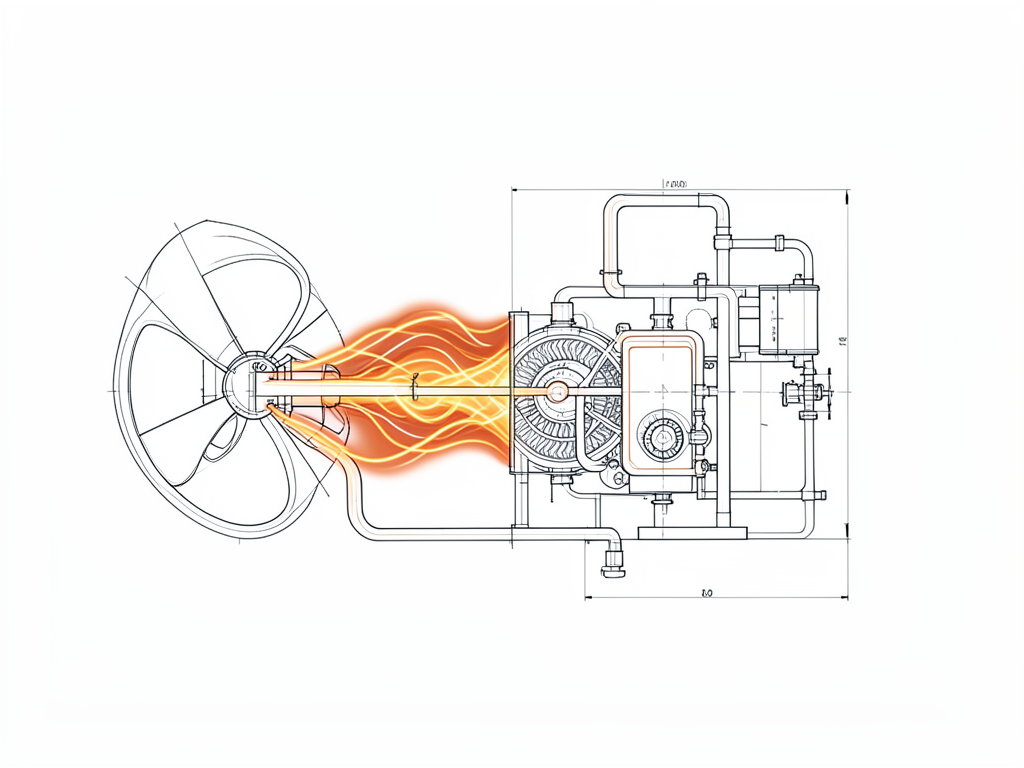
A startup is developing a system that uses supercritical carbon dioxide to increase the efficiency of gas turbines powering data centers. The technology could lower fuel consumption and emissions but would not eliminate the use of natural gas.
How the Technology Works
Supercritical carbon dioxide exists in a state above its critical temperature and pressure, where it behaves like both a liquid and a gas. The startup uses this fluid in a closed-loop system that extracts waste heat from a gas turbine's exhaust. The heated supercritical CO2 expands through a turbine, generating additional electricity without burning extra fuel. The cycle then cools and recompresses the CO2, readying it for reuse.
This setup boosts the overall efficiency of the power plant by up to 15 percent, meaning less fuel is needed to produce the same amount of electricity. For data center operators, that translates into lower operating costs and reduced carbon emissions per kilowatt-hour delivered.
Why This Matters
The data center industry is one of the fastest-growing consumers of electricity worldwide. Even modest efficiency gains can have large financial and environmental impacts. If widely adopted, supercritical carbon dioxide technology could help operators meet internal sustainability targets without replacing existing turbine infrastructure. The startup, however, faces a critical tension: its solution improves the carbon footprint of fossil fuel generation but does not eliminate emissions. Utilities and regulators must weigh these incremental gains against investments in renewable energy and battery storage, which offer zero-carbon alternatives.
For investors, the technology represents a near-term play on data center growth, appealing to companies that want quick efficiency improvements. The broader implication is that natural gas may remain a significant power source for data centers longer than some climate scenarios project.
Challenges Ahead
Bringing this system to commercial scale involves several hurdles. The startup must prove reliability and cost-effectiveness against other efficiency measures.
The startup has not disclosed a commercial deployment timeline. Early pilots with natural gas plant operators will be critical to demonstrate that supercritical carbon dioxide can deliver promised gains in real-world conditions.
What This Means for Data Centers
Data center operators looking to lower emissions quickly have a new option in supercritical carbon dioxide retrofits. The technology offers a bridge solution that works within the existing natural gas infrastructure. Environmental groups, however, may view it as a distraction from more fundamental shifts to renewable energy. The coming years will reveal whether incremental efficiency or full decarbonization wins the data center power debate.