Editor: Porcia Akua Holmes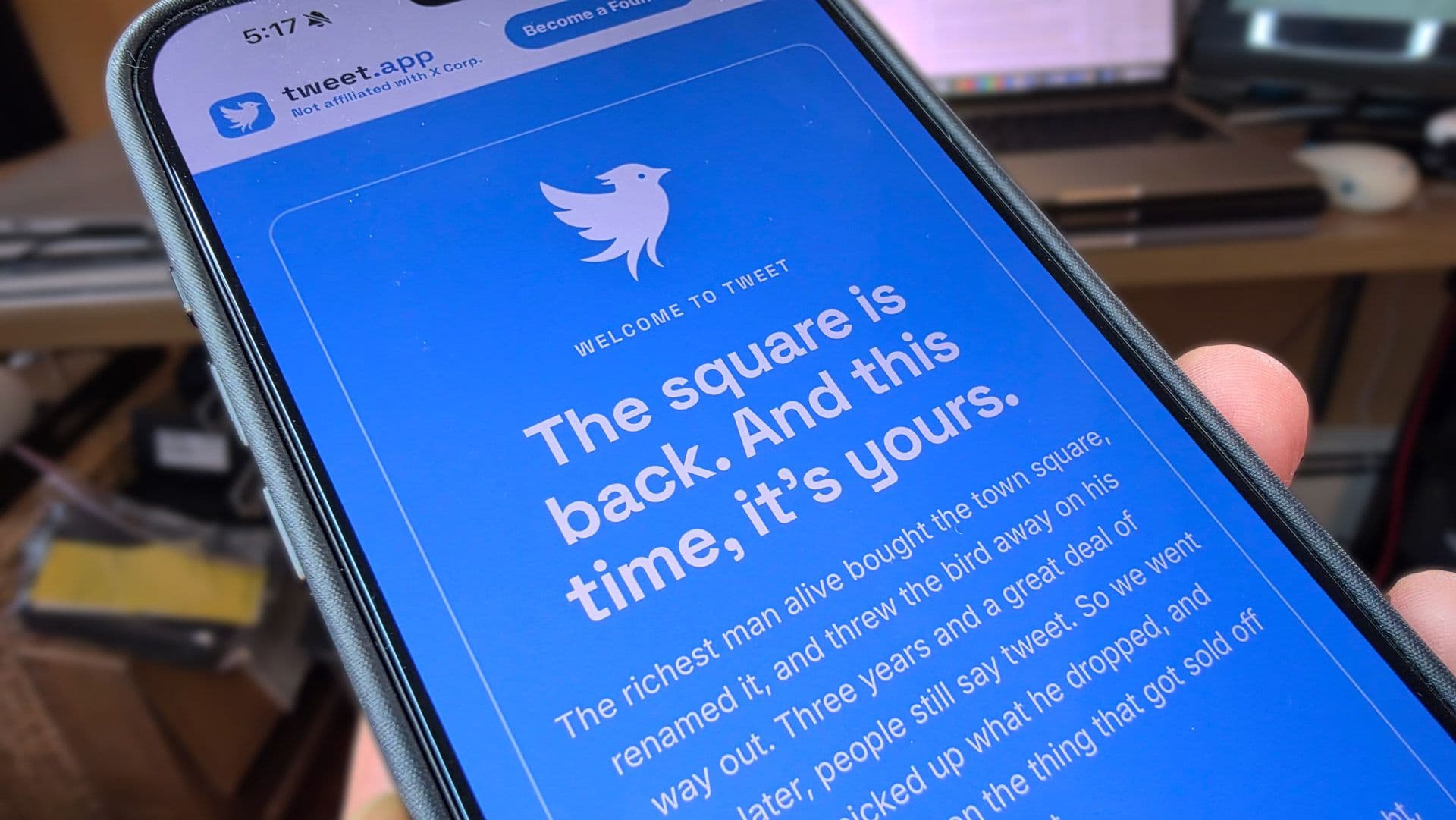
A startup called Bluebird has launched a paid social platform that recreates the look and feel of classic Twitter but introduces a controversial content moderation system driven by artificial intelligence. The platform, named Tweet.app, lets users decide how much misinformation they see in their feeds.
The Legal Path From Twitter to Tweet
Bluebird began a skunkworks project two years ago to revive the Twitter brand after Elon Musk rebranded the service to X in 2023. The company first launched Twitter.now, but a federal judge ruled that X still held valid trademark rights because it had listed "formerly Twitter" in the Apple App Store. Coates called the ruling surprising, but Bluebird quickly pivoted to the name Tweet.
Coates told reporters that the company is optimistic about prevailing on the Tweet trademark. He acknowledged that the name carries risk because X still appears as the first result when users search for Tweet in the App Store. The company has no plans to use the classic blue bird logo, which Coates said is not well protected by X.
How AI Moderation Works on Tweet.app
The platform's moderation approach is built on the principle of "freedom of speech but not freedom of reach." Coates explained that Tweet.app will not remove all fake news. Instead, the Vera tool measures content and assigns a score. Users can then decide their own tolerance level by adjusting a dial, effectively hiding posts that exceed a certain misinformation rating.
Coates, who previously worked as counsel for Meta, Reddit and TikTok, described the method as "AI for good." He said the company is not creating tools that generate AI outputs but rather using AI to scale moderation for a small team. The platform currently has only 10 employees and contractors, and the subscription revenue from roughly 8,000 users funds development.
Why This Matters
The success or failure of Tweet.app will test whether a paid, user-controlled moderation model can compete with the advertising-driven, centralized moderation of platforms like X and Facebook. If the approach gains traction, it could push larger companies to offer more granular content filtering options. The platform's small size means it has little immediate influence, but its philosophy challenges the assumption that social networks must either suppress speech or let misinformation spread unchecked. The outcome may influence how future platforms balance free expression and content quality.
Coates acknowledged that classic Twitter grew through viral moments such as the Arab Spring and the killing of Osama Bin Laden. He said Tweet.app is content to grow slowly, relying on deeply engaged paying members rather than scale for scale's sake. The company's long-term plan remains uncertain, but Coates expressed confidence that the courts will eventually allow Tweet.app to keep its name.