Senior Editor: Alan Agbele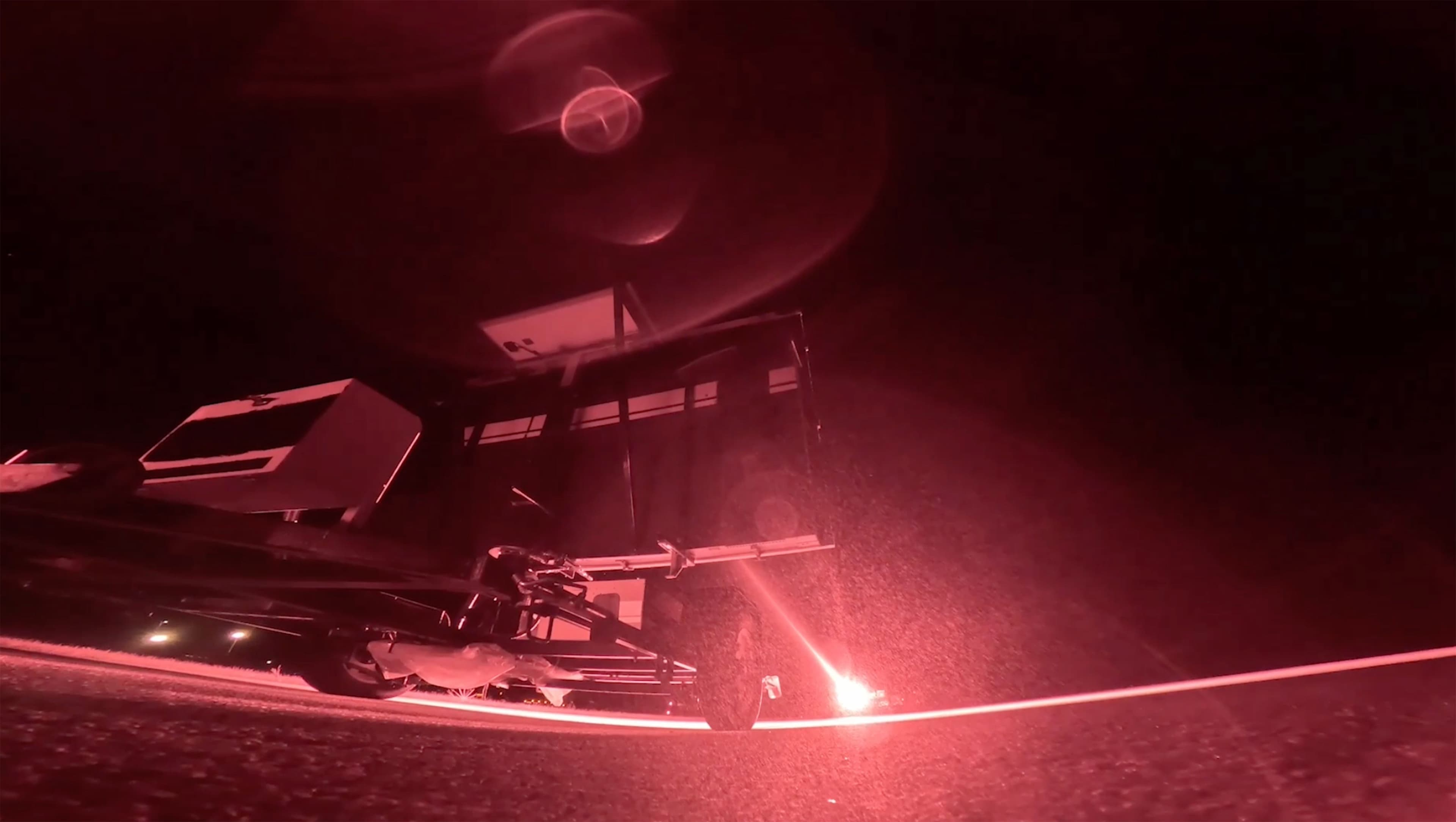
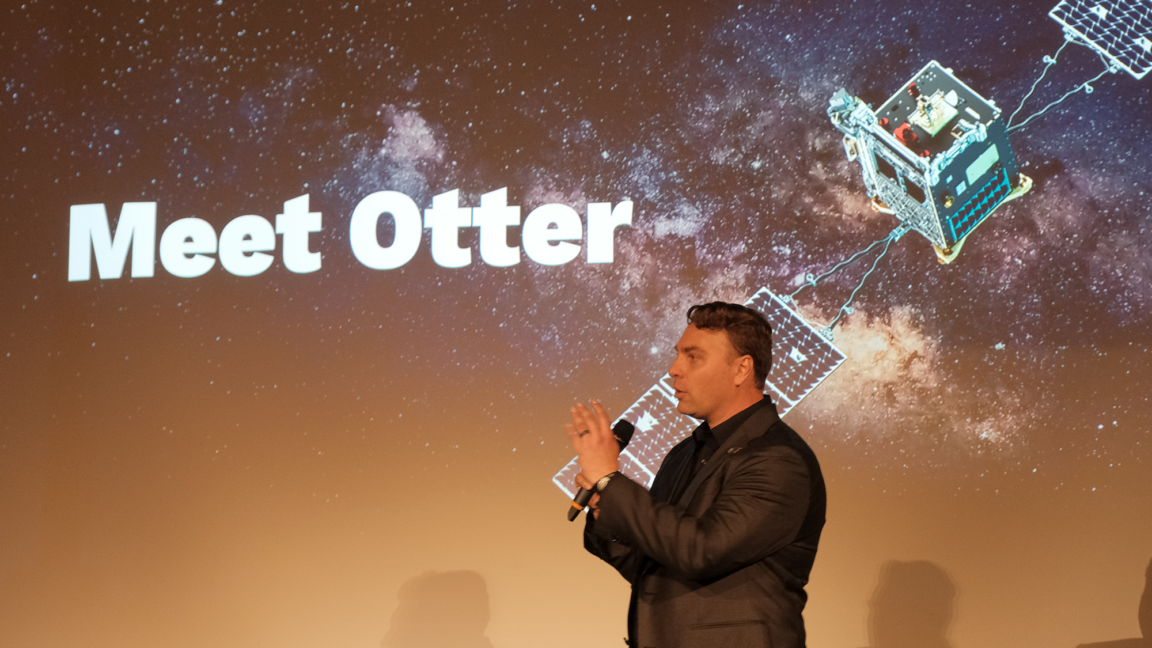
Startup Star Catcher is poised to conduct what would be the first controlled test of energy beaming between spacecraft, a experiment long theorized but never executed in orbit. If successful, the company's laser-based system could mark a turning point for satellite operations and space infrastructure.
The Technology Behind the Beam
At the core of Startup Star Catcher's experiment is a high-efficiency laser assembly designed to convert electrical power into a concentrated light beam. A receiving spacecraft is equipped with photovoltaic cells tuned to the laser wavelength, allowing direct conversion back to electricity. The company has not disclosed exact power levels but claims the system can transfer enough energy to significantly extend the operational life of a small satellite.
Key components of the system include:
Why This Matters
The implications extend well beyond a single test. Satellites today face a fundamental power constraint: they must carry their own solar panels and batteries, which add mass and limit design flexibility. Continuous power beaming could enable smaller, lighter spacecraft with higher payload capacity. For satellite operators, this means lower launch costs and longer mission durations. It also opens the door to servicing spacecraft that have lost power or to powering constellations in permanently shadowed regions of the Moon. Startup Star Catcher's test, if successful, will demonstrate the basic physics at orbital scale and provide critical data for future commercial services.
Industry Context and Hurdles
Wireless power transmission has been a staple of science fiction for decades, but real-world attempts have been limited to ground experiments and short-range demonstrations. The U.S. military has tested ground-to-air power beaming, and NASA has studied solar power satellites. No organization, however, has transferred meaningful energy between orbiting spacecraft. Startup Star Catcher faces technical challenges including beam alignment, atmospheric interference if the beam passes near Earth's limb, and thermal management. The company's test will measure end-to-end efficiency, which will determine whether the concept is economically viable. If losses are too high, the system may only serve niche applications. But even moderate success would validate a new class of space infrastructure that could reshape how satellites are designed and operated.