Senior Editor: Alan Agbele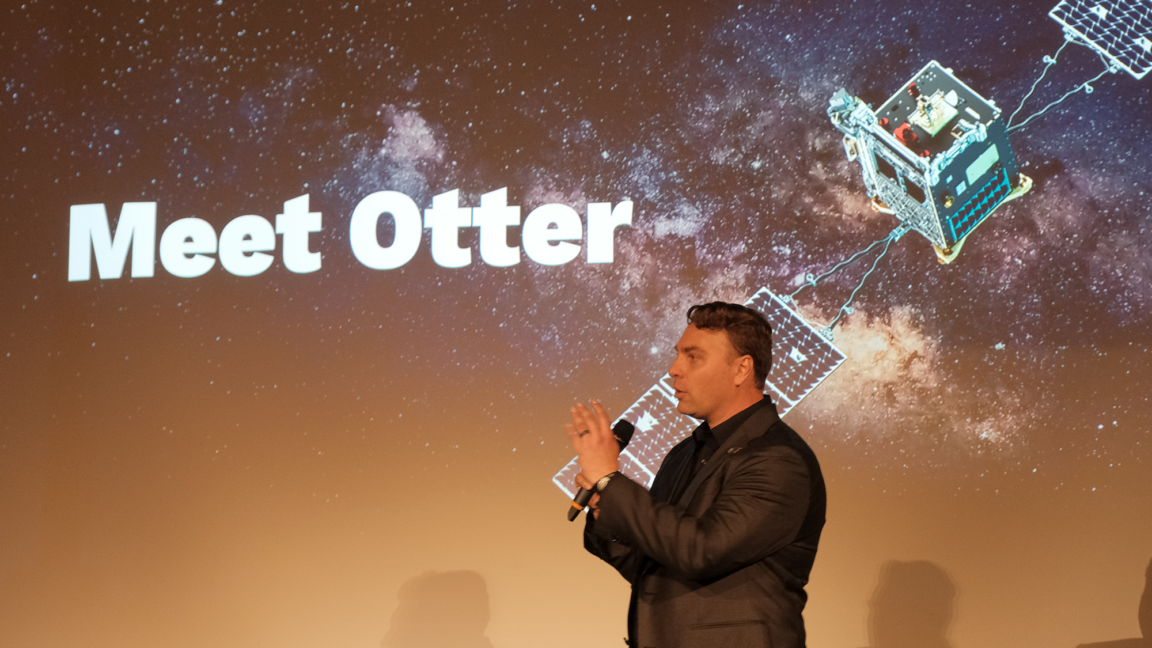
After seven years of development, Starfish Space is finally ready to release its Otter spacecraft into orbit. The startup, founded in 2019 by Trevor Bennett and Austin Link, both former engineers at Blue Origin, has weathered the pandemic and now stands at the threshold of a major operational milestone.
From Blue Origin to Building Otters
Trevor Bennett and Austin Link met while working at Blue Origin, where they witnessed the rapid expansion of satellite constellations and the resulting challenges for orbital sustainability. They left to start Starfish Space with a focus on preserving low-Earth orbit. The company's first product, the Otter, is a small spacecraft capable of docking with existing satellites to perform service tasks. The team has spent years testing and refining the design, overcoming early challenges including the global pandemic that slowed development.
The Challenge of Orbital Congestion
The number of active satellites in low-Earth orbit has skyrocketed in recent years, driven by mega-constellations for internet and Earth observation. This growth raises the risk of collisions and creates a need for active debris removal and satellite life extension. Starfish Space positions its Otters as a practical solution, capable of both servicing aging assets and deorbiting defunct hardware. The upcoming deployment will provide real-world data to validate the approach.
Why This Matters
If the Otter mission succeeds, it could reshape the economics of satellite operations. Operators may no longer need to replace expensive spacecraft after a few years; instead, they can invest in servicing to keep assets running longer. This shift would reduce space debris and lower barriers to maintaining large constellations. The demonstration also signals that small startups can compete with established aerospace giants in the emerging in-space servicing industry. Regulators and insurers will be watching closely, as reliable servicing could become a standard part of satellite lifecycle management.
Broader Implications for the Orbital Economy
The deployment of the Otters comes as several companies vie for a share of the on-orbit services market. Starfish Space’s approach, with its relatively small and agile spacecraft, contrasts with larger, more expensive systems being developed by other players. The company’s resilience through seven years of development, including the pandemic, highlights the persistent demand for sustainable space operations. Success here could accelerate investment and innovation in the sector, making orbital servicing a routine part of spaceflight.