Editor: Porcia Akua Holmes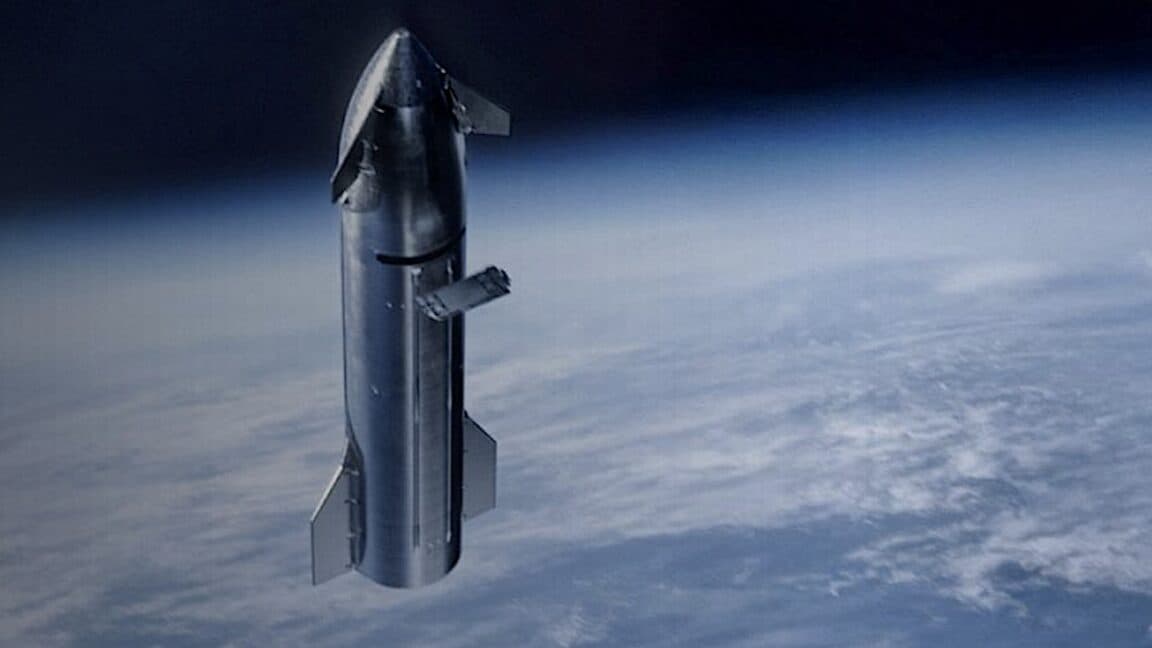
For decades, rocket designers built vehicles around the specific requirements of the payloads they carried. That relationship has now inverted. SpaceX's Starship, with its ability to loft more than 100 metric tons to low-Earth orbit, is forcing satellite makers, military planners and space agencies to rethink what is possible.
The Starship Effect
With a payload bay large enough to accommodate entire satellites that previously required multiple launches, Starship is changing how the industry approaches space architecture. NASA has outlined plans to use Starship to deliver cargo and crews to the Moon. The U.S. military is evaluating its ability to transport equipment to distant theaters. Scientists see an opportunity to launch giant space telescopes that could not fit inside any existing fairing.
The change is not lost on competitors. Rival launch providers and other spacefaring nations, including China, are accelerating their own heavy-lift programs. China, in particular, is developing a vehicle similar to Starship to support its long-term lunar ambitions.
Why This Matters
The reversal of the traditional payload-first design philosophy carries significant consequences. Satellite manufacturers who once optimized for small, efficient launchers may now prioritize durability, volume and redundancy. Launch providers that cannot match Starship's cost per kilogram risk losing their customer base entirely. For the U.S. military and NASA, Starship's capability enables missions that were previously confined to white papers, from lunar bases to rapid global cargo delivery. The realignment also heightens the strategic stakes: the nation that masters this new class of rocket could dominate space infrastructure for decades.
Implications for Industry and Competition
SpaceX has not yet proven Starship operational, and the vehicle remains in an experimental phase. But the mere possibility of its capabilities is already reshaping investment decisions. With a projected cost per kilogram far lower than any current system, Starship threatens to undercut established launch providers. Satellite makers are adapting their designs to take advantage of the extra volume and mass allowance. The dynamic is clear: payloads used to dictate the terms of launch. That is finally changing, and the entire space economy is recalibrating around a single rocket.