Editor: Porcia Akua Holmes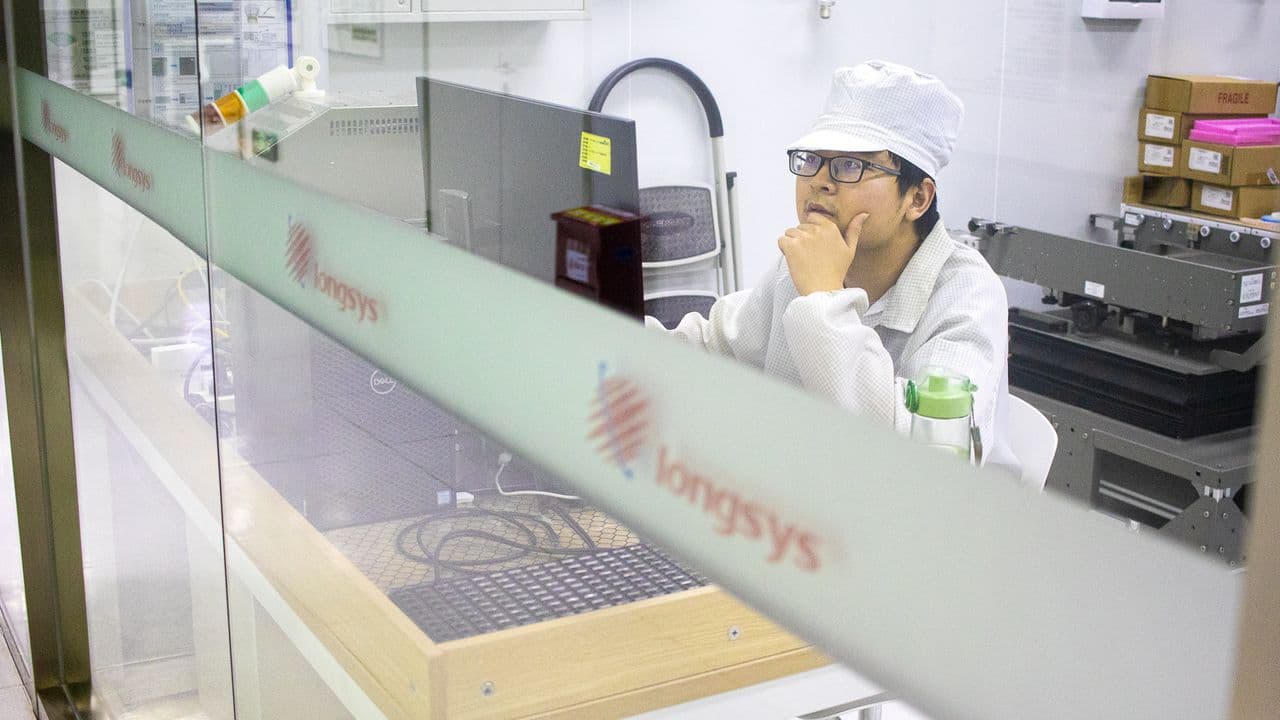
Shenzhen Longsys Electronics, the parent company of memory brand Lexar, expects net profit to surge between 61,818% and 73,636% in the first half of 2026 compared with the same period a year earlier. The forecasted profit of $1.36 billion to $1.62 billion reflects the explosive demand for memory and storage chips fueled by the global artificial intelligence infrastructure buildout.
The Numbers Behind the Surge
Longsys reported that it expects revenue of $3.24 billion to $3.68 billion for the first half of 2026, more than double the $1.5 billion it recorded a year ago. The company attributed this growth to long-term agreements and memoranda of understanding with global memory wafer suppliers to ensure stable access to limited production capacity. The South China Morning Post first reported the financial guidance, which sent Longsys shares up 12.5% on the Shenzhen Stock Exchange over a single weekend. The stock has more than doubled from its lowest point three months ago.
Chinese regulators have also approved a private share placement of up to $544 million to fund research and development on high-end memory products including AI-focused storage solutions and controllers.
Supply Chain Shifts
As AI demand creates a tight market for memory wafers, Chinese brands are turning to domestic chip suppliers. Samsung and SK hynix have warned that AI-driven shortages could persist through 2027, pushing memory prices higher. In response, downstream companies like Longsys are increasingly sourcing from homegrown manufacturers CXMT and YMTC, both of which have been labeled as Chinese military companies by the Pentagon. This shift is not limited to China. U.S. companies such as Corsair, Dell and HP have begun evaluating chips from these suppliers. Apple has reportedly lobbied Washington for access to CXMT memory to secure supply.
Why This Matters
The profit explosion at Longsys signals a deeper structural shift in the global memory market. AI infrastructure demand is creating a permanent floor for memory consumption, squeezing supply for traditional electronics. This will raise costs for PC and smartphone manufacturers, likely pushing consumer retail prices higher. At the same time, Chinese memory suppliers CXMT and YMTC are emerging as viable alternatives to industry incumbents, weakening the dominance of Samsung and SK hynix. The Pentagon's blacklist designations have not stopped Western companies from exploring Chinese silicon, indicating that cost and availability are starting to outweigh geopolitical risks. If this trend continues, the memory supply chain could fragment into competing Western and Chinese ecosystems, reshaping pricing and availability for years to come.