Editor: Porcia Akua Holmes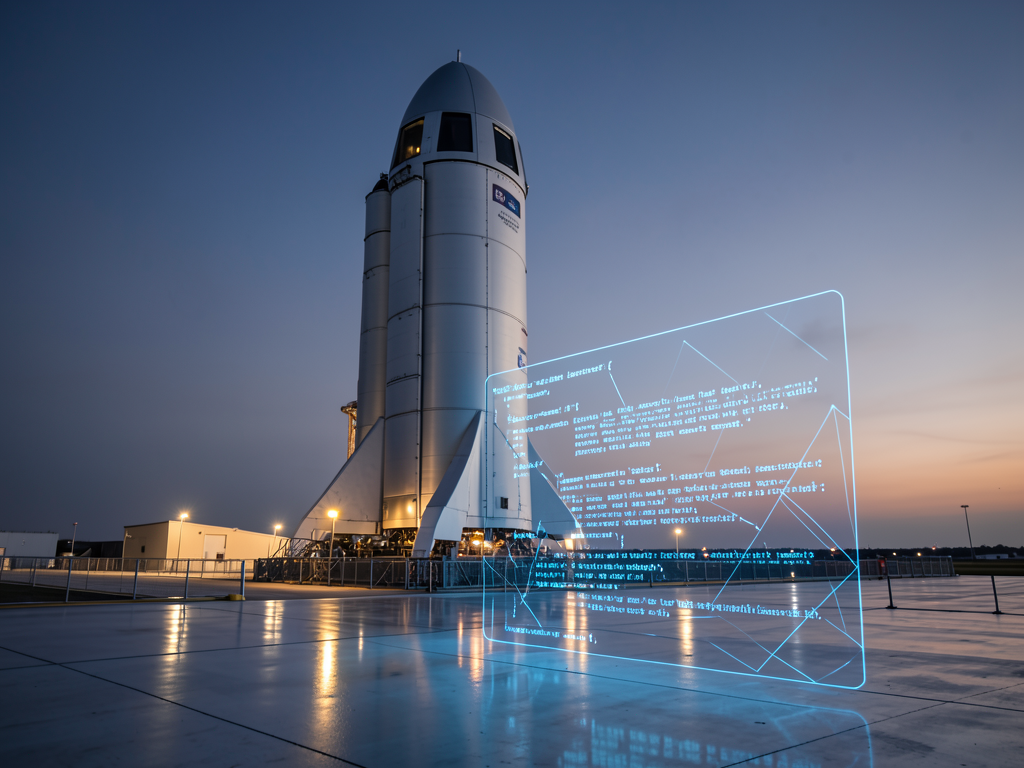
SpaceX’s acquisition of AI coding startup Cursor for $60 billion has single-handedly propelled U.S. startup M&A spending to a record pace in 2026. According to a Crunchbase analysis, total disclosed outlays for venture-backed companies have reached $119.8 billion so far this year, putting the market on track to surpass 2025’s historic tally. Yet the headline figure masks a market increasingly defined by one mega-deal.
The Cursor deal, which closed after SpaceX’s IPO this month, is the largest startup acquisition of all time. It nearly doubles the previous record set by Google’s $32 billion purchase of Wiz. The purchase of Cursor and its parent company Anysphere accounts for roughly half of all 2026 M&A spending on U.S. startups, raising questions about the underlying health of the broader acquisition market.
The Distortion Effect of Megadeals
When a single transaction represents 50% of total deal value, aggregate statistics can mislead. The $60 billion Cursor acquisition dwarfs even the combined price tags of the next nine largest disclosed startup purchases this year, which range from $2 billion to $7 billion. Without SpaceX’s involvement, 2026 would still be a strong year but far from record-breaking.
Historical comparisons underscore the anomaly. The prior record-holder, Google’s Wiz acquisition, stood alone at $32 billion. Facebook’s $19 billion purchase of WhatsApp in 2014 once seemed extraordinary. Now the bar has been raised to a level that will be hard to match in future years unless another tech giant decides to write an even larger check for a private company.
Beyond Cursor: AI and Biotech Drive Consolidation
Excluding the SpaceX deal, 2026’s acquisition landscape still features several blockbuster transactions concentrated in two sectors. Eli Lilly led the charge in biotech, while AI startups drew interest from major tech and financial firms.
Biotech accounted for half of the 10 largest deals, though many of those price tags include milestone payments tied to clinical and commercial success. The pattern suggests that large pharmaceutical companies are aggressively acquiring early-stage therapies rather than building them in-house.
Why This Matters
For startup founders and venture investors, the record M&A spending signals that deep-pocketed acquirers remain eager to buy innovation. The Cursor deal, in particular, shows that even astronomical valuations can find a buyer if the technology aligns with a strategic vision. For employees and early investors, these transactions offer lucrative exits that might not exist in a slower market.
But the concentration of value in a single deal carries risks. When one company like SpaceX accounts for half of the year’s acquisition spending, it amplifies the perception that the startup M&A market is hotter than it actually is for most companies. Smaller startups in sectors outside AI and biotech may find fewer buyers and lower valuations. Regulators, meanwhile, may scrutinize future megadeals more closely as the gap between the largest and average transactions widens.
With the second quarter ending soon, more large deals could emerge. Even if they do, 2026 will be remembered as the year SpaceX rewrote the rules of startup M&A. For everyone else, the fundamental dynamics remain unchanged: acquirers want cutting-edge technology, and they are willing to pay premium prices for it.