Editor: Porcia Akua Holmes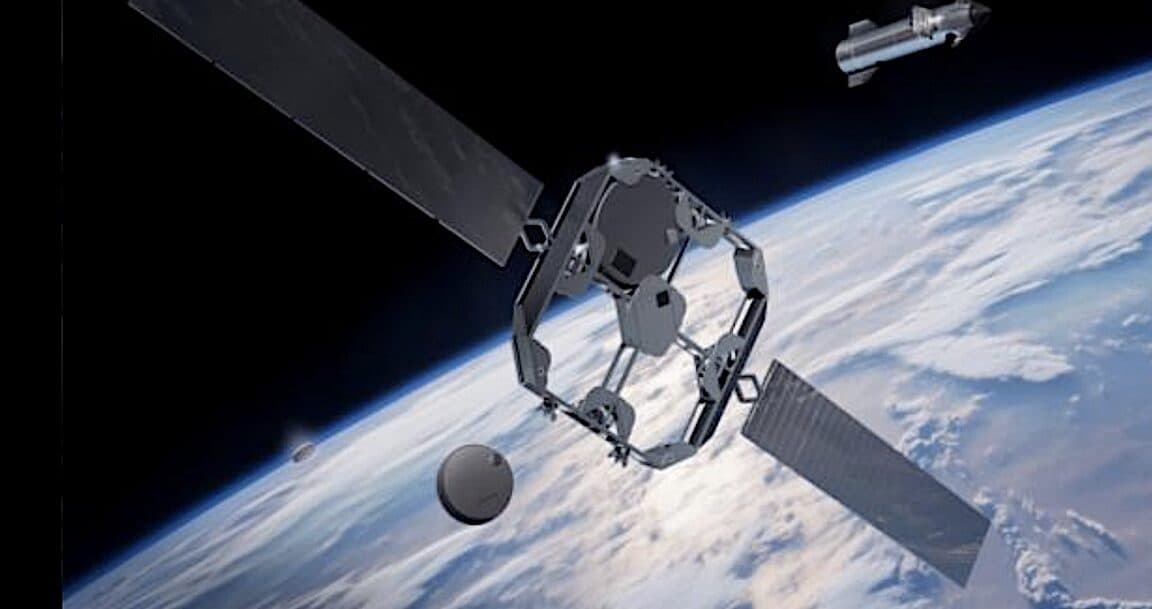
SpaceX is preparing to launch a classified reentry vehicle that could transform how cargo moves around the planet. The company's new Starfall pod, shaped like a saucer, is designed to deliver goods from low-Earth orbit to any location on Earth.
The first test flight is scheduled for Tuesday morning aboard a Falcon 9 rocket from Cape Canaveral Space Force Station in Florida. After completing two orbits, the Falcon 9's upper stage will release Starfall for a controlled reentry and parachute-assisted splashdown in the Pacific Ocean roughly 800 miles west of California.
A Secretive Project Comes Into View
SpaceX developed Starfall under a veil of secrecy. Details emerged only through an environmental assessment published last month by the Federal Aviation Administration. The document describes the vehicle's purpose as supporting the transport and delivery of goods through space.
The pod may ride into orbit alongside another undisclosed payload. This suggests SpaceX is testing multiple capabilities simultaneously or sharing the launch with another customer.
Why This Matters
Starfall represents a potential leap in logistics speed. Traditional air freight can take days to move cargo between continents. A space-based delivery system could shrink that timeline to hours by bypassing conventional shipping routes and customs delays.
The Competitive Landscape
SpaceX is not alone in pursuing orbital cargo delivery. Rivals including Blue Origin and several startups are developing similar concepts. However, SpaceX benefits from its mature Falcon 9 launch infrastructure and reusable rocket technology, which lower per-mission costs compared to competitors still testing prototypes.
The U.S. military has shown strong interest in point-to-point space transport. The Air Force Research Laboratory previously awarded contracts for studies on rocket-delivered cargo. A successful Starfall demonstration could accelerate Pentagon investment in operational systems.
Technical Hurdles Remain
The biggest challenge for orbital cargo delivery is precision landing. Current reentry vehicles like Dragon capsules splash down in broad ocean zones rather than at specific airports or warehouses. Starfall's saucer shape may improve aerodynamic control during descent but achieving pinpoint accuracy requires advanced guidance systems not yet proven at scale.
Regulatory approval also poses obstacles. The FAA must certify any commercial space transportation system for routine operations over populated areas, a process that typically takes years and involves extensive safety reviews.