Editor: Porcia Akua Holmes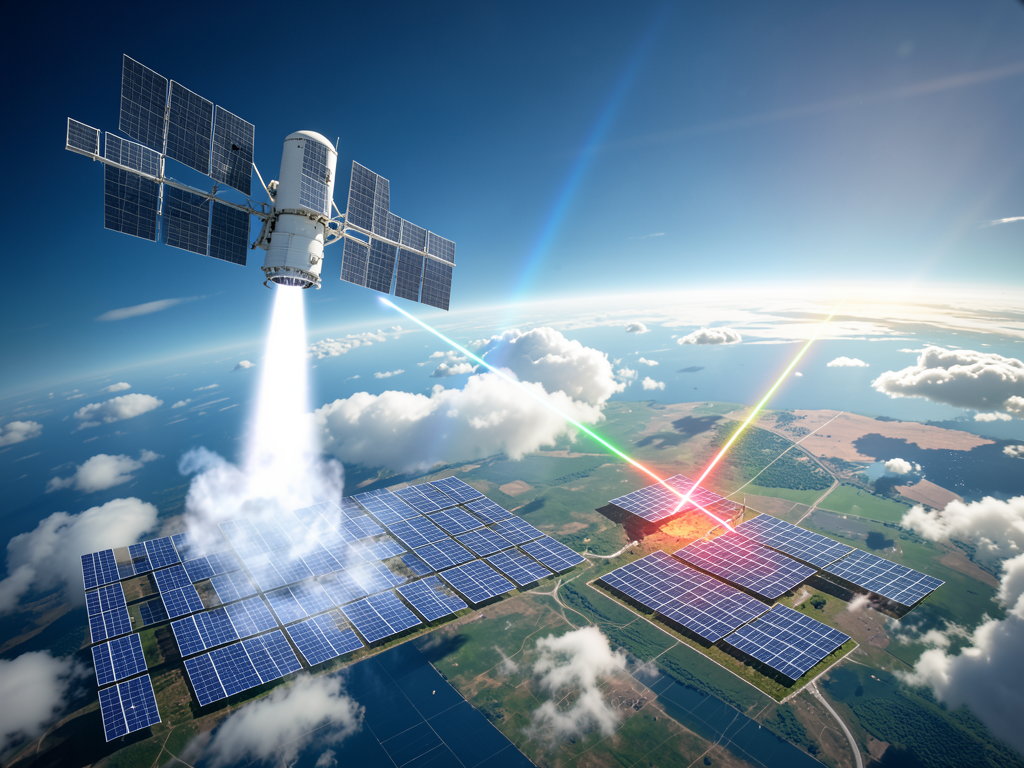
For decades, capturing solar energy in space and sending it to Earth remained a concept confined to science fiction. That is changing as researchers now test two distinct methods for transmitting power from orbit, bringing space-based solar power closer to commercial viability.
What You Need to Know
The Two Competing Systems
Engineers are pursuing two primary pathways to deliver orbital solar energy to Earth. One relies on microwave transmission, while the other uses laser beams. Each method has its own set of advantages and challenges.
Both systems have been demonstrated in laboratory settings and small-scale field tests. Researchers at institutions including NASA and the Japan Aerospace Exploration Agency have conducted experiments showing that wireless power transfer over long distances is technically feasible.
Why This Matters
The promise of space-based solar power lies in its ability to generate electricity around the clock, unaffected by weather or nighttime darkness on Earth. If successfully deployed, it could provide a steady baseload of clean energy without the intermittency problems that plague terrestrial solar farms.
The economic implications are significant. A single large satellite could deliver gigawatts of power, potentially competing with nuclear plants or fossil fuel stations. However, the upfront costs remain enormous, with estimates running into tens of billions of dollars per operational system.
Regulatory hurdles also loom. International agreements governing radio frequencies, orbital slots and liability for potential beam misalignment would need to be updated before commercial deployment can proceed.
What Comes Next
Several private companies and government agencies are moving toward orbital demonstrations within the next decade. The U.S. Air Force Research Laboratory has awarded contracts for prototype hardware, while startups in Europe and Asia are developing smaller-scale systems aimed at niche applications such as powering remote military bases or disaster relief zones.
The choice between microwave and laser transmission may ultimately depend on geography and use case. Desert regions with clear skies could favor lasers, while cloudy coastal areas might require microwave arrays. Hybrid approaches combining both methods are also under consideration.