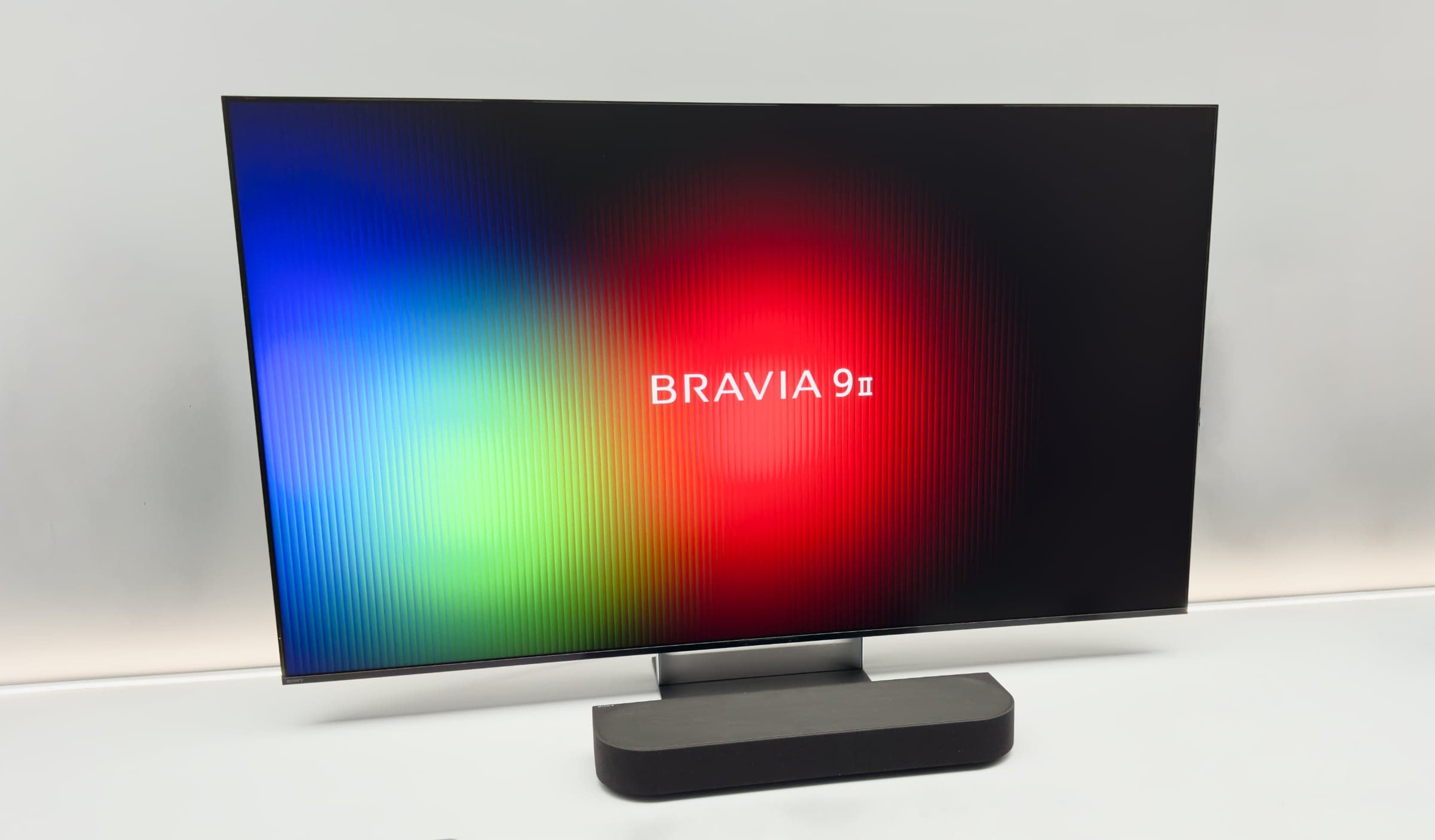
Sony has unveiled two new flagship televisions that aim to reshape home theater picture quality. The Bravia 9 II and Bravia 7 II are the first models to feature the company's True RGB display technology, a significant shift from conventional LED backlighting.
True RGB uses individual red, green and blue LEDs as the light source, rather than the standard white LEDs with color filters. This approach allows the TV to produce purer primary colors and a wider color gamut. Sony claims the technology delivers brighter highlights and deeper blacks without the color blooming seen on many LCD sets.
How True RGB Changes the Picture
Traditional LCD TVs rely on a white LED backlight and a color filter layer to create images. That process loses some light and limits color purity. True RGB bypasses the filter by directly emitting the three primary colors from the backlight. The result is more precise color reproduction and higher peak brightness, especially for HDR content.
The new panels also incorporate Sony's cognitive processor XR, which analyzes scenes and adjusts the backlight in real time. This combination aims to rival OLED performance in contrast and color volume while maintaining the brightness advantages of LCD.
Why This Matters
For consumers who demand top-tier image quality, True RGB represents a tangible step forward. Home theater enthusiasts and gamers will benefit from the expanded color space and reduced motion blur. The technology also addresses a key trade-off in high-end TVs: OLED offers perfect blacks but lower brightness, while traditional LCD is bright but struggles with color accuracy. True RGB narrows that gap.
However, the new panels are likely expensive. Sony typically prices its Bravia series at a premium, and the added manufacturing complexity of RGB backlighting could push costs higher. Buyers should also consider that competing technologies, such as mini-LED and QD-OLED, continue to improve rapidly.
Market and Availability
Sony has not announced exact pricing or release dates for the Bravia 9 II and Bravia 7 II. But the company is expected to target the high end of the consumer TV market, where image quality is the primary selling point. The models will compete directly with Samsung's Neo QLED and LG's G-series OLEDs.
Early adopters should weigh the benefits of True RGB against the inevitable price premium. For most viewers, standard high-end LCD or OLED will remain excellent choices. But for those chasing reference-level color accuracy, Sony's latest offering may be worth the wait.