Editor: Porcia Akua Holmes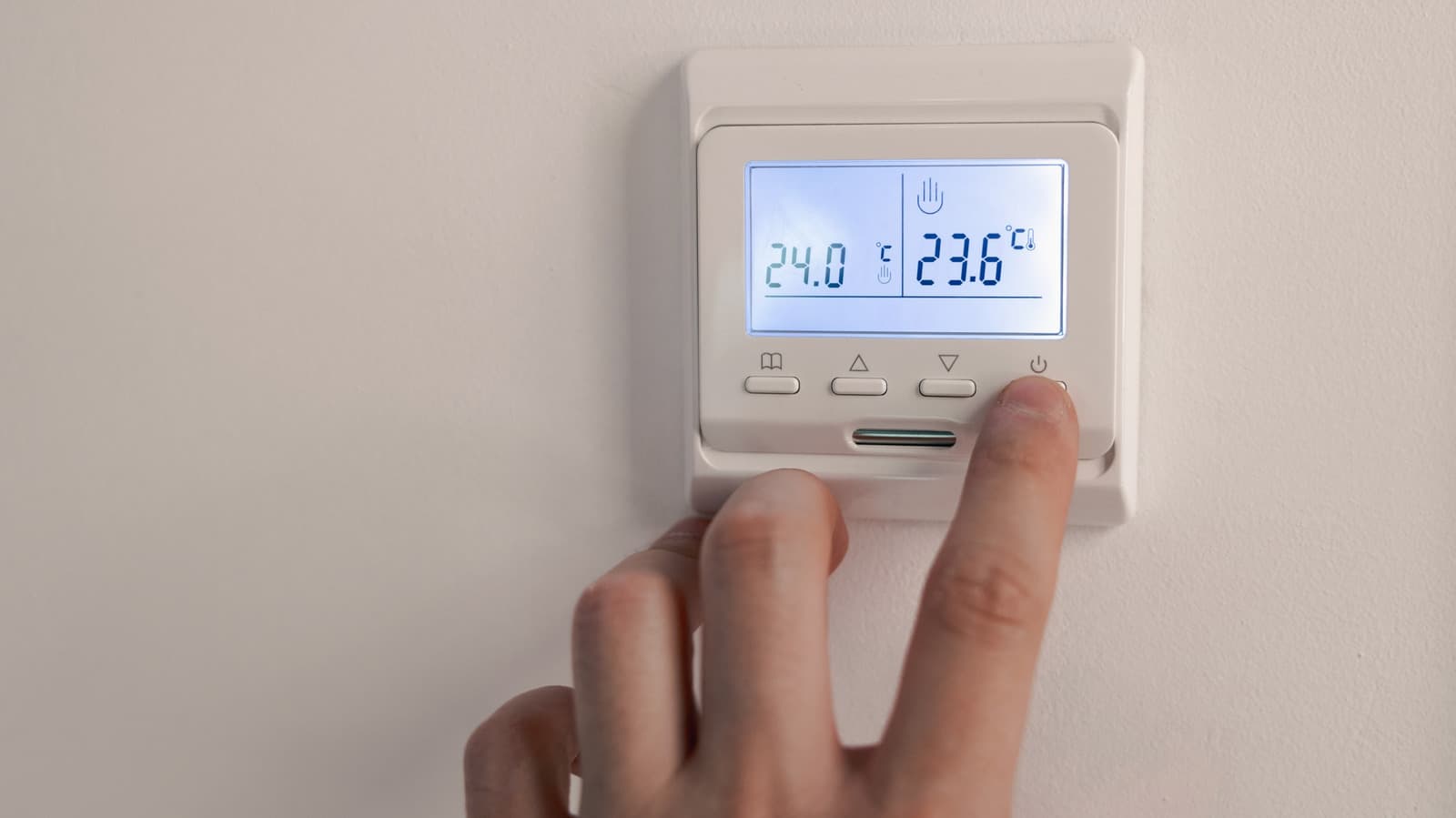
A report titled "Major Benefits Of A Smart Home Thermostat You Shouldn, Ignore It" underscores a fundamental shift in how households approach energy use. Smart thermostats, once a niche gadget for early adopters, are now a mainstream fixture in American homes. Utility companies, climate policy and falling hardware costs are accelerating this transition, turning a simple temperature controller into a cornerstone of modern home energy management.
From Convenience to Essential Infrastructure
Early smart thermostats marketed themselves primarily on remote control and novelty. Today the value proposition has broadened significantly. These devices now incorporate machine learning algorithms that study occupant behavior, weather patterns and home insulation characteristics. Over time they adjust schedules automatically to optimize comfort while minimizing energy waste. This shift from manual convenience to automated efficiency has made the technology a key tool in reducing household carbon footprints.
The market leaders, including Nest and Ecobee, have added features such as occupancy sensors, geofencing and integration with renewable energy systems. These capabilities allow the thermostat to pre-heat or pre-cool a home based on when residents are likely to arrive, or to postpone energy-intensive cycles when solar generation dips.
Why This Matters
The implications of widespread smart thermostat adoption extend well beyond individual household bills. As more homes install these devices, utilities gain a distributed network of responsive load assets that can help balance the electricity grid. During heat waves or cold snaps, aggregated thermostat adjustments can prevent blackouts without requiring new power plants. For homeowners, the financial case strengthens each year as energy prices rise and rebate programs expand. The technology also supports climate goals by reducing total residential energy consumption, which accounts for roughly 20 percent of U.S. greenhouse gas emissions.
Consumers, however, should weigh a few trade-offs. Compatibility with older HVAC systems remains a concern. Some users report that learning algorithms take weeks to stabilize, and poor Wi-Fi connectivity can render advanced features useless. Privacy advocates also caution that detailed occupancy data could be shared with third parties, though major manufacturers offer opt-out controls.
Consumer Considerations
Before purchasing a smart thermostat, homeowners should verify compatibility with their existing heating and cooling equipment. Most manufacturers provide online compatibility checkers. Installation is generally straightforward for those comfortable with basic wiring, but professional installation is available for a fee. Long-term savings typically recoup the purchase price within one to two years, especially when combined with utility rebates.