Senior Editor: Alan Agbele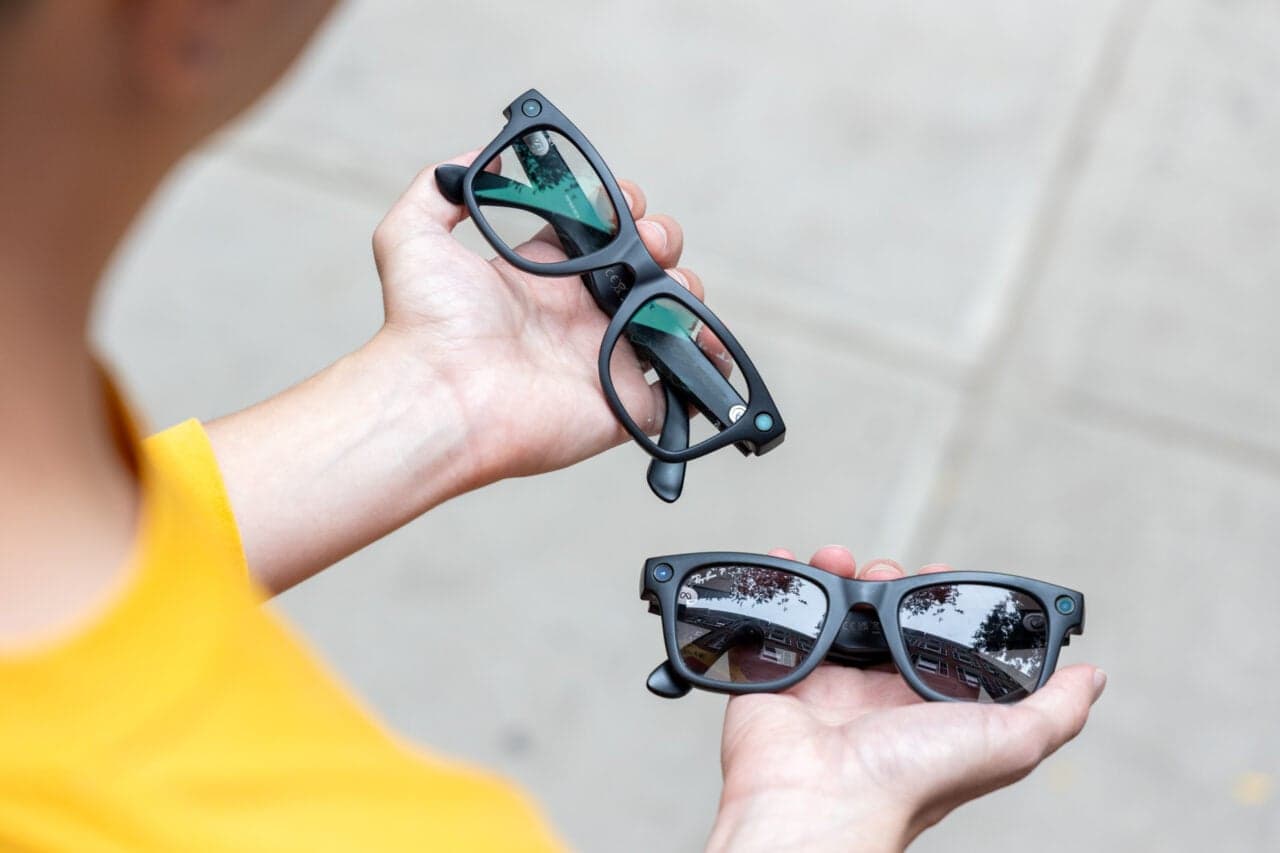
The National Football League and Major League Baseball have updated their policies to prohibit smart glasses from stadiums and arenas during games. Devices such as Meta's Ray-Ban Stories and other augmented reality eyewear are now banned under new rules aimed at preventing betting-related misconduct.
Why the Crackdown
Smart glasses can stream live video or display data without obvious detection. League officials worry that fans or staff wearing these devices could relay real-time game action to bettors outside the venue or share nonpublic information about injuries and play calls.
The concern extends beyond simple streaming. Some smart glasses can overlay odds or player statistics onto the wearer's field of view while a game is happening.
Which Leagues Are Affected
The NFL announced its ban in a memo sent to all 32 teams this week. MLB followed with its own directive covering all ballparks during regular season and playoff games.
The NBA has not issued a formal policy yet but is reviewing its stance on wearable cameras after several incidents involving fans recording court-side action.
Why This Matters
For fans who rely on smart glasses for accessibility features such as audio descriptions or magnification tools these bans create real barriers to enjoying live events.
The restrictions also raise questions about privacy enforcement inside stadiums where security personnel may need to inspect personal electronics more aggressively.
Sports gambling has expanded rapidly across the United States since 2018 when the Supreme Court struck down federal prohibitions on state authorized wagering.
A Growing Regulatory Challenge
Leagues now face pressure to keep up with fast evolving consumer technology while maintaining fair competition protecting player safety and preserving fan experience.
- The NFL says violators risk ejection from stadiums plus possible revocation of season tickets
- MLB warns that employees caught using banned devices face disciplinary action including termination
What Comes Next
Other major sports organizations including FIFA UEFA and international tennis federations are expected to review their own policies before major tournaments later this year.