Senior Editor: Alan Agbele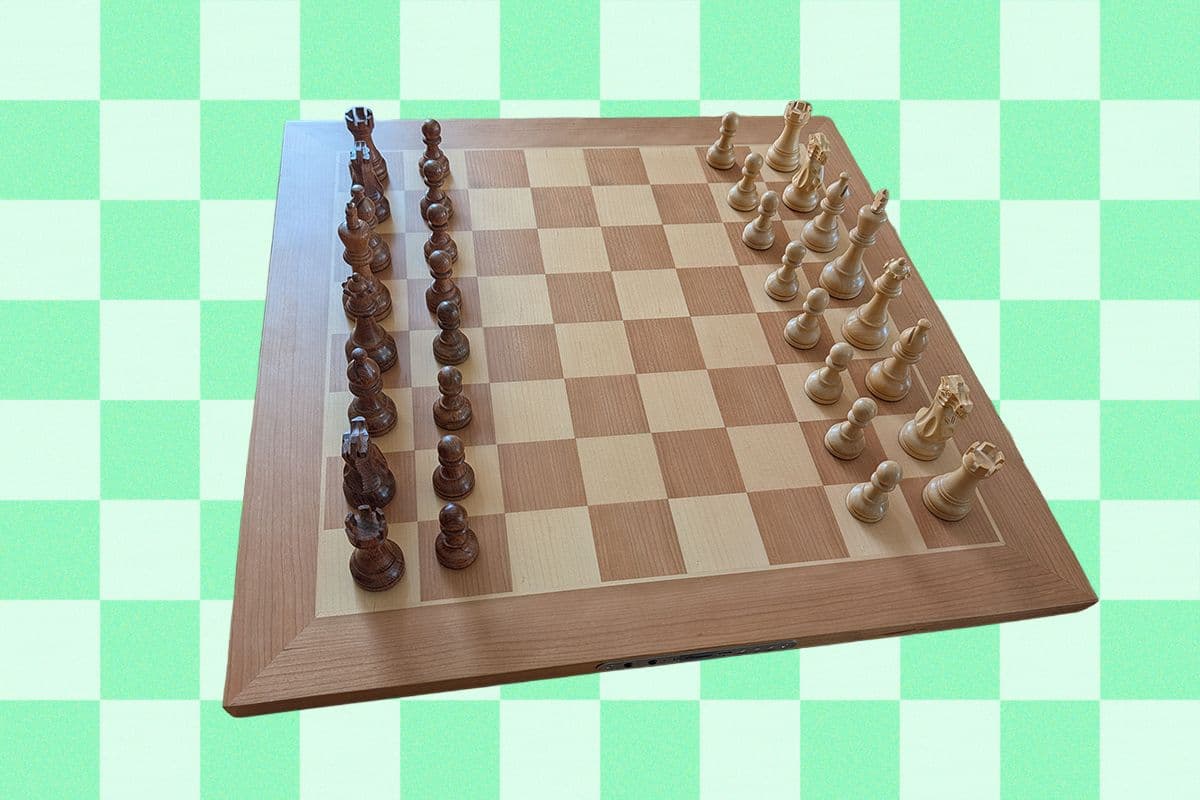
A quiet revolution is transforming the way chess is played and studied. Smart chess boards that blend traditional physical pieces with digital connectivity are gaining traction among serious players and casual enthusiasts alike. Two companies, Chessnut and Millennium, have emerged as the dominant forces in this niche market, each offering distinct approaches to merging the analog and digital chess experience.
The Rise of Connected Chess Hardware
Smart chess boards use sensors or magnetic recognition to track every move on a physical board and transmit that data to connected apps or online platforms. This allows players to compete against opponents anywhere in the world while still touching real pieces. The technology has been around for years but recent improvements in sensor accuracy, battery life and software integration have made these boards more practical for daily use.
Chessnut has gained attention with its Chessnut Air board, a sleek and portable option. Millennium counters with the Millennium eOne, a board designed for durability and compatibility with major chess software. Both products connect to services like Chess.com and Lichess, giving players access to millions of opponents and powerful analysis engines.
Key Differences in Design and Philosophy
The two brands approach the smart board category from different angles. Chessnut emphasizes a lightweight, modern aesthetic with a focus on ease of use and seamless app integration. The Chessnut Air uses a rechargeable battery and connects via Bluetooth or Wi-Fi, making it a strong choice for on-the-go play.
Millennium, by contrast, builds boards that feel more like traditional tournament equipment. The Millennium eone features a thicker wooden frame and a more robust piece set. It supports multiple power options including USB and batteries. For players who prefer a board that feels like a standard tournament board, Millennium offers a closer analogue to the traditional experience.
Why This Matters
Smart chess boards are reshaping how players train and compete. For serious club players, the ability to analyze every move in real time on a digital platform while playing on a physical board provides a powerful learning tool. Casual players benefit from the convenience of online matchmaking without sacrificing the tactile pleasure of moving wooden pieces. The growing popularity of chess following the pandemic has accelerated demand for these hybrid devices. Manufacturers are responding by improving affordability and feature sets. As more players adopt smart boards, the line between online and over-the-board play continues to blur. This shift has implications for tournament organizers, coaches and even governing bodies like FIDE as they consider how to integrate digital tools into official competitions.
The Future of Hybrid Chess
Both Chessnut and Millennium continue to refine their products. Future updates may include voice control, enhanced AI coaching and better integration with cloud-based databases. The competition between the two companies is likely to drive down prices and increase innovation, making smart boards more accessible to a wider audience. For now, players choosing between Chessnut and Millennium face a tradeoff between portability and traditional feel. Either option offers a significant upgrade from a standard chess set for anyone serious about improving their game.