Senior Editor: Alan Agbele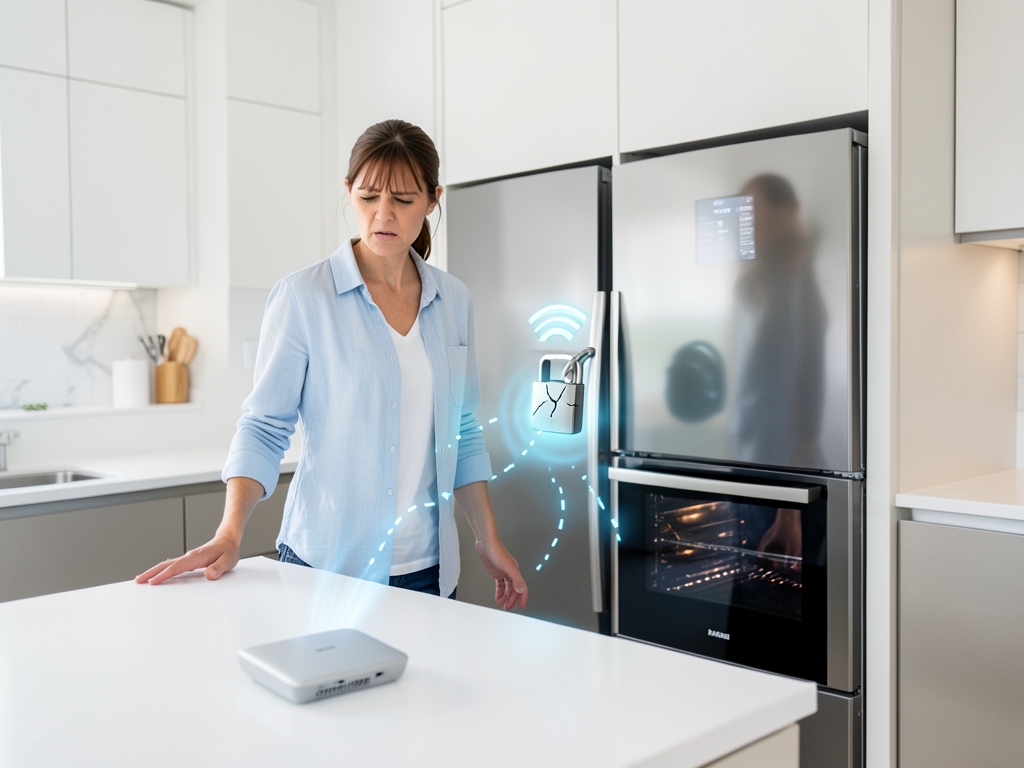
The rapid adoption of connected appliances has revealed a persistent gap between advanced technology and homeowner understanding. A recent analysis of user experiences, often summarized under the heading "Common Mistakes Homeowners Make With Smart Appliances," highlights a pattern of avoidable errors that diminish device performance and security.
The Connectivity Challenge
A leading source of frustration involves unreliable Wi-Fi connections. Many smart appliances rely on a stable 2.4 GHz network, yet homeowners frequently place routers too far away or fail to account for signal interference from walls and other electronics. Inconsistent connectivity causes devices to drop offline, miss commands or fail to deliver energy savings. Industry surveys indicate that nearly one-third of smart appliance returns stem from network-related complaints.
Security Oversights
Another critical area is device security. Many homeowners leave factory-default passwords unchanged or skip enabling two-factor authentication. Smart appliances that remain on the same network as laptops and phones pose a risk if compromised. Attackers can exploit vulnerable refrigerators, ovens or washing machines to gain access to personal data. A 2024 study found that over 40% of smart home devices had not received a security update in the previous year.
Why This Matters
The consequences of these mistakes extend beyond individual inconvenience. As the number of connected homes grows, unresolved security gaps could fuel larger-scale attacks on home networks and even municipal infrastructure. Energy inefficiency from poorly configured devices also undermines sustainability goals. For manufacturers, the persistence of these errors signals a need for simpler setup processes and better in-app guidance. Homeowners who address these common problems can unlock the full potential of their devices while protecting their privacy and investment.
Smart Integration Lessons
Many users also struggle with interoperability. Appliances from different brands often fail to communicate smoothly, forcing homeowners to juggle multiple apps. The mistake is assuming all smart devices work together out of the box. Research suggests that checking compatibility with major platforms such as Matter or Apple HomeKit before purchase reduces later frustration. Consumers, however, frequently overlook this step until after installation.