Editor: Porcia Akua Holmes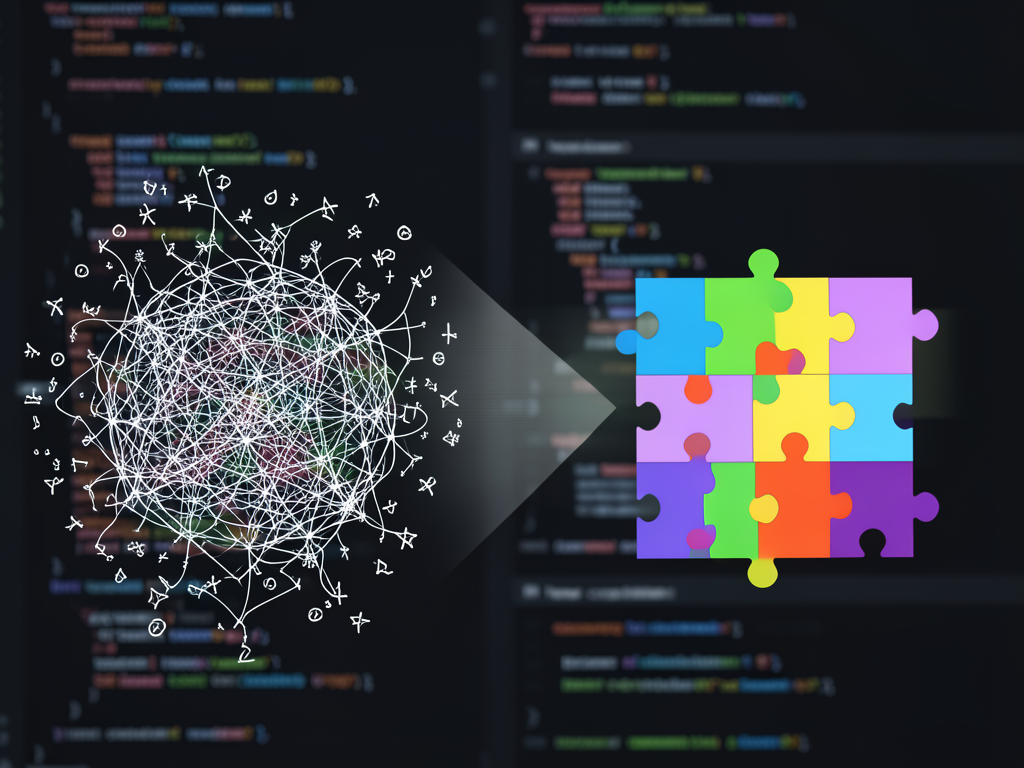
Parsers have long been one of the most intimidating components in software engineering. Traditional tools like YACC and ANTLR treat parsing as a formal language problem, demanding significant upfront investment in grammar files and generated code. That model is now being challenged by a simpler philosophy: parsers do not have to be complicated.
Why Simple Parsers Are Gaining Traction
Modern programming languages and frameworks have shifted the economics of parsing. Hand-written parsers, once considered too error-prone for production use, now benefit from mature testing tools and pattern libraries. Parser combinators, which allow developers to build parsers from small reusable functions, have become especially popular in the Rust and Haskell ecosystems. PEG parsers, which define grammars as a set of ordered choices, eliminate the ambiguity problems that plague other formalisms.
Why This Matters
The move toward simpler parsers has direct consequences for software quality and developer productivity. Teams that adopt hand-written or combinator-based parsers report fewer bugs related to edge cases and encoding errors. The learning curve for new contributors drops sharply because the parsing logic is explicit and readable. For startups and small teams, this means they can build custom language tools, configuration parsers and protocol handlers without hiring a specialist in formal language theory. The long-term effect is a broader democratization of a skill that was once the domain of compiler engineers.
Practical Approaches in Use Today
Several open-source libraries exemplify this trend. In Rust, the nom library provides a combinators approach that is both fast and ergonomic. The pest parser uses PEG grammar files that are easy to read and maintain. In the Python world, the built-in ast module and third-party tools like lark offer simple ways to build custom parsers without heavy tooling.
These tools reflect a broader industry realization: parsers do not need to be complicated. By choosing simplicity, developers can write parsing code that is easier to understand, test and maintain. The result is more reliable software and faster iteration cycles.