Senior Editor: Alan Agbele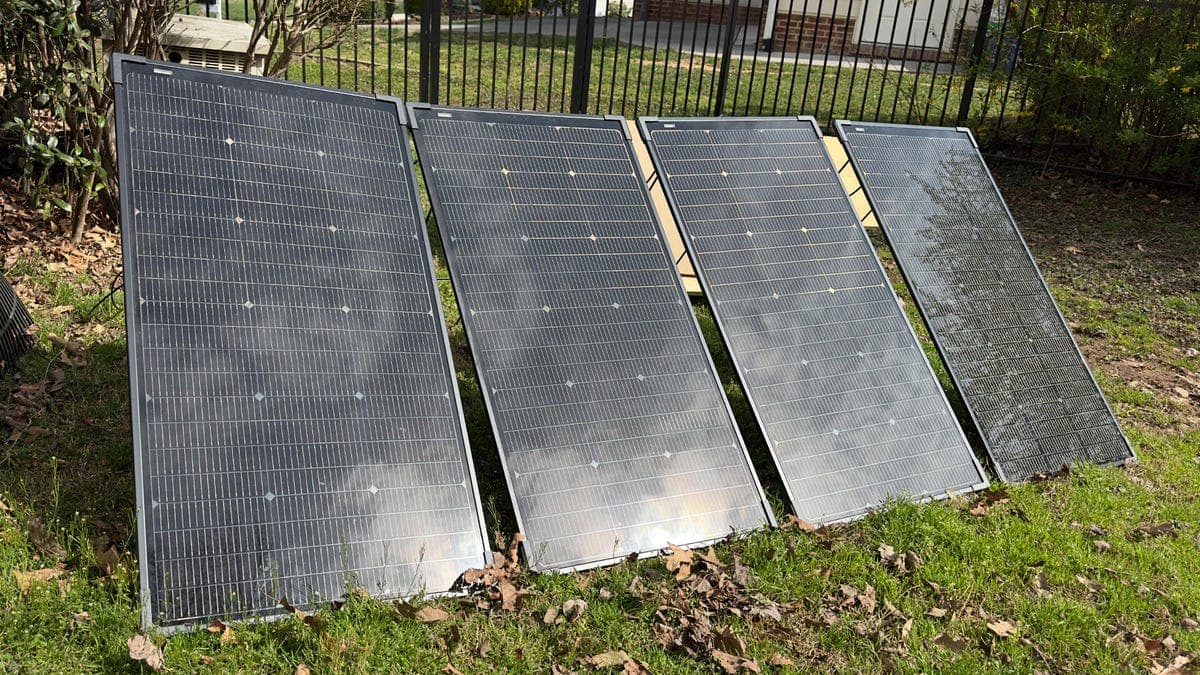
Solar generators have become essential for households facing increasingly severe weather. But owning one is only half the battle. Keeping it operational when storms hit requires deliberate preparation.
Years of emergency readiness have taught one experienced prepper that standard storage and usage habits fall short during extreme conditions. Water intrusion, voltage surges and physical damage pose real threats to these systems.
The Hidden Vulnerabilities
Most solar generators are designed for outdoor use but few are truly waterproof. Heavy rain can seep into ventilation ports and electrical connections. Even units rated IP65 can fail if water pools around them.
Windborne debris presents another danger. During hurricanes or tornadoes, flying objects can crack solar panels or dent battery casings. A single impact can render the entire system useless.
Surge protection is often overlooked. When grid power flickers before an outage, voltage spikes can damage sensitive inverter components inside the generator.
Practical Storm-Proofing Steps
The prepper recommends elevating generators off the ground using concrete blocks or a dedicated stand. This prevents floodwater from reaching critical components.
Covering the unit with a breathable waterproof tarp helps deflect rain while allowing heat to escape. Sealing unused ports with silicone caps adds another layer of defense.
For solar panels, removable mounting systems allow quick disassembly before high winds arrive. Storing panels indoors during storms eliminates the risk of debris damage.
A dedicated surge protector rated for generator use should be installed between the unit and any connected appliances. This protects both the generator and downstream electronics.
Why This Matters
More households rely on solar generators for backup power during outages caused by hurricanes, wildfires and winter storms. A damaged generator means no power for medical devices, refrigeration or communication equipment.
The financial cost is also significant. High-capacity solar generators cost thousands of dollars. Replacing one after a single storm is an expense many families cannot absorb.
Insurance policies often exclude damage from flooding or wind for portable electronics. Owners bear the full replacement cost unless they take preventive measures.
As climate patterns shift, severe weather events are becoming more frequent and intense. The window for preparation shrinks each year. Simple protective steps taken now can mean the difference between having power and losing it entirely when the next storm hits.