Editor: Porcia Akua Holmes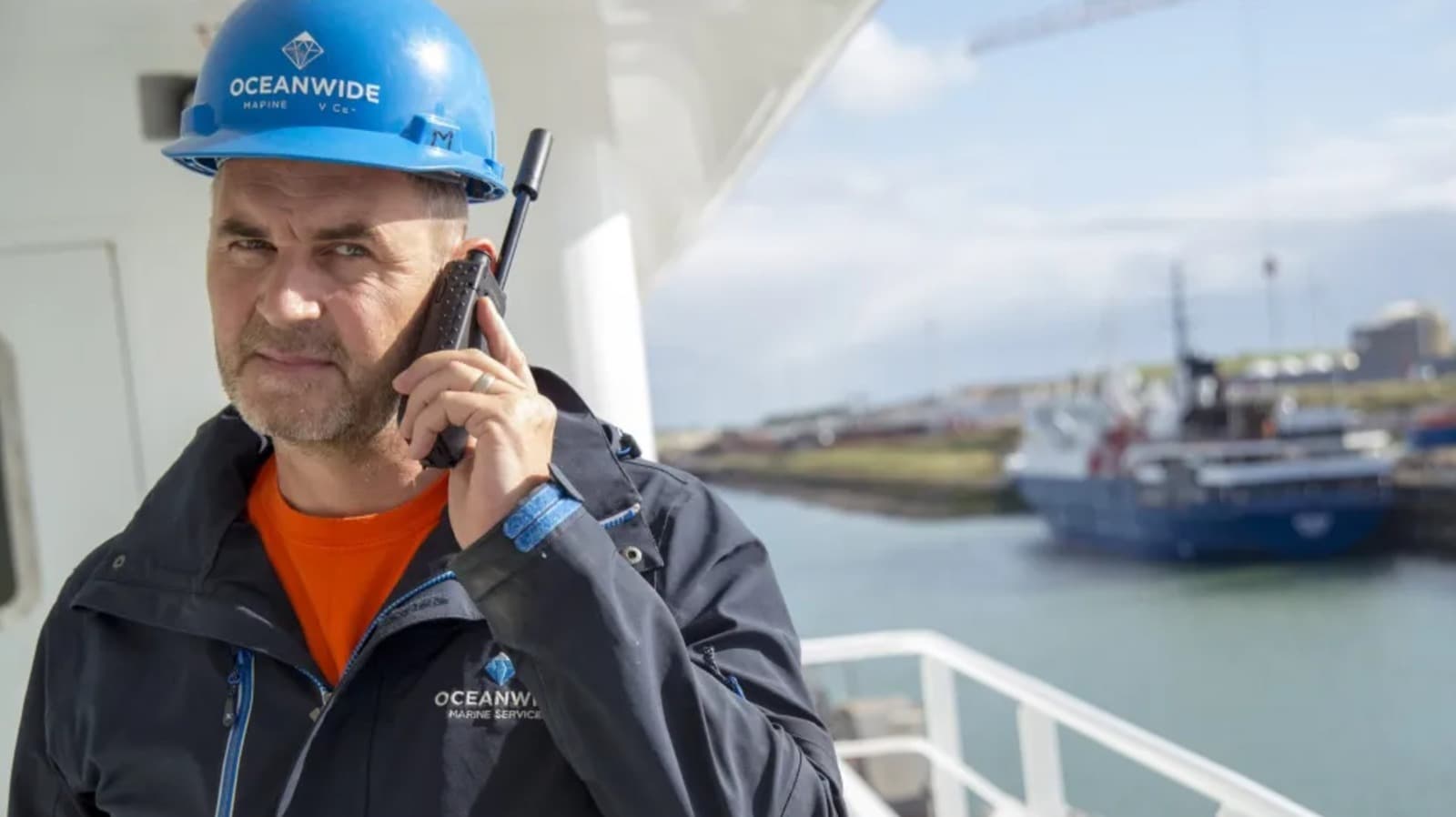
Satellite phones can make calls from nearly anywhere on Earth, but most people still reach for a cellular device. The question “Why don’t people use satellite phones?” has persisted for decades, and the answer reveals a mix of economic, technological and behavioral barriers that keep these rugged devices on the fringes of consumer tech.
The Historical Promise and Real-World Trade-Offs
Satellite communication predates cellular networks. The first satellite phone services, built on low-earth orbit constellations like Iridium, launched in the late 1990s. They delivered a critical feature: connectivity where no cell tower reaches. But the trade-offs were steep. Handsets often cost over $1,000, per-minute rates ran $1 to $3, and the devices themselves were heavy, with large antennas that made pocket carry impractical.
Cell phones, by contrast, offered cheap plans, slim designs and rapidly improving coverage in urban centers. For the vast majority of users, the compromise of occasional dead zones was acceptable. Satellite phones remained a specialist tool for aid workers, oil rig operators and maritime crews.
Why Satellite Adoption Stayed Low
Three main factors limited mainstream adoption:
These barriers created a self-reinforcing cycle: low demand kept manufacturing volumes small, which kept prices high, which further limited demand.
The Resurgence Through Hybrid Approaches
In recent years, companies have taken a different route. Instead of selling separate satellite phones, they are embedding satellite connectivity into standard smartphones. Apple’s iPhone 14 and later models include an Emergency SOS feature that uses Globalstar’s satellite network. T-Mobile and SpaceX’s Starlink announced plans to provide direct-to-cell satellite coverage. These hybrids reduce the need for a dedicated device while still offering emergency connectivity in dead zones.
The shift is significant. It lowers the entry barrier: users already carry the hardware, and basic satellite messaging can be included at little extra cost. If these services expand to voice calls, the distinction between a cell phone and a satellite phone will fade.
Why This Matters
Broad access to satellite connectivity changes the safety equation for outdoor enthusiasts, rural residents and travelers in disaster-prone regions. A hiker without cell service can still send an SOS. A community recovering from a hurricane can maintain a link when towers are down. As satellite links become a standard smartphone feature, the question “Why don’t people use satellite phones?” may become obsolete. The answer in a few years could be: they do, but they don’t know it.
The implications for telecom infrastructure are also large. Cellular carriers will face pressure to integrate satellite options, and regulators may need to update spectrum and emergency services rules. The market for dedicated satellite handsets will likely shrink further, but the technology’s core purpose — reliable coverage everywhere — will finally reach the mass market.