Editor: Porcia Akua Holmes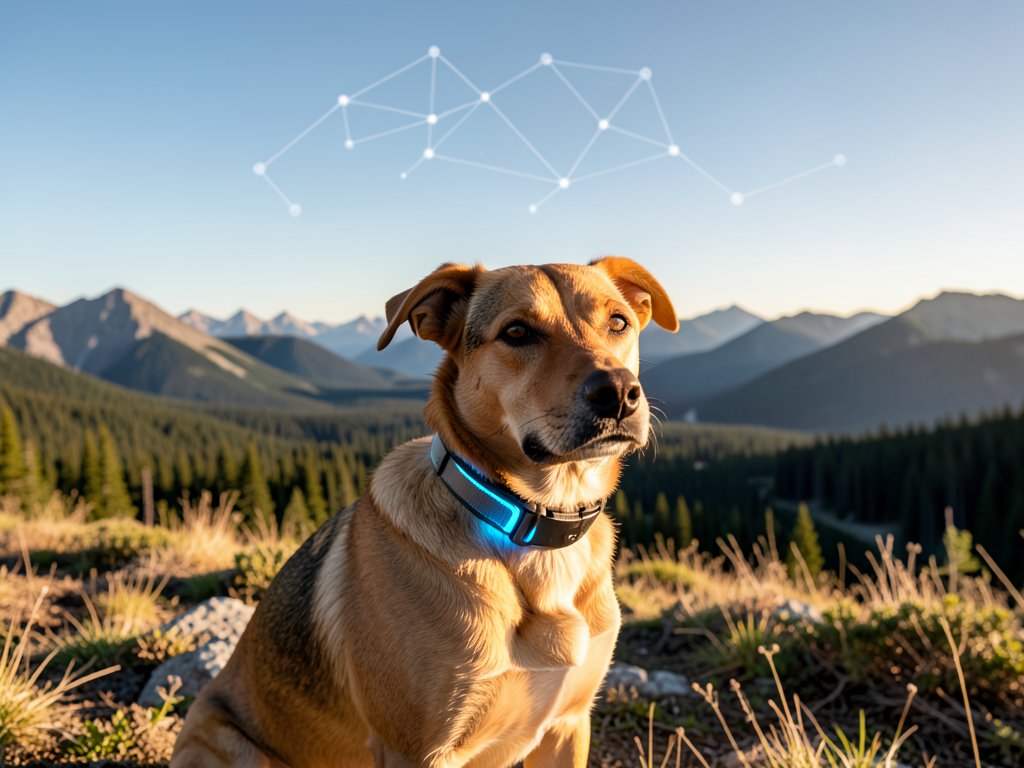
Pet owners in remote areas have long faced a blind spot in wireless tracking: once a dog wanders beyond cellular range, its location disappears from the app. The Fi Ultra collar, launched this week, aims to close that gap by tapping into Starlink satellite connectivity. This collar is the first consumer pet tracker designed to work independently of cellular networks.
Satellite Meets the Collar
Standard pet trackers rely on GPS to determine a dog's position and then send that data to the owner's phone through a cellular network. When the collar leaves cell tower range, the signal drops and the owner loses visibility. The Fi Ultra circumvents this by offloading location data via Starlink, the low-Earth-orbit satellite constellation operated by SpaceX. The collar periodically syncs position information with the satellite network, which then relays it to the Fi app, so owners can see where their pet is even deep in the wilderness.
Fi partnered with T-Satellite, a connectivity services provider, to integrate Starlink into the collar's firmware and hardware design. T-Satellite handles the satellite data link, while Fi's software translates that into a simple map view for users. The result is a tracking solution that works across both cellular and satellite modes, intelligently switching between networks as coverage changes.
Practical Gains for Pet Owners
Rural dog owners, hikers and people who live near forests or mountains have most to gain from satellite-based tracking. The technology promises to shrink the risk of losing a pet that runs off into areas where cell towers are sparse or nonexistent. Owners, however, should weigh a few factors before switching:
Why This Matters
Satellite connectivity has been trickling into consumer devices beyond phones, from satellite messenger beacons to emergency SOS features on smartwatches. The Fi Ultra signals that pet technology is now part of that shift. For owners who live near wild areas or take dogs on off-grid trips, the collar offers a safety net that simply did not exist before at a consumer price point.
The deeper implication is economic. As satellite hardware costs drop and constellations expand, more everyday gadgets will integrate direct-to-satellite links. Pet trackers represent just one early application; similar technology could soon appear on livestock collars, adventure gear and vehicle trackers. Fi's move also pressures competitors to include satellite support or risk losing the rural customer segment. Over time, the partnership between T-Satellite and Starlink may become a go-to back end for IoT devices that need coverage beyond cellular boundaries.