Senior Editor: Alan Agbele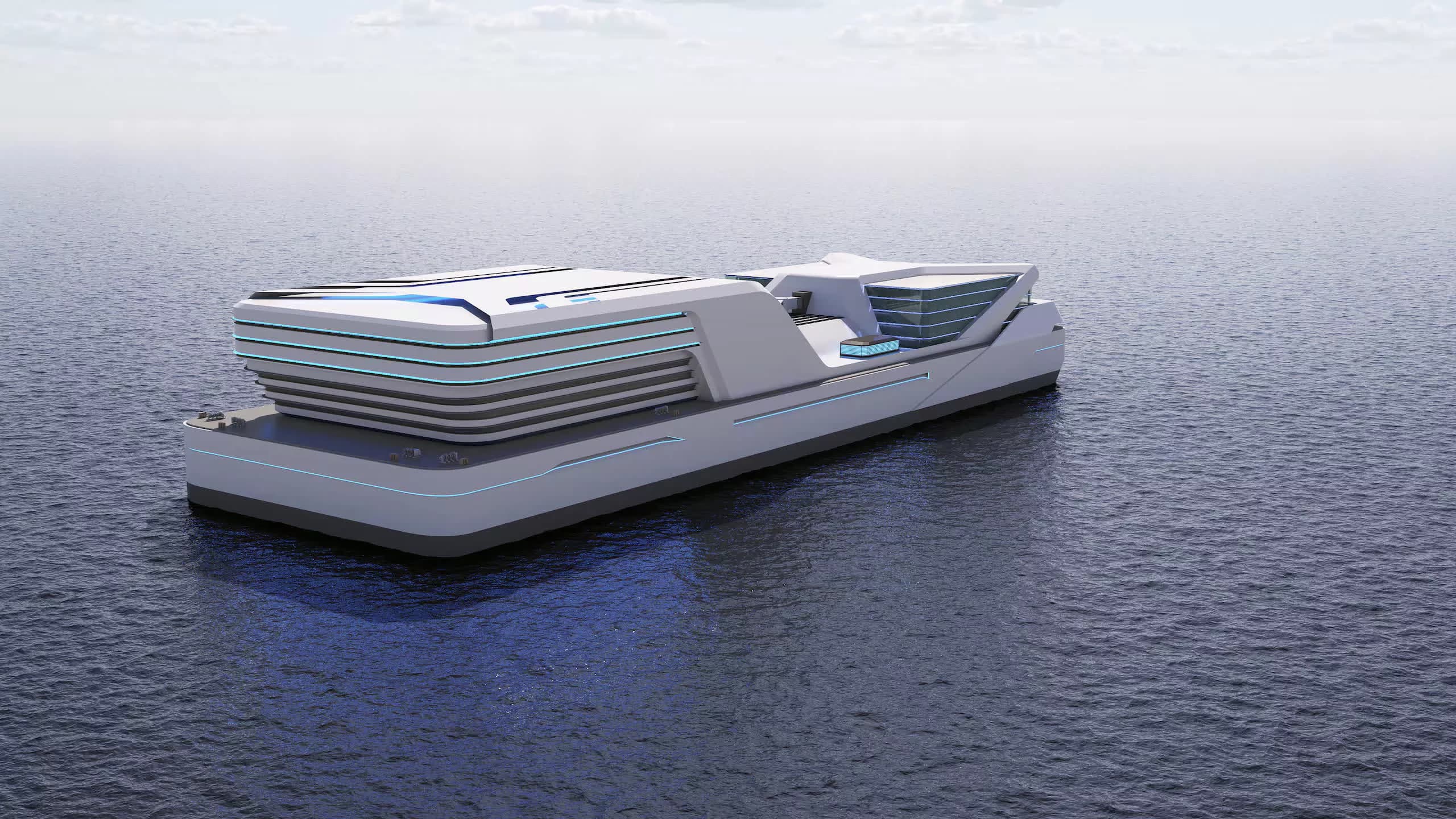
Samsung Heavy Industries has obtained regulatory approval to construct floating data centers mounted on ships marking a significant step toward offshore computing infrastructure. The South Korean shipbuilder is collaborating with multiple partners to develop its Floating Data Center (FDC) concept which aims to house server racks inside converted vessels.
The move comes as demand for data processing capacity surges driven by artificial intelligence workloads while land-based facilities face rising energy costs cooling constraints and permitting delays.
The Floating Data Center Concept
Samsung's FDC design involves repurposing large cargo vessels into self-contained computing hubs equipped with onboard power generation and liquid cooling systems. The ships would anchor near coastal cities connecting to terrestrial networks via submarine cables.
This approach allows operators to bypass many of the logistical hurdles associated with traditional data center construction including lengthy zoning approvals and limited access to renewable energy sources.
Why This Matters
Floating data centers could dramatically reduce deployment timelines from years to months while offering built-in disaster resilience against earthquakes floods and other land-based threats.
For technology companies struggling to secure enough compute capacity near major population centers these maritime facilities provide a flexible alternative that can be relocated as demand shifts.
The concept also addresses growing concerns about water consumption since onboard cooling systems can use seawater directly eliminating strain on municipal supplies.
Industry Context
Samsung is not alone in exploring ocean-based computing infrastructure earlier this year Hitachi announced a partnership with Mitsui O.S.K Lines to develop similar floating AI data center systems.
The race reflects broader industry recognition that traditional landlocked facilities may not scale fast enough to meet projected growth in cloud services edge computing and generative AI applications.
Regulatory clearance gives Samsung a first-mover advantage though questions remain about maintenance logistics cybersecurity risks at sea and long-term environmental impact of operating large electronics in marine environments.