Editor: Porcia Akua Holmes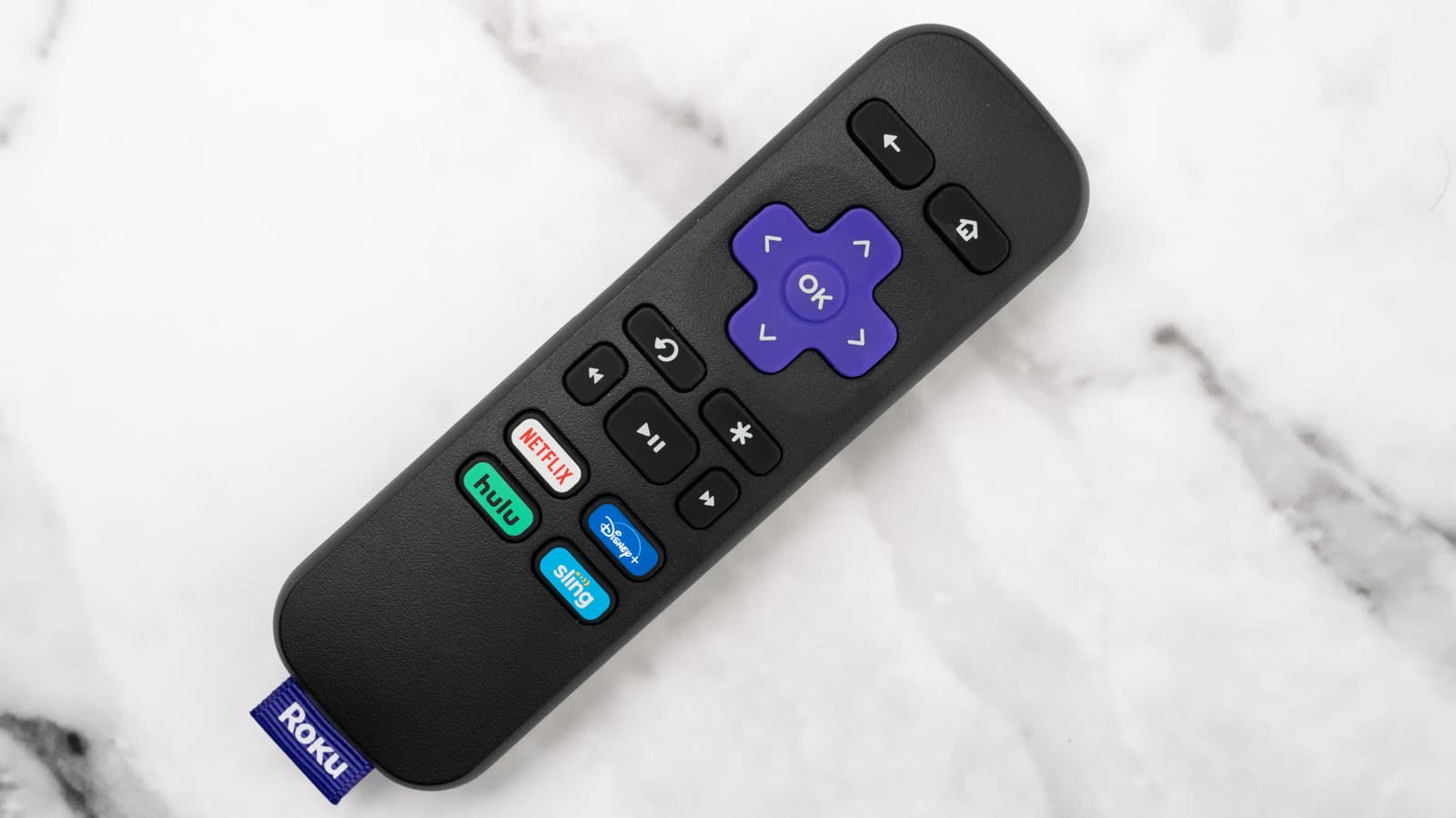
Roku remote owners have long noticed the small purple tags attached to the bottom of their devices. Those tags, often a point of curiosity, serve a specific legal purpose: trademark enforcement. The tags are not decorative or accidental. They function as a visible mark of intellectual property protection.
The Trademark Purpose of the Tags
The tags on Roku remotes are not a design choice. They serve as a trademark notice, similar to the “Roku” logo printed elsewhere on the device. By affixing a removable tag, the company can prove that the remote is a genuine Roku product if legal disputes arise over counterfeiting or unauthorized modifications. The tags are often placed in a visible location so that consumers and inspectors can identify them easily.
Can You Remove the Tags?
Technically, yes. The tags are usually made of a thin plastic or paper material and can be peeled off with a bit of effort. However, doing so may have consequences. Roku’s terms of service and warranty policies often state that tampering with trademark notices voids the warranty. Additionally, removing the tag does not provide any functional benefit; the remote works exactly the same without it. The tags are small and unobtrusive, so most users leave them in place.
Why This Matters
For consumers, the tags represent a subtle but important legal boundary. Removing a trademark tag might seem harmless, but it signals a disregard for intellectual property rights. For Roku, the tags are a low-cost way to protect its brand identity in a market flooded with third-party accessories. As connected TV devices become more common, trademark enforcement on accessories like remotes will likely increase. Understanding the purpose of these tags helps users make informed decisions about modifying their devices without risking warranty coverage or legal exposure.