Editor: Porcia Akua Holmes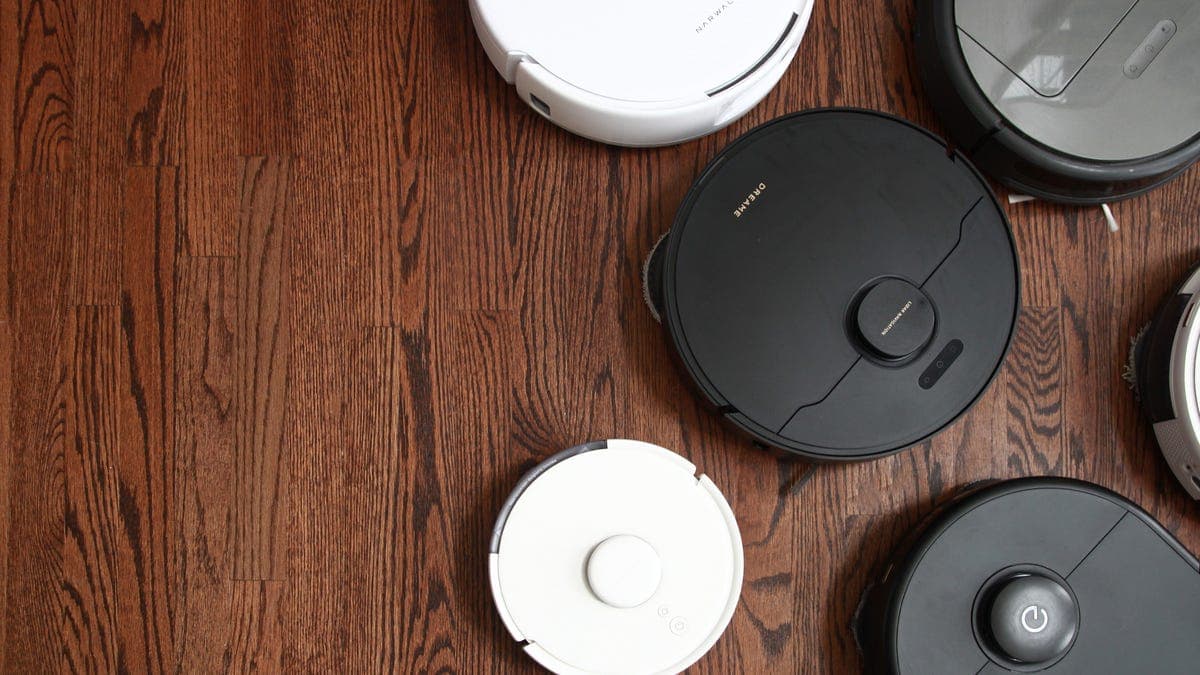
Robot vacuum mops have moved beyond novelty status. After putting more than 50 models through rigorous testing, reviewers from major consumer tech outlets have identified clear leaders that combine strong suction, reliable mopping and smart navigation.
How Testing Revealed the Standouts
Engineers and reviewers spent weeks running each unit across multiple floor types, measuring debris pickup, mopping coverage and battery life. The best performers avoided common pitfalls such as leaving streaks on hardwood or tangling in cords. Expert analysis confirmed that lidar navigation remains the gold standard for mapping accuracy, though a few models now rely on camera-based systems with comparable results.
Key Trends Driving the Category
Manufacturers are pushing toward fully autonomous cleaning cycles. The best units now empty their own dustbins, refill water tanks and wash mop pads without human intervention. This shift reduces hands-on time, making robot vacuum mops a practical solution for busy households. Expert testers note that software improvements, such as better object recognition, have drastically cut down on collisions with pet bowls and charging cables.
Why This Matters
For consumers, the rapid advancement means that a well-chosen robot vacuum mop can replace separate vacuuming and mopping routines. The best models now clean thoroughly enough to handle daily maintenance, freeing up hours each week. The downside is that premium automation comes at a cost, with top-tier devices exceeding $1,000. However, competition from Dreame and others is driving down prices on midrange options, making capable units available for around $500.
The market impact is clear: traditional upright vacuums face growing pressure as more households adopt these multi-function robots. Expert predictions suggest that within two years, most new robot vacuums will include mopping as a standard feature.