Editor: Porcia Akua Holmes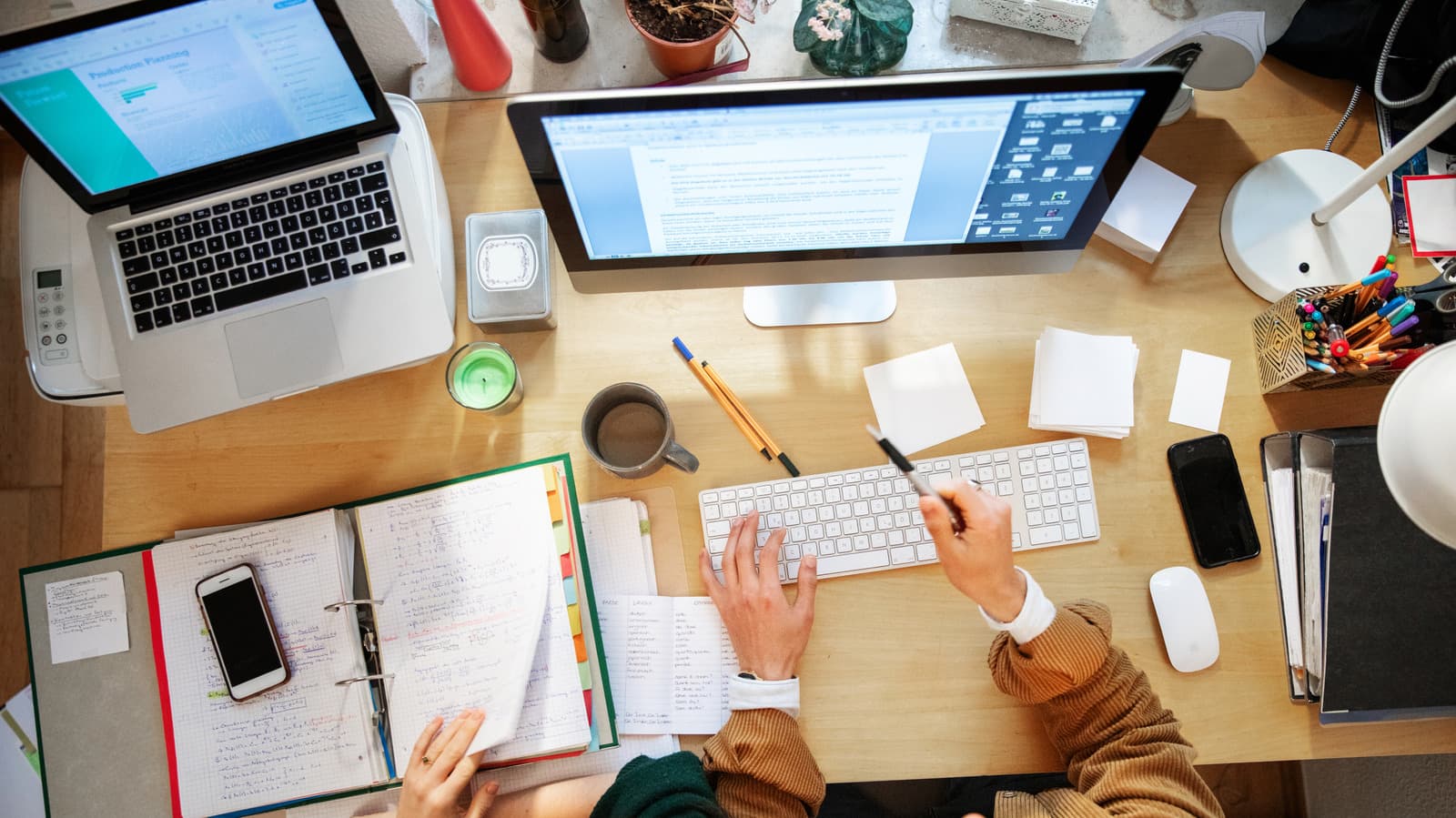
The shift to remote work has brought convenience but also a wave of physical and productivity challenges many workers were unprepared to face. From chronic back pain to video call fatigue, the home office environment often lacks the ergonomic infrastructure of a corporate workplace. A growing awareness of these issues has led to a surge in solutions, but the problem persists for millions.
The Ergonomic Toll of Remote Work
Studies show that more than 40 percent of remote workers report neck or back pain after a year of working from home. The root cause is often a dining table chair or laptop screen placed too low. Over time, poor posture leads to musculoskeletal disorders that can require medical treatment. Beyond physical strain, cognitive productivity suffers when workers constantly adjust their positions or squint at poorly lit screens. This hidden toll represents a growing cost for both employees and employers.
Why This Matters
As companies mandate return-to-office schedules or settle into permanent hybrid models, workers must take ownership of their home setups. The long-term implications extend beyond individual discomfort. Chronic musculoskeletal issues can increase healthcare costs and reduce overall workforce productivity. Employers who ignore these risks may face higher absenteeism and turnover. The market for ergonomic home office gear is expanding rapidly, with sales of standing desks and ergonomic chairs rising. Yet the simplest fixes, such as adjusting screen height or adding a footrest, cost little and offer immediate relief. The guide 'Common Home Office Problems And How To Fix Them Working' underscores that even small changes can make a significant difference in daily comfort and long-term health.
Beyond Gadgets: Behavior and Routine
Hardware alone cannot solve every home office problem. Regular breaks, proper walking posture and a dedicated workspace free from distractions are equally critical. The surge in remote work has normalized the blending of personal and professional space, making discipline essential. Workers who schedule micro-breaks and use posture reminders often report higher energy levels and fewer aches. The convergence of gadget solutions and behavioral adjustments creates the most effective strategy for a sustainable remote work future.