Senior Editor: Alan Agbele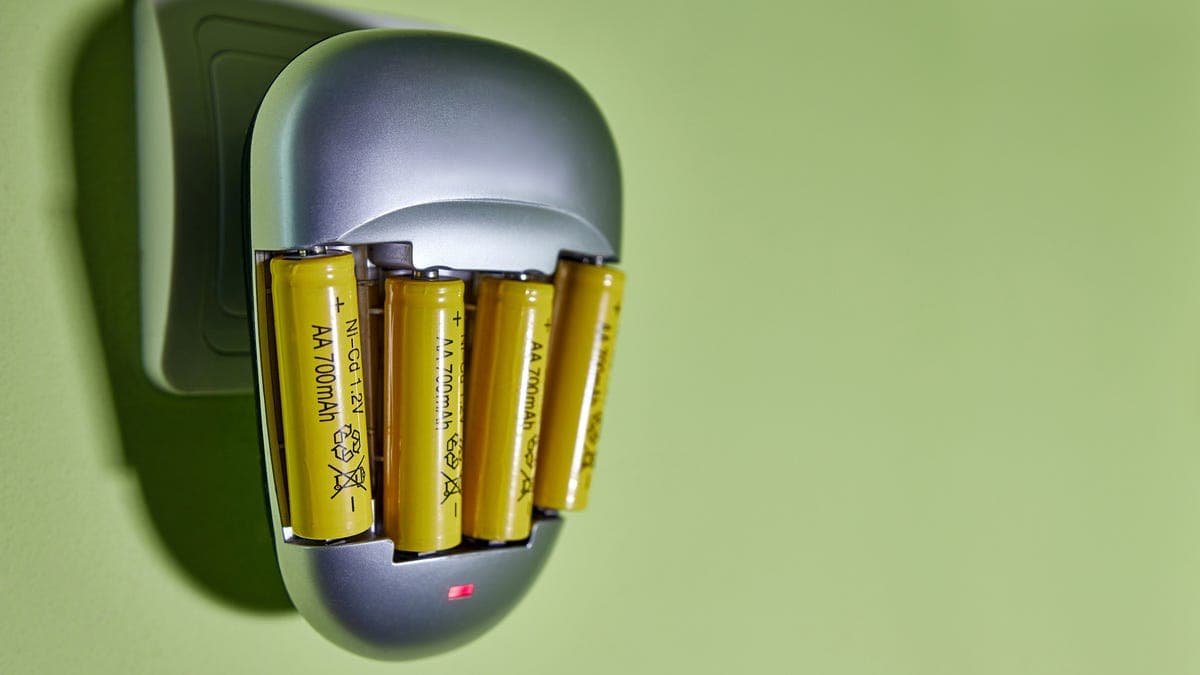
The humble battery is undergoing a quiet revolution. By 2026, rechargeable batteries are expected to account for the majority of consumer battery sales as households and businesses move away from single-use alternatives.
This shift is not accidental. Environmental regulations in Europe and California are tightening rules around disposable battery disposal. At the same time, manufacturers have slashed prices on rechargeable models while boosting capacity and charging speed. A single rechargeable AA battery can now outlast hundreds of disposables, making the upfront cost a clear win over time.
The technology behind the shift
Nickel-metal hydride (NiMH) batteries remain the standard for high-drain devices like cameras and game controllers. These cells now hold more charge and resist self-discharge better than ever. For gadgets like electric toothbrushes and wireless headphones, lithium-ion rechargeable batteries are becoming the default, often built in with USB-C ports for direct charging.
Brands like Eneloop, AmazonBasics and Duracell have led the charge with reliable, long-lasting cells. Newer entrants offer higher capacities and faster recharge cycles, cutting the time needed to bring a dead battery back to life from hours to under 30 minutes in some cases.
Why This Matters
The switch to rechargeable batteries directly reduces the environmental burden of battery waste. Every disposable battery contains heavy metals and chemicals that can leak into soil and water. By replacing them with rechargeables, a typical household can prevent dozens of batteries from entering landfills each year. On top of that, consumers save money over time. A four-pack of rechargeable AA batteries can be recharged hundreds of times, effectively replacing the need to buy new disposables for years.
For businesses and organizations that rely on bulk battery usage, the savings multiply. Cameras, medical devices, remote controls and all portable electronics benefit from the reliability and lower lifetime cost of rechargeable cells.
With charging stations becoming cheaper and faster, and battery technology improving every year, the case for going rechargeable has never been stronger. 2026 marks a tipping point where convenience, cost and conscience all point in the same direction.