Senior Editor: Alan Agbele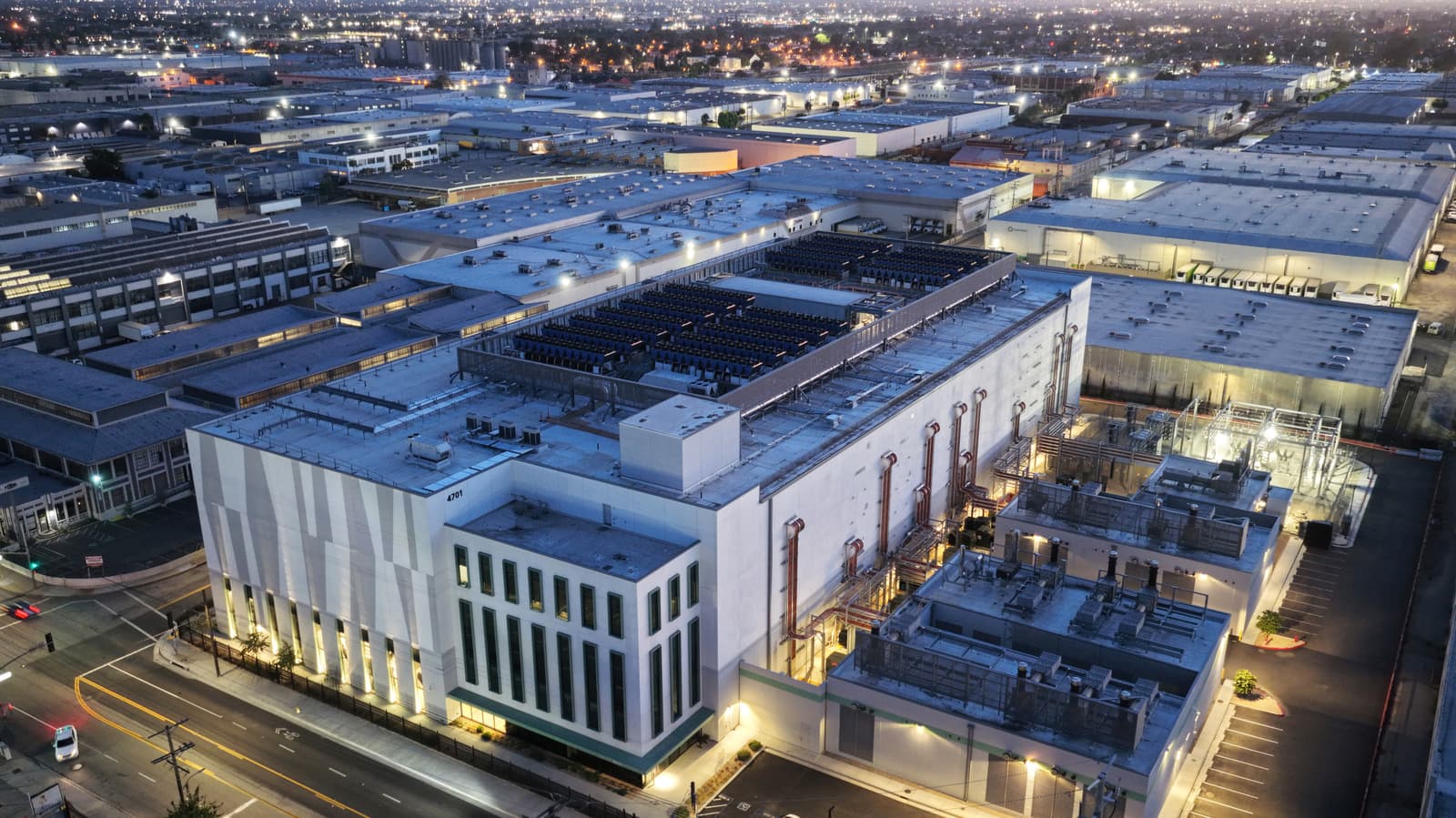
A new survey reveals that most Americans do not want AI data centers built near their homes, with concerns over noise, energy use and property values driving strong local resistance. The findings underscore a growing challenge for tech companies racing to expand infrastructure for artificial intelligence workloads.
Survey Highlights Widespread Opposition
The poll, conducted by a national research firm, found that more than 60% of respondents oppose the construction of large AI data centers in residential or suburban areas. Nearly half said they would actively campaign against such projects in their neighborhoods. The top concerns included increased noise from cooling systems, strain on local power grids and potential drops in home values.
Support for data centers was highest among those who saw economic benefits, such as job creation and tax revenue. But even among that group, a majority wanted facilities built at least several miles from homes.
Why This Matters
The backlash could slow the rollout of AI services that depend on massive computing capacity. For residents, the arrival of a data center means industrial-scale operations in formerly quiet areas. Local governments now face pressure to update zoning laws and environmental review processes. Tech companies may need to invest more in community outreach and site selection to avoid costly delays.
Energy and Environmental Concerns
AI data centers consume enormous amounts of electricity and water. A single facility can use as much power as tens of thousands of homes. In regions already facing water shortages or grid strain, that demand sparks fierce opposition. Environmental groups have joined local NIMBY movements, arguing that new data centers undercut renewable energy goals and raise emissions.
Some communities have started to impose moratoriums on new data center approvals while they study long-term impacts. Others are demanding commitments to carbon neutral operations and water recycling before granting permits.
A Challenge for Big Tech
Companies including Google, Microsoft and Amazon are building data centers at record pace to support generative AI tools and cloud services. The NIMBY sentiment adds a new layer of complexity to their expansion plans. In some cases, firms have shifted proposed sites from residential areas to industrial parks or remote locations. But competition for available land and power is intensifying.
Industry analysts warn that without public support, the pace of AI infrastructure growth could slow, potentially affecting the speed at which new AI products reach consumers. The tension between local resistance and national demand for AI capabilities is unlikely to ease soon.