Editor: Porcia Akua Holmes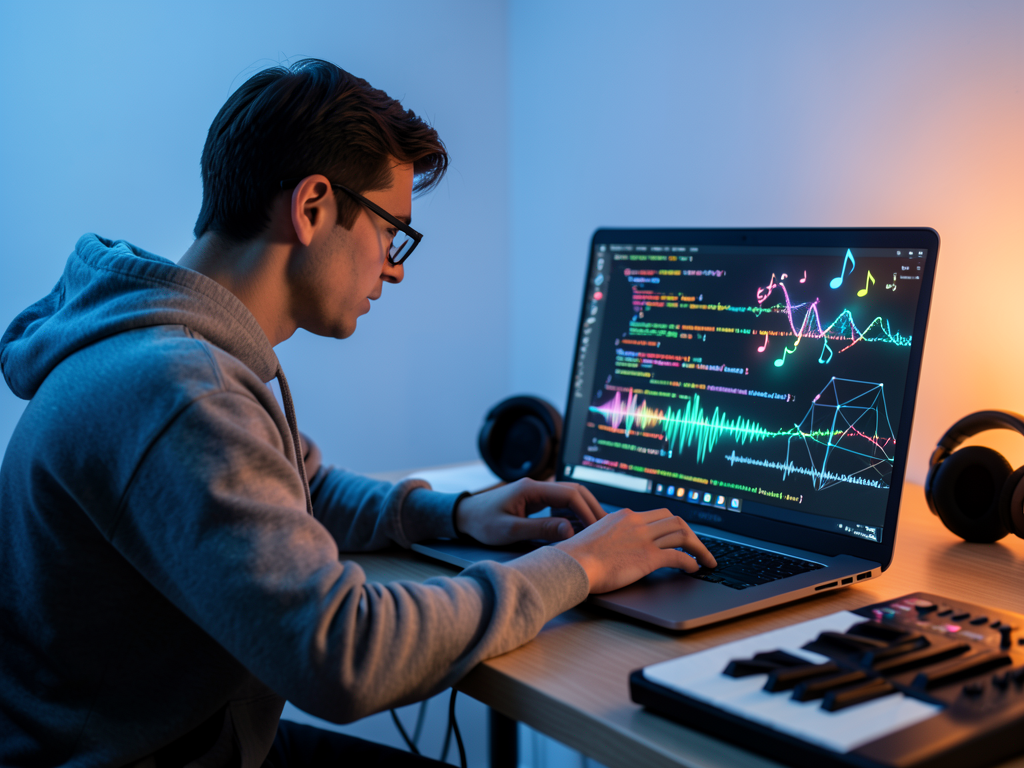
A growing number of software developers are integrating the principles of Music Theory into their workflow, using harmonic concepts to drive generative art, game audio and live coding performances. This cross-disciplinary approach transforms abstract programming logic into expressive, sound-driven applications.
The Intersection of Music and Code
For decades, music and computer science have shared deep roots. Early computer music pioneers like Max Mathews used math and algorithms to synthesize sound. Today, that legacy continues with libraries and environments designed specifically for Music Theory education tailored to Programmers. These tools often replace traditional sheet music with visual or code-based representations, making harmony accessible to those who think in functions and data structures.
Many developers find that understanding music theory improves their ability to create procedural audio, generate dynamic soundtracks and experiment with algorithmic composition. The skills overlap with pattern recognition, modular thinking and system design, all core to programming.
Key Resources for Programmers
Why This Matters
The practical implications for software development are significant. As games, virtual reality and interactive installations demand richer audio, developers who understand music theory can craft more nuanced soundscapes without relying on audio engineers. This skill reduces iteration time and gives programmers greater creative ownership. For the broader tech industry, the fusion of theory and code signals a shift toward more human-centered, sensory-driven applications.
For Programmers themselves, learning music theory opens a new channel for expression. It can also enhance collaboration with musicians and sound designers, making cross-disciplinary projects smoother. In an era where coding is increasingly used for creative ends, music theory provides a structured yet flexible vocabulary for sound.
Building a Shared Vocabulary
The trend is not limited to hobbyists. Companies building music education software or audio tools actively recruit developers with music theory knowledge. The combination of programming rigor and musical literacy is becoming a sought-after differentiator. Online communities, including discussion threads on platforms like Hacker News, frequently debate the best ways to teach Music Theory to Programmers, reflecting sustained interest.
Comments on such forums often highlight the challenge of translating traditional music notation into code-friendly abstractions. Yet many programmers report that once they grasp core concepts like intervals, chords and meter, their ability to experiment with audio expands dramatically. The result is a more holistic approach to software creation.