Senior Editor: Alan Agbele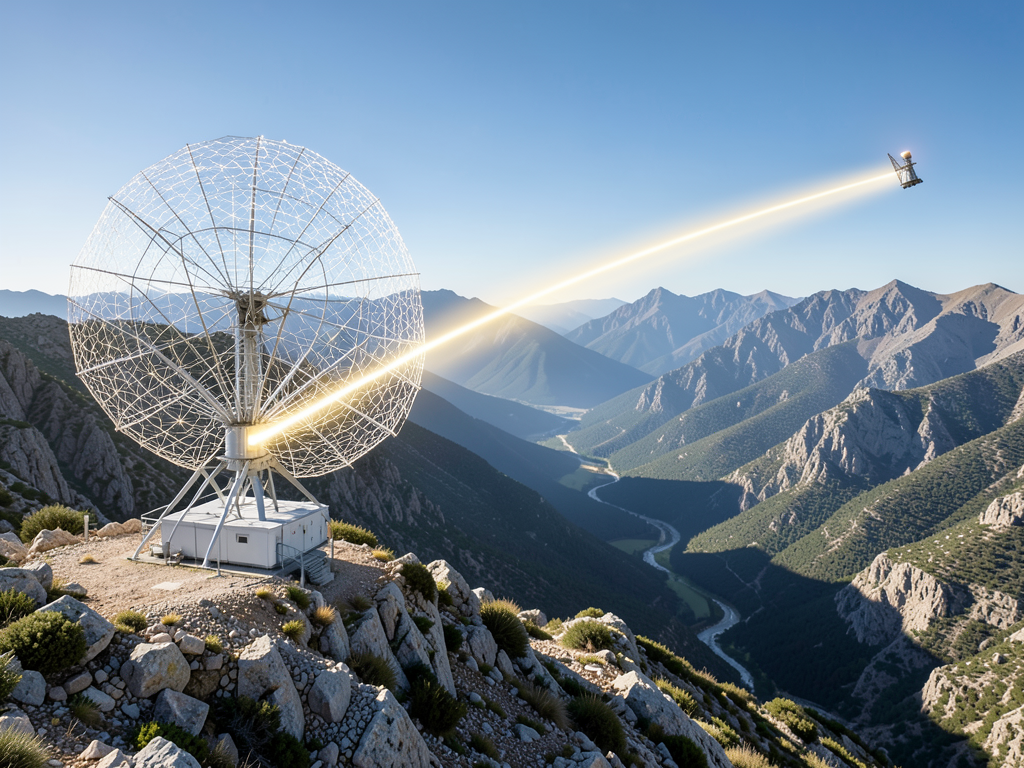
A technology once confined to science fiction is moving toward commercial reality. Engineers have demonstrated the ability to transmit megawatts of electrical power through the air using focused microwave beams, a development that could reshape how energy reaches remote communities, industrial sites and disaster zones.
The Technology Behind Beamed Power
Transmitting power via microwave relies on principles developed decades ago but never applied at scale. The system consists of a transmitter array that converts electricity into microwaves, a focusing mechanism that concentrates the beam, and a rectenna array that captures the energy and converts it back to direct current. The key advance involves phased-array antennas that steer the beam electronically, eliminating mechanical parts and allowing rapid adjustments.
Testing has confirmed the ability to transmit megawatts over distances exceeding one kilometer. The rectenna efficiency has reached levels above 80 percent in controlled trials, making the approach competitive with conventional medium-voltage power lines over certain terrains. This efficiency rate represents a major leap from earlier systems that struggled to reach 50 percent.
Implications for Energy Infrastructure
Delivering megawatts by microwave could bypass some of the most expensive parts of traditional power grids. Mountainous regions, islands and areas with permafrost make stringing cables prohibitively costly. Beamed power offers an alternative that avoids right-of-way disputes and environmental disruption from trenching or pole installation.
Several industries stand to benefit directly. Mining operations far from existing grids could deploy receivers to power heavy equipment. Emergency responders could set up temporary power links after natural disasters destroy transmission lines. Military bases already rely on diesel generators in remote locations; a microwave power link could reduce fuel supply chains significantly.
Why This Matters
This technology changes the economics of electrification for hard-to-reach areas. Every kilometer of conventional transmission line costs hundreds of thousands of dollars to install and maintain. A beamed power system requires only a transmitter and receiver units, with no physical connection between them. For developing regions where grid expansion is slow, microwave power transmission could accelerate access to electricity without the long wait times and heavy capital investment of traditional infrastructure.
Safety concerns remain a primary hurdle. High-power microwave beams pose risks to living tissue and electronic equipment that strays into the path. Engineers have built automatic shutoff systems that cut the beam if an object breaks its line, but regulators will need to establish clear standards before widespread deployment begins. The technology, however, has passed initial safety reviews in test environments.
The Path Forward
Commercial pilot projects are expected within the next two years, with early deployments likely serving industrial customers who can justify the premium for wireless power. As manufacturing scales, costs will drop and smaller applications may emerge. The core components — microwave generators and rectennas — use materials already produced at scale for communications and defense industries, which should help speed adoption.
The ability to transmit megawatts by microwave represents a genuine shift in how energy can be moved. It does not replace the power grid but extends its reach to places the grid cannot easily go. For those living far from transmission lines, the arrival of beamed power may come sooner than expected.