Editor: Porcia Akua Holmes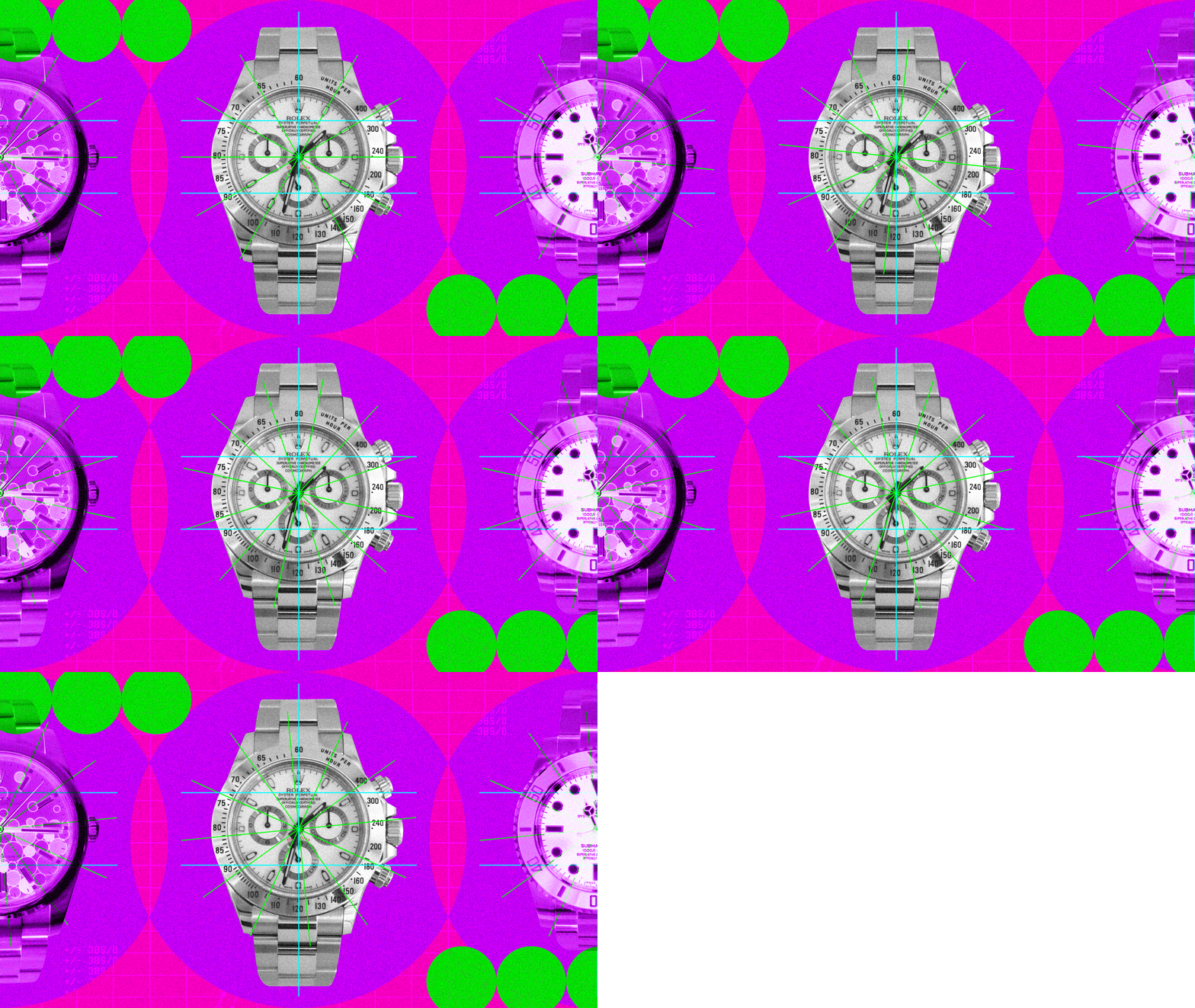
The replica watch industry has entered what enthusiasts call the super clone era. A recent test revealed that a $500 counterfeit Rolex was so convincing it fooled even the watchmaker's own verification process. The finding underscores a growing challenge for luxury brands as counterfeiters close the quality gap.
The Super Clone Phenomenon
The term super clone describes a new tier of counterfeit watches that go beyond simple cosmetic copying. These replicas use genuine Swiss movements or high-grade Chinese clones, correct case dimensions and even accurate engravings. Forums dedicated to replica watches now share guides on how to source pieces that require expert disassembly to distinguish from originals. The $500 Rolex tested was purchased from one such online network after extensive vetting of sellers.
How Rolex Was Fooled
The test involved sending the replica to an independent watchmaker and then to a Rolex service center for evaluation. Neither party flagged it as counterfeit during initial inspection. Only after removing the caseback and examining the movement markings did the fake become apparent. Rolex declined to comment on the specific case but confirmed it actively combats counterfeiting through serial number tracking and holographic seals. The incident, however, shows that even official channels can be deceived.
Why This Matters
For consumers, the rise of super clones makes buying pre-owned luxury watches riskier. A watch that looks and feels authentic may still be a sophisticated fake worth only a fraction of the asking price. For Rolex and other premium brands, the reputational and financial damage is significant: every super clone sold at near-retail prices undermines trust in the secondary market. Authentication may need to evolve beyond visual checks to include micro-engraving, blockchain certificates or material spectroscopy. This trend also pressures law enforcement to target the supply chain rather than just street-level sellers, as these replicas often originate from factories in China that are hard to dismantle.
The $500 Rolex that escaped detection is a warning. As counterfeiting technology improves, the line between real and replica continues to blur, forcing the entire luxury watch ecosystem to adapt.