Editor: Porcia Akua Holmes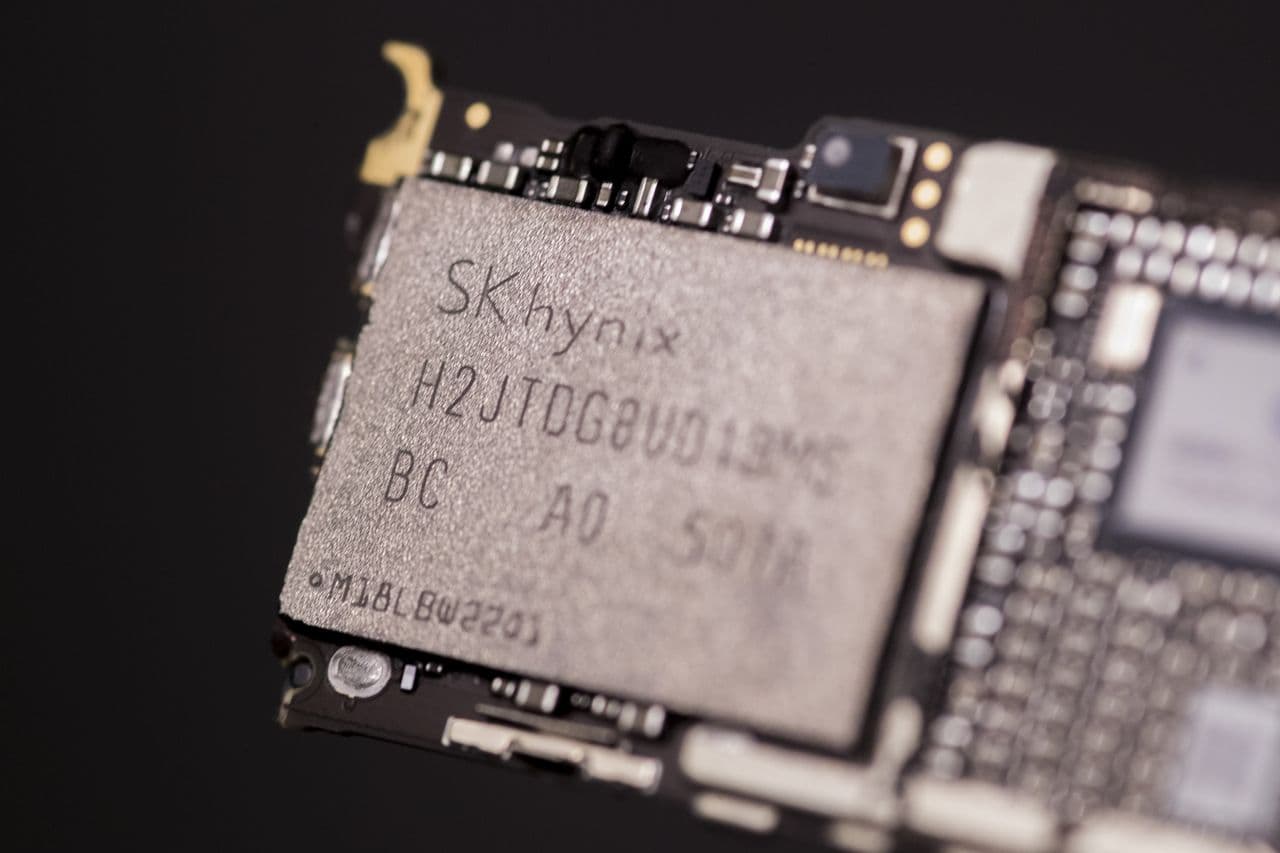
Apple faces a supply chain bottleneck ahead of its iPhone 18 launch with roughly $1 billion in processor wafers reportedly waiting for DRAM packaging. Analyst Tim Culpan reports the company is scrambling for memory chips to finalize its next-generation A20 Pro and C2 processors.
Inside the DRAM Bottleneck
The shortage goes beyond raw chip supply. Apple uses an advanced packaging method called Wafer-Level Multi-Chip Module (WMCM) developed by TSMC, which joins processor wafers with DRAM chips in a single package. With memory suppliers already committed to other buyers, Apple finds itself competing for limited DRAM allocation. According to Culpan, Micron has sold capacity for both standard DRAM and high-bandwidth memory through 2027, leaving little room for last-minute orders.
TSMC's Advanced Packaging Role
TSMC's N2 process marks a major leap in chip manufacturing, using extreme ultraviolet (EUV) lithography to shrink transistors. However, the bottleneck lies in packaging rather than fabrication. TSMC's WMCM technology is similar to CoWoS but designed for mobile chips, and it requires careful alignment between processor wafers and DRAM. Culpan notes that TSMC holds roughly $1 billion worth of Apple wafers on the shelves, waiting for the memory to arrive before final packaging can proceed.
Why This Matters
The DRAM shortage exposes a growing vulnerability for Apple as it integrates more components into custom silicon. Any delay in packaging could ripple into iPhone 18 Pro launch volumes, especially as the company targets 200 million units over the device's lifetime. The scramble also highlights geopolitical tension: Apple is lobbying the U.S. government to allow DRAM purchases from CXMT, a company that faces potential export restrictions. If Apple cannot secure enough memory from Micron, the alternative source may become critical. Meanwhile, China's own efforts to develop EUV lithography tools signal a long-term push for semiconductor self-sufficiency, which could reshape supply dynamics.
Market and Consumer Impact
Apple and its assemblers remain confident they can meet initial demand, but the limited DRAM supply may constrain production in later quarters. The iPhone 17 line saw record shipments of over 245 million units in 2025, setting a high bar for the iPhone 18. Consumers may face tighter availability of certain models if the shortage persists. The broader industry is also watching: if Apple, one of the world's largest chip buyers, struggles to secure DRAM, other smartphone makers could face similar challenges.