Senior Editor: Alan Agbele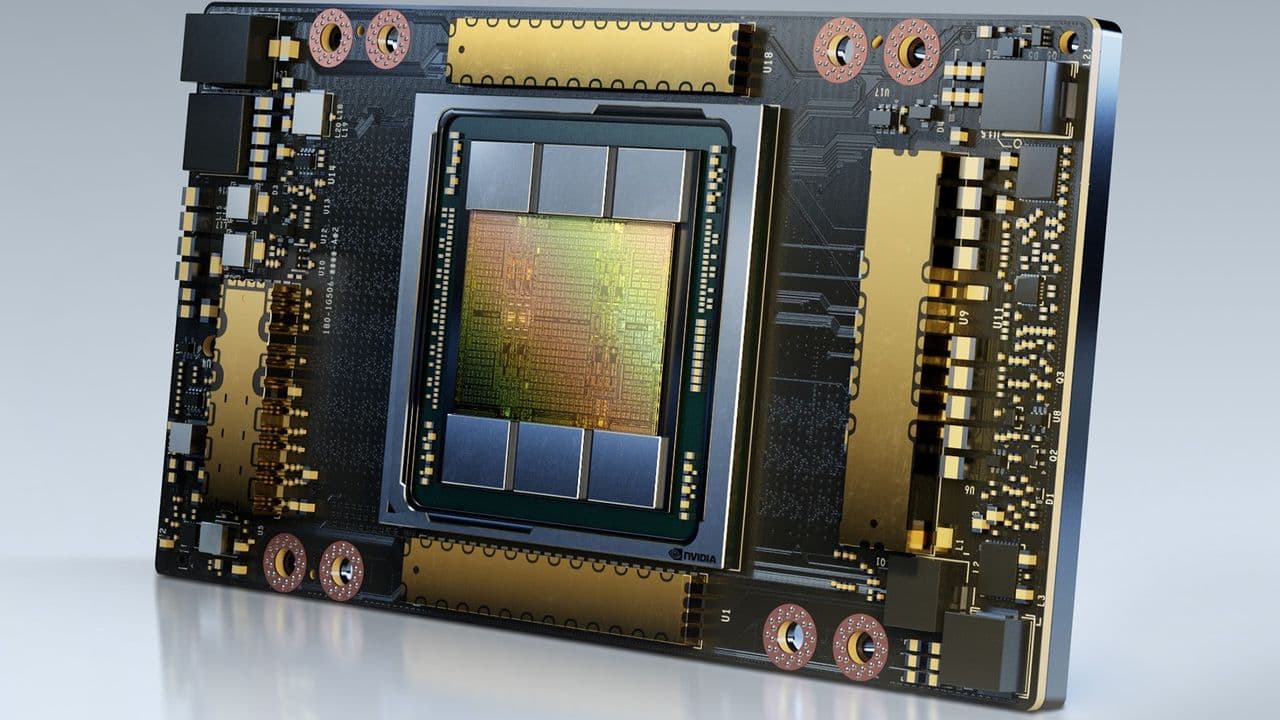
CoreWeave has signed contracts for Nvidia's A100 GPUs that run through 2029, nine years after the Ampere-based chips debuted. CEO Mike Intrator disclosed the deals on the company's second-quarter earnings call Monday, reporting $2.58 billion in quarterly revenue, up 112% year over year, and a $104 billion revenue backlog that excludes more than $25 billion in new commitments since July.
The Economics of Aging AI GPUs
Intrator said on the call that pricing for Nvidia's older GPU generations is at or above where it was years ago. That counters warnings from investors like Michael Burry, who accused hyperscalers of understating depreciation by $176 billion through stretched useful-life assumptions. Burry argued that a chip cadence delivering new Nvidia architectures roughly every year makes five- to six-year GPU lives unrealistic.
CoreWeave's financial results, however, suggest a different reality. The company's contracted power grew to 3.7 GW in Q2 and stood at 4.2 GW as of Monday, against just 1.5 GW online. Customer commitments already cover nearly triple the capacity the company can deliver. CFO Nitin Agrawal added that capacity coming up for renewal represents a very limited share of CoreWeave's fleet, with older-generation ASPs steady or higher.
Why Blackwell Cannot Replace Ampere
The physical limitations of data center infrastructure explain much of the A100's continued profitability. An air-cooled Nvidia DGX A100 system draws 6.5kW at maximum load and fits comfortably in legacy data center halls designed for roughly 20kW per rack. Nvidia's current GB200 and GB300 NVL72 racks draw 120kW to 140kW and require direct-to-chip liquid cooling, roughly six times what older facilities can feed and cool.
Blackwell cannot move into the halls where Ampere is currently deployed without a rebuild of power delivery and cooling infrastructure. That mismatch is keeping A100 fleets in service. The energized, air-cooled capacity holding them has no higher-value use, and renting nine-year-old GPUs beats leaving it dark.
Why This Matters
CoreWeave's A100 deals through 2029 have broad implications for AI hardware economics. They challenge the assumption that GPU value drops sharply with each new architecture and suggest that legacy infrastructure will sustain older silicon for years. For hyperscalers, this offers a path to extend return on investment on previous-generation purchases, especially when new hardware demands costly facility upgrades. Cloud customers may see continued availability of older GPU tiers at stable prices, while Nvidia benefits from a dual market: cutting-edge Blackwell systems for modern facilities and Ampere chips for older ones.
Intrator told CNBC that a batch of H100s coming off an expired contract was immediately rebooked at 95% of the original price. Nvidia CFO Colette Kress countered Burry directly, saying A100s sold six years ago still run at full utilization. The 2029 deal stretches that record further, putting contracted revenue on 2020 silicon beyond even the six-year depreciation schedules defended by hyperscalers.